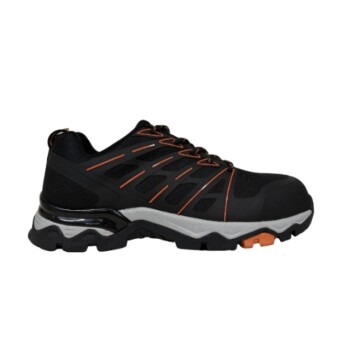
Safety shoes provide three critical protective functions during high-risk rigging tasks: high-traction grip for unstable surfaces, wear-resistance against steel cable friction, and structural armor against impact or punctures. These specialized features ensure that personnel remain stable while navigating narrow beam tops and are shielded from the extreme mechanical forces inherent in heavy lifting operations.
Core Takeaway: Beyond basic foot coverage, industrial safety shoes serve as engineered stabilization platforms that mitigate the specific environmental and mechanical risks—such as slips on beam tops and rope abrasion—found during structural beam maneuvers.
Ensuring Stability on Unstable Surfaces
High-Grip Outsoles for Narrow Footing
Releasing slings often requires workers to maintain balance on unstable beam tops or within extremely confined spaces. Safety shoes utilize specialized rubber compounds and tread patterns to provide high-grip properties, preventing catastrophic slips during the precise moment of operation.
Maintaining Balance During Load Shifting
The act of releasing a sling can cause subtle shifts in weight or vibrations through the structural steel. The slip-resistant construction of the outsole ensures that the worker’s center of gravity remains secure even when the footing surface is narrow or slick.
Resistance to Mechanical Hazards
Protection Against Steel Wire Rope Friction
During rigging, footwear frequently comes into contact with steel wire ropes that can cause intense friction and heat. The use of wear-resistant materials in the shoe’s construction allows the footwear to withstand this abrasion, providing a reliable and durable platform for dangerous maneuvers.
Anti-Smashing and Impact Defense
Structural beams and rigging hardware are high-mass objects that pose a constant crushing risk. Industrial-grade safety shoes incorporate anti-smashing toe caps that serve as a physical barrier, protecting the foot from severe crushing injuries if equipment or slings shift unexpectedly.
Puncture Resistance on Complex Surfaces
Construction environments are often littered with metal shards, glass, or discarded fasteners. Safety shoes feature anti-puncture midsoles that prevent sharp objects from penetrating the sole, ensuring foot health is maintained while navigating complex ground or beam surfaces.
Understanding the Trade-offs and Limitations
Weight vs. Maneuverability
The heavy-duty materials required for impact and puncture resistance inevitably add weight to the footwear. While this provides superior protection, it can increase fatigue during long shifts, which may indirectly affect a worker’s coordination on high-risk surfaces.
Grip Degradation and Maintenance
The high-friction outsoles that provide superior slip resistance are subject to wear over time, especially when used on abrasive steel surfaces. Workers must regularly inspect their tread depth, as a worn sole loses its primary protective advantage on unstable beam tops.
Rigidity and Tactile Feedback
The stiff construction necessary for foot protection can sometimes reduce the "feel" of the surface beneath the foot. This loss of tactile feedback requires workers to rely more heavily on visual placement when navigating narrow structural members.
Choosing the Right Protection for Your Environment
When selecting footwear for structural rigging and beam work, the specific hazards of the site should dictate the technical specifications of the shoe.
- If your primary focus is working on narrow structural beams: Prioritize outsoles with certified high-traction ratings and uppers made of friction-resistant materials to handle wire rope contact.
- If your primary focus is handling heavy rigging hardware on the ground: Focus on maximum impact (anti-smashing) ratings and puncture-resistant soles to protect against dropped loads and sharp debris.
- If your primary focus is working around petroleum derivatives or hazardous fluids: Ensure the footwear is constructed from chemical-resistant materials to prevent skin absorption of toxic substances.
By matching the specific protective properties of safety footwear to the mechanical risks of the task, you transform a basic piece of equipment into a vital tool for survival in high-risk environments.
Summary Table:
| Protective Feature | High-Risk Task Benefit | Material/Technology |
|---|---|---|
| High-Grip Outsole | Prevents slips on narrow beam tops & unstable surfaces | Specialized rubber & deep tread patterns |
| Anti-Smashing Cap | Shields feet from crushing by falling beams or hardware | Steel or composite toe reinforcements |
| Anti-Puncture Midsole | Blocks sharp debris & metal shards on construction sites | High-strength steel or Kevlar layers |
| Wear-Resistance | Withstands friction from steel wire ropes & rigging gear | Abrasion-resistant uppers and reinforced soles |
Elevate Your Fleet’s Safety Standards with 3515
As a large-scale manufacturer serving distributors and brand owners worldwide, 3515 offers comprehensive production capabilities for all footwear types. Our flagship Safety Shoes series is specifically engineered to provide the grip, durability, and impact protection required for high-risk structural tasks.
Our extensive portfolio covers:
- Industrial & Safety Boots: Built for anti-smashing and puncture resistance.
- Tactical & Work Boots: Optimized for stability and harsh environments.
- Outdoor, Training, & Sneakers: Versatile designs for diverse bulk requirements.
- Dress & Formal Shoes: Professional footwear without compromising on quality.
Partner with a manufacturer that understands the mechanical risks of your industry. Contact us today to discuss your bulk manufacturing needs and let us deliver the reliability your brand deserves.
References
- Bayu Aninditya, Fitri Suryani. Implementation of the Hazard Identification, Risk Assessment and Risk Control (HIRARC) Method on Erection Girder Work of South Japek II Toll Road Construction Project Package 3. DOI: 10.58631/injurity.v2i9.127
This article is also based on technical information from 3515 Knowledge Base .
Related Products
- Premium Suede Sport Safety Shoes for Wholesale & Bulk Orders
- Premium Lightweight Safety Shoes for Wholesale & Bulk Orders
- Wholesale Anti-Smash & Puncture-Proof Safety Shoes Custom Manufacturing for Brands
- Premium KPU Injection Athletic Style Safety Shoes
- Premium Safety Shoes with Rotating Buckle Safety Sneakers
People Also Ask
- What industries have specific OSHA footwear requirements? Ensure Compliance & Protect Your Workforce
- What are the primary functions of professional safety shoes? Maximize Safety in Water Supply Confined Spaces
- What role do specialized safety shoes play in preventing falls? Engineering Stability in Industrial Environments
- How does professional industrial cleaning equipment maintain the performance stability of safety shoes? Pro Maintenance
- Why is barefoot walking used as a baseline in gait safety research? Unlocking Natural Biomechanics for Shoe Design