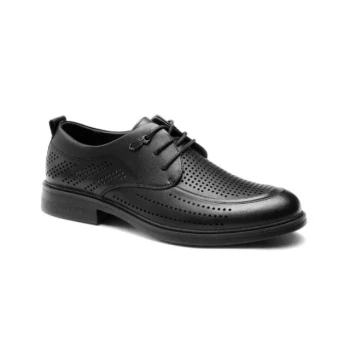
The fundamental role of seamless and non-binding construction is to preserve vascular health and skin integrity within the foot. By eliminating constrictive elastic fibers at the shoe's opening, non-binding designs prevent the compression of lower limb circulation. Simultaneously, seamless interiors remove the primary sources of friction and pressure, acting as a soft buffer that significantly reduces the risk of skin breakage and subsequent infection.
The core value of this specialized construction is preventative care. It transforms the shoe from a potential source of abrasion and constriction into a protective environment that maintains blood flow and prevents friction-induced wounds.
The Mechanics of Non-Binding Construction
Eliminating Vascular Compression
Standard footwear often utilizes strong elastic fibers at the collar (opening) to secure the shoe to the foot.
Non-binding construction removes these constrictive elements entirely. This ensures that the shoe does not squeeze the lower ankle or leg, allowing for unimpeded blood circulation to reach the foot.
Accommodating Swelling
Because the opening lacks rigid elastic tension, the footwear can better accommodate fluctuations in foot volume.
This is critical for users who experience edema or swelling, as the shoe adapts without creating a "tourniquet effect" that would restrict fluid movement.
The Science of Seamless Design
Removing Internal Friction Sources
Traditional shoe construction involves stitching fabric panels together, creating ridges and seams inside the shoe.
Seamless construction eliminates these internal irregularities. By removing these "pressure points," the design removes the physical triggers that typically cause blisters or hot spots on the skin.
Creating a Protective Buffer
The interior of a seamless shoe functions as a soft, continuous interface between the foot and the outer structure of the shoe.
This layer acts as a protective buffer, absorbing shear forces rather than transferring them to the skin.
The Critical Outcome: Infection Prevention
Stopping the Cycle of Skin Breakage
Skin breakage is rarely spontaneous; it is usually the result of repetitive minor friction.
By removing the mechanical source of this friction (seams), the structural design prevents the initial abrasion from occurring in the first place.
Mitigating Infection Risk
For individuals requiring specialized footwear, a minor cut or blister can rapidly escalate into a serious health issue.
The primary protective performance metric of these shoes is their ability to stop skin breakage. By maintaining intact skin, the footwear blocks the entry path for bacteria, significantly reducing the risk of subsequent infections.
Understanding the Trade-offs
Potential Stability Issues
While non-binding openings are excellent for circulation, they offer less mechanical "lock" than elasticized collars.
Users with severe balance issues or narrow heels may find that non-binding shoes feel looser around the ankle, requiring careful sizing to ensure the foot remains stable.
Structural Durability
Seams often provide structural reinforcement to a shoe's upper.
Seamless designs rely on advanced knitting or bonding technologies. While comfortable, these materials must be high-quality to maintain their shape over time without the skeletal support of traditional stitching.
Making the Right Choice for Your Goal
When selecting specialized footwear, prioritize features based on your specific medical or comfort needs.
- If your primary focus is Circulatory Health: Prioritize non-binding construction to ensure blood flow to the lower limbs is never restricted by the shoe's opening.
- If your primary focus is Wound Prevention: Prioritize seamless interiors to eliminate pressure points and reduce the risk of friction-induced skin breakage.
The ultimate goal of this technology is to provide a protective environment where the shoe creates zero negative impact on the foot's biology.
Summary Table:
| Feature | Primary Mechanism | Key Health Benefit |
|---|---|---|
| Non-Binding Construction | Eliminates elastic fibers at the collar | Prevents vascular compression & accommodates swelling |
| Seamless Interior | Removes internal ridges and stitching | Eliminates pressure points & prevents blisters/abrasions |
| Protective Buffering | Soft, continuous internal interface | Absorbs shear forces to protect skin integrity |
| Infection Prevention | Maintains intact skin barrier | Blocks bacteria entry by stopping friction-induced wounds |
Partner with 3515 for High-Performance Protective Footwear Solutions
As a large-scale manufacturer serving distributors and brand owners worldwide, 3515 leverages advanced bonding and knitting technologies to deliver superior seamless and non-binding footwear. Our comprehensive production capabilities ensure that your inventory meets the highest standards of vascular health and wound prevention.
Whether you are looking for our flagship Safety Shoes or need bulk supplies of tactical boots, outdoor shoes, or dress footwear, we provide the technical expertise to enhance your brand's value. Contact us today to discuss your manufacturing requirements and discover how our specialized footwear can protect your customers' health while boosting your market competitiveness.
References
- Nourah Yousef A Al-Harbi, Zainab H. Almohammed. Awareness of Foot Care among Diabetic Patients in Eastern Province, Saudi Arabia: A Cross-Sectional Study. DOI: 10.36348/sjm.2023.v08i09.009
This article is also based on technical information from 3515 Knowledge Base .
Related Products
- Wholesale Breathable Training Shoes Custom Athletic Footwear Manufacturer
- Durable Leather Work Boots Wholesale Manufacturer & Custom Factory
- Lightweight Breathable Training Shoes for Wholesale & Custom OEM Manufacturing
- Wholesale Breathable Athletic Sneakers - Custom Lightweight Cushioned Footwear Manufacturer
- Durable Leather Tactical Boots Wholesale & Custom Manufacturing for Brands
People Also Ask
- Why are the slip-resistance and stability performance of training shoes critical in gait analysis? Ensure Data Accuracy
- Why are professional-grade training shoes essential for physical therapy? Ensure Patient Safety and Gait Stability
- What is the primary role of specialized training or orthopedic shoes? Enhance Safety in Elderly Balance Training
- Why is sole stiffness testing using a force gauge necessary? Build Superior Training Shoes with Precision
- Why is specialized athletic footwear necessary for ankle rehab? Unlock Safety and Stability in Recovery