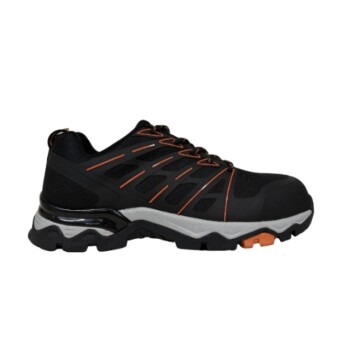
Professional-grade safety shoes utilize a multi-layered defense system to shield welders from the extreme rigors of heavy industry. By integrating reinforced anti-smash toe caps, puncture-resistant midsoles, and specialized slip-resistant outsoles, these boots create a comprehensive physical barrier against falling objects, sharp metal scraps, and hazardous terrain.
True protection in welding environments is not just about shielding against impact; it requires a holistic system that combines physical defense with electrical insulation and ergonomic support to ensure both immediate safety and long-term health.
The Physical Defense Layer
Protecting Against Crushing Forces
In heavy industrial settings like shipyards, workers constantly handle massive steel plates and heavy tools. Professional footwear addresses this risk with reinforced safety toe caps, often referred to as anti-smash technology. This hard barrier ensures that accidental drops do not result in catastrophic crushing injuries to the toes.
Preventing Puncture Wounds
Welding zones are frequently littered with sharp debris, including metal scraps and cut-offs. To counter this, safety shoes are equipped with puncture-resistant midsoles. These rigid layers stop sharp objects from piercing through the bottom of the sole and injuring the foot.
Navigating Hazardous Environments
Ensuring Stability on Slick Surfaces
Welders often operate on surfaces that are wet, oily, or otherwise compromised. Slip-resistant outsoles provide critical traction control in these scenarios. This stability is essential for welders who must maintain precise, static postures on slippery floors without losing their footing.
Mitigating Electrical Risks
Hull construction zones and fabrication shops are electrically complex environments. High-quality safety shoes frequently incorporate electrical insulation properties. This feature significantly reduces the risk of electric shock, adding a critical layer of safety in wet or electrically active zones.
Ergonomics and Fatigue Management
Reducing Skeletal Stress
Welders frequently endure prolonged periods of standing or operating machinery like sewing pedals. Professional boots utilize ergonomic sole structures and arch support to redistribute weight. This effectively alleviates pressure on the lower limbs and the lower back.
Absorbing Impact Energy
Rigid floors in industrial environments can cause cumulative stress injuries over time. Superior shock absorption properties in the footwear reduce stress transmission through the body. This acts as a vital component of a labor protection system, complementing other factory ergonomic modifications.
Understanding the Trade-offs
Weight Versus Agility
The comprehensive protection provided by steel toes and puncture-resistant plates adds significant weight to the footwear. While this maximizes safety against heavy impacts, it can lead to increased leg fatigue toward the end of a long shift compared to lighter, less protective options.
Rigidity Versus Mobility
To prevent punctures, the soles of professional safety shoes must be inherently stiff. This rigidity can sometimes compromise the natural flexion of the foot. Workers may find tasks requiring high mobility, such as crouching or climbing ladders, slightly more difficult due to this stiffness.
Making the Right Choice for Your Environment
Select your footwear based on the specific hazards present in your daily workflow.
- If your primary focus is heavy fabrication or shipyards: Prioritize boots with maximum anti-smash ratings and puncture-resistant midsoles to counter falling steel and sharp scrap.
- If your primary focus is stationary assembly or precision welding: Prioritize ergonomic support and shock absorption to prevent long-term back and joint issues caused by standing.
Comprehensive safety is achieved when your footwear selection aligns perfectly with the specific physical and environmental demands of your workspace.
Summary Table:
| Protection Feature | Technical Benefit | Industrial Application |
|---|---|---|
| Reinforced Toe Caps | Anti-smash/Crush protection | Shipyards & Heavy Fabrication |
| Puncture-Resistant Midsole | Prevents sharp object penetration | Metal scrap & debris zones |
| Slip-Resistant Outsole | Traction on oily/wet surfaces | Assembly lines & shop floors |
| Electrical Insulation | Reduces risk of electric shock | Hull construction & wet zones |
| Ergonomic Support | Fatigue reduction & weight distribution | Long-shift stationary welding |
Elevate Your Fleet’s Safety with 3515 Footwear Solutions
As a premier large-scale manufacturer serving global distributors and brand owners, 3515 delivers high-performance protective footwear tailored for heavy industry. Our flagship Safety Shoes series provides the ultimate multi-layered defense system required for hazardous welding environments.
By partnering with us, you gain access to our comprehensive production capabilities across all footwear types—from rugged work and tactical boots to outdoor shoes, sneakers, and formal dress shoes. Whether you are fulfilling bulk requirements for shipyards or specialized branding for safety retailers, our expertise ensures your customers receive top-tier durability and ergonomic comfort.
Ready to secure your supply chain with industry-leading safety footwear?
Contact our expert team today to discuss your bulk requirements.
References
- Guangming Li, Xiaodong Tan. Risk for lung-related diseases associated with welding fumes in an occupational population: Evidence from a Cox model. DOI: 10.3389/fpubh.2022.990547
This article is also based on technical information from 3515 Knowledge Base .
Related Products
- Premium Suede Sport Safety Shoes for Wholesale & Bulk Orders
- Premium Lightweight Safety Shoes for Wholesale & Bulk Orders
- Wholesale Anti-Smash & Puncture-Proof Safety Shoes Custom Manufacturing for Brands
- Premium KPU Injection Athletic Style Safety Shoes
- Premium Safety Shoes with Rotating Buckle Safety Sneakers
People Also Ask
- What industries have specific OSHA footwear requirements? Ensure Compliance & Protect Your Workforce
- What are the primary functions of professional safety shoes? Maximize Safety in Water Supply Confined Spaces
- What role do specialized safety shoes play in preventing falls? Engineering Stability in Industrial Environments
- How Specialized Footwear Impacts Side-Cutting Performance and Injury Risk Assessment
- How do complex outsole tread designs in safety shoes work with coated floors? Master Slip Resistance Engineering