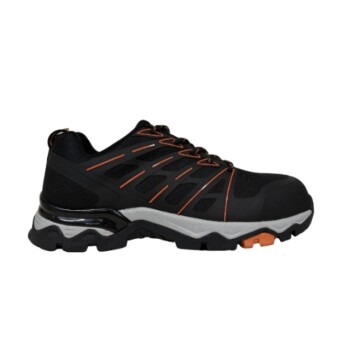
Professional safety shoes serve as the primary defensive barrier during the concrete transportation and pouring process, acting as a critical interface between the worker and a hazardous environment. They provide essential foot protection by stabilizing workers on slippery, wet concrete surfaces while shielding them from impact injuries caused by heavy handling equipment and materials.
Core Takeaway By combining high-grip outsoles with impact-resistant features, professional safety shoes mitigate the two most prevalent risks in concrete work: slipping on complex terrain and crushing injuries from falling loads. This protection is fundamental to maintaining worker stability and preventing project delays caused by preventable accidents.
Navigating Complex and Slippery Terrain
The Critical Role of Traction
Concrete pouring inherently creates wet, slick surfaces that pose immediate fall risks. Professional safety shoes address this through high-grip outsoles designed specifically for industrial environments.
These specialized soles provide the friction necessary to traverse wet concrete without losing footing. This reduces the frequency of slips, which are among the most common causes of workplace injury in this sector.
Stabilizing Center of Gravity
During the manual handling of raw materials, such as aggregates or cement bags, a worker's balance is constantly compromised. The structural integrity of professional footwear ensures the stability of the worker's center of gravity.
By providing a firm platform, these shoes allow workers to carry heavy loads safely. This stability prevents erratic movements that could lead to muscle strain or falls.
Defense Against Mechanical Hazards
Impact Resistance
The transportation of concrete involves heavy machinery and dense materials. Reinforced protective toe caps, often made of steel or composite materials, are essential components of these shoes.
They serve as a hard shell against crushing forces. If a heavy object or equipment part falls, the toe cap absorbs the impact, preventing severe fractures or tissue damage.
Puncture Prevention
Concrete sites are frequently littered with sharp debris, such as rebar, nails, or wire mesh used for reinforcement. Standard footwear cannot protect against these ground-level threats.
Professional safety shoes feature puncture-resistant midsoles. These layers prevent sharp objects from piercing through the sole and injuring the foot, a common hazard during site preparation and pouring.
Shielding Against Environmental Aggressors
A Physical Barrier Against Abrasives
Raw concrete materials are not just heavy; they are chemically alkaline and highly abrasive. Prolonged exposure can damage skin and soft tissue.
Safety shoes serve as a complete physical barrier. They prevent direct contact with harsh alkalis found in cement, protecting the worker from chemical burns and dermatitis.
Understanding the Trade-offs
Weight vs. Fatigue
While maximum protection is desirable, features like steel toes and puncture plates add significant weight to the shoe. Heavier footwear can lead to increased fatigue over long shifts, potentially affecting agility and reaction times.
Maintenance and Grip Integrity
The effectiveness of a high-grip outsole is dependent on its condition. Concrete slurry can harden in the treads, rendering the anti-slip features useless.
Regular cleaning is non-negotiable. Without removing dried concrete from the soles, the shoe loses its primary safety advantage, creating a false sense of security for the wearer.
Making the Right Choice for Your Goal
To select the appropriate safety footwear for your specific role in the concrete process, consider these priorities:
- If your primary focus is pouring and spreading wet concrete: Prioritize shoes with high-traction, slip-resistant outsoles and waterproof materials to maintain stability on slick substrates.
- If your primary focus is material handling and site prep: Prioritize shoes with reinforced toe caps and puncture-resistant midsoles to protect against falling weights and sharp rebar.
Standardized foot protection is not merely a compliance requirement; it is a critical investment in preventing liability and ensuring operational continuity.
Summary Table:
| Feature | Protection Goal | Benefit for Concrete Work |
|---|---|---|
| High-Grip Outsoles | Slip Prevention | Maintains stability on wet, slick concrete surfaces |
| Reinforced Toe Caps | Impact Resistance | Guards against crushing from heavy machinery and materials |
| Puncture-Resistant Midsole | Sharp Object Defense | Prevents injuries from rebar, nails, and construction debris |
| Alkaline-Resistant Material | Chemical Shielding | Protects skin from chemical burns caused by abrasive cement |
Partner with 3515 for High-Performance Safety Footwear
As a premier large-scale manufacturer serving global distributors and brand owners, 3515 delivers the production power and technical expertise your business demands. We specialize in our flagship Safety Shoes series, engineered specifically to withstand the rigors of concrete and industrial environments.
Our comprehensive portfolio includes:
- Technical Footwear: Safety, tactical, and work boots with ISO-certified protection.
- Performance Gear: Outdoor shoes, training shoes, and sneakers.
- Business Solutions: Dress & Formal shoes for diverse bulk requirements.
Boost your inventory with footwear that guarantees stability, durability, and worker safety. Contact us today to discuss your bulk manufacturing needs and discover how our global supply chain can support your brand’s growth.
References
- Najim Saka. Socio-Economic Challenges Affecting Construction Women Labourers (WCLs) in The Nigerian Construction Sector (NCS). DOI: 10.47191/jefms/v5-i1-05
This article is also based on technical information from 3515 Knowledge Base .
Related Products
- Premium Suede Sport Safety Shoes for Wholesale & Bulk Orders
- Premium Lightweight Safety Shoes for Wholesale & Bulk Orders
- Wholesale Anti-Smash & Puncture-Proof Safety Shoes Custom Manufacturing for Brands
- Premium KPU Injection Athletic Style Safety Shoes
- Premium Safety Shoes with Rotating Buckle Safety Sneakers
People Also Ask
- What industries have specific OSHA footwear requirements? Ensure Compliance & Protect Your Workforce
- What are the primary functions of professional safety shoes? Maximize Safety in Water Supply Confined Spaces
- What role do specialized safety shoes play in preventing falls? Engineering Stability in Industrial Environments
- How do gait analysis algorithms ensure accuracy in footwear? Master Step Length Precision for Boots & Sneakers
- How do specialized safety shoes protect against battery maintenance injuries? Prevent Impact and Chemical Burns