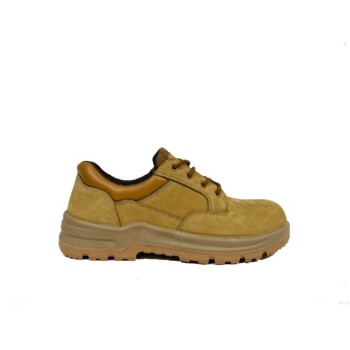
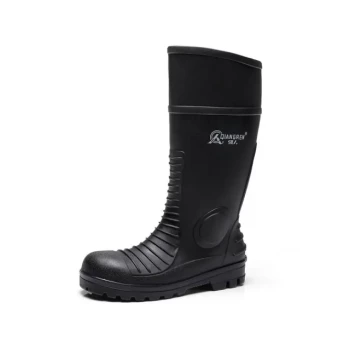
Industrial safety shoes serve as a specialized, dual-threat barrier in chemical processing environments. They integrate reinforced structural components to deflect crushing forces from heavy material handling with advanced chemical-resistant materials to neutralize threats from corrosive fluid leaks. This combination ensures physical integrity while preventing toxic permeation and stability loss on slick, hazardous surfaces.
In environments combining heavy lifting with high-pressure pipelines, safety shoes function as the final line of defense. They must simultaneously withstand massive physical impact and resist the rapid degradation caused by exposure to high-temperature acids or petroleum derivatives.
Physical Defense Against Heavy Loads
In a chemical plant, the movement of heavy materials—such as steel beams, pipes, or machinery parts—poses an immediate crushing hazard.
Impact Resistance
The primary defense mechanism is the reinforced toe structure. This component is engineered to withstand significant impact forces, protecting the toes from being crushed if heavy equipment or materials are dropped during handling.
Metatarsal Protection
Beyond the toe cap, specialized footwear often includes metatarsal guards. These features extend protection to the upper foot, shielding the delicate metatarsal bones from impact forces generated by falling timber or heavy pipeline components.
Puncture Prevention
Floors in maintenance areas often accumulate metal scraps, nails, or sharp debris. Puncture-resistant midsoles create a robust physical barrier that prevents sharp objects from piercing the sole and injuring the foot during transit.
Chemical and Environmental Stability
High-pressure pipelines introduce the risk of leaks, sprays, and spills. The footwear must resist chemical attack while maintaining traction.
Resistance to Corrosive Media
The outsoles and upper materials are designed to be chemical-corrosion-resistant. They prevent the penetration of high-temperature acidic liquids or caustic splashes, which safeguards the skin from direct burns and chemical injury.
Prevention of Toxic Absorption
Specific industrial shoes utilize materials resistant to petroleum derivatives. This prevents hazardous substances like liquid benzene from soaking through the shoe and being absorbed into the bloodstream through the skin of the feet.
Stability on Slick Surfaces
Chemical plants frequently have floors compromised by oil, water, or cleaning solutions. Professional slip-resistant outsoles provide essential traction, preventing falls that could lead to contact with corrosive media or heavy machinery.
Understanding the Trade-offs
While maximum protection is ideal, it often comes with functional compromises that must be managed.
Weight vs. Fatigue
Footwear offering high-impact protection (steel toes and metatarsal guards) is inherently heavier. This increased weight can lead to worker fatigue over long shifts, potentially slowing reaction times.
Chemical Sealing vs. Breathability
To effectively block chemical absorption, materials must be impermeable. This often results in reduced breathability, which can cause discomfort or moisture buildup inside the shoe during extended wear in hot environments.
Making the Right Choice for Your Goal
Selecting the correct footwear requires balancing the specific risks of the chemical plant zone with the nature of the work being performed.
- If your primary focus is Handling Heavy Pipeline Components: Prioritize shoes with reinforced toe caps and metatarsal guards to maximize protection against crushing injuries from falling steel or equipment.
- If your primary focus is Maintenance of High-Pressure Lines: Select footwear with high-grade chemical-resistant outsoles and uppers to prevent acid burns and toxic absorption from potential leaks or sprays.
The ideal safety shoe transforms a vulnerable worker into a protected operator, ensuring that neither a dropped load nor a chemical splash results in a catastrophic injury.
Summary Table:
| Protection Type | Specific Function | Key Feature |
|---|---|---|
| Physical Defense | Impact Resistance | Reinforced Toe Structure |
| Metatarsal Protection | Metatarsal Guards | |
| Puncture Prevention | Puncture-Resistant Midsoles | |
| Chemical Stability | Resistance to Corrosive Media | Chemical-Corrosion-Resistant Outsoles/Uppers |
| Prevention of Toxic Absorption | Petroleum Derivative Resistance | |
| Stability on Slick Surfaces | Professional Slip-Resistant Outsoles | |
| Consideration | Weight vs. Fatigue | Heavier for high-impact protection |
| Chemical Sealing vs. Breathability | Impermeable for chemical block, less breathable |
As a large-scale manufacturer serving distributors and brand owners, 3515 offers comprehensive production capabilities for all footwear types. Our flagship Safety Shoes series, alongside work and tactical boots, outdoor shoes, training shoes, sneakers, and Dress & Formal shoes, is designed to meet your diverse bulk requirements with uncompromised quality and protection. Elevate your safety standards and secure reliable supply – Contact us today to discuss your industrial footwear needs!
References
- Fadilatus Sukma Ika Noviarmi, Lanobyan Hamengku Prananya. Knowledge and Attitudes Workers Toward Compliance Use Personal Protective Equipment. DOI: 10.20473/ijosh.v12i3.2023.391-401
This article is also based on technical information from 3515 Knowledge Base .
Related Products
- Wholesale Mesh Steel Toe Safety Shoes with Dial Closure Factory Production
- Premium Wheat Nubuck Safety Shoes for Bulk Distribution
- Wholesale Anti-Smash & Puncture-Proof Safety Shoes Custom Manufacturing for Brands
- Durable Steel Toe Safety Boots Wholesale & Custom Manufacturing
- Premium Waterproof High-Cut Industrial Safety Boots for Wholesale and Bulk Orders
People Also Ask
- What type of safety shoe is recommended for workers exposed to heavy machinery? Steel Toe Boots for Ultimate Protection
- Why is it mandatory to wear safety shoes with steel toe protection during metal loading? Prevent Crushing Injuries
- What are the main materials used in steel toe safety shoes? A Guide to Protective Footwear Construction
- What are the recommended uses for steel toe safety shoes? Essential Protection for High-Risk Industries
- Is the myth about steel toe shoes cutting off toes true? Debunking the Safety Footwear Myth