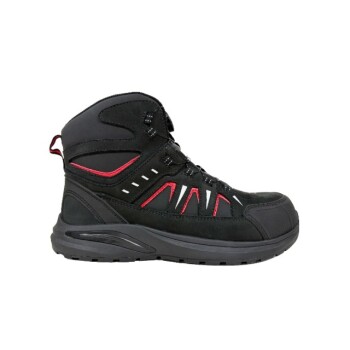
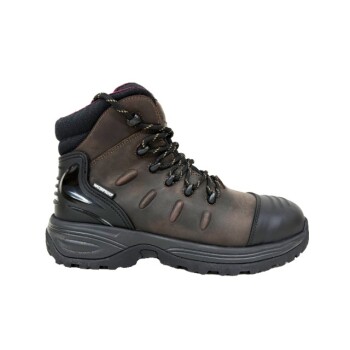
Industrial safety shoes serve as a foundational layer of defense within the personal protective equipment (PPE) ecosystem for fire rescue teams operating during infectious disease pandemics. Beyond their standard function of protecting against physical trauma like crushing and punctures, these boots provide the necessary chemical and slip resistance required to operate safely in volatile environments.
While often overlooked in favor of respiratory gear, proper footwear is critical for biological containment. In pandemic scenarios, industrial safety boots function as the anchor for hygienic isolation, working in tandem with protective covers to sever the transmission chain of pathogens from ground surfaces.
The Dual Defense Mechanism
Physical Hazard Protection
In emergency rescue scenarios, the immediate environment is often unstable. Industrial safety boots provide essential armor against crushing injuries and punctures caused by falling debris or sharp objects.
Chemical Resistance
Pandemic environments often require the heavy use of sanitizing agents and hazardous chemicals. High-quality industrial boots act as a shield, preventing these harsh substances from compromising the rescuer's skin or foot integrity.
The Pandemic-Specific Function
Blocking Pathogen Transmission
The ground in a rescue zone can act as a reservoir for infectious agents. Industrial boots play a vital role in hygienic isolation by distancing the wearer from contaminated surfaces.
Integration with Shoe Covers
The boot alone is not the sole barrier against viruses. The primary reference highlights that boots are most effective against pathogens when used in conjunction with protective shoe covers. This combination ensures a hermetic seal against biological threats.
Operational Stability
Slip Resistance
Rescue interventions often occur in complex, slippery, or wet conditions. Industrial footwear is engineered with high-traction outsoles to ensure stability.
Ensuring Rescue Continuity
By preventing falls and foot injuries, these boots ensure that rescue personnel remain mobile and effective. This reliability allows the team to focus on the rescue mission rather than their own footing.
Understanding the Trade-offs
Dependence on Auxiliary Gear
It is critical to understand that the boot itself is generally designed for physical safety, not biological impermeability on its own. Without protective covers, the boot surfaces can still act as vectors for pathogen transmission if not properly sanitized.
Weight and Agility
Industrial-grade protection comes with increased weight compared to standard tactical footwear. While this provides maximum safety against crushing, it requires rescuers to adapt to slightly reduced agility during rapid movements.
Ensuring Safety in Complex Environments
To maximize safety during pandemic interventions, you must align your equipment with your specific operational risks.
- If your primary focus is Physical Safety: Prioritize boots with certified crush and puncture resistance to handle debris-filled rescue zones.
- If your primary focus is Infection Control: Ensure your footwear is chemically resistant and fully compatible with medical-grade protective shoe covers to block pathogen transfer.
Your footwear is the literal foundation of your safety; ensure it is robust enough to handle both the physical weight of the job and the invisible weight of biological risk.
Summary Table:
| Feature | Protection Benefit | Pandemic Utility |
|---|---|---|
| Physical Armor | Crush & Puncture Resistance | Navigating debris-filled emergency zones safely |
| Chemical Resistance | Shielding from sanitizers/hazards | Preventing skin contact with harsh disinfection agents |
| Slip Resistance | High-traction outsoles | Maintaining stability on wet/decontaminated surfaces |
| Biological Barrier | Pathogen isolation | Acts as the anchor for protective shoe cover systems |
| Hygienic Seal | Transmission prevention | Severs the chain of ground-to-person infection |
Secure Your Fleet with Professional-Grade Safety Footwear
As a large-scale manufacturer serving distributors and brand owners, 3515 offers comprehensive production capabilities to meet the demanding requirements of emergency response and industrial sectors. Our flagship Safety Shoes series provides the foundational defense needed for complex rescue missions, combining crush resistance with the chemical stability required for pandemic-era disinfection protocols.
From tactical boots and training shoes to formal dress options for personnel, our diverse portfolio ensures your supply chain is robust and reliable. Partner with 3515 today to access high-volume, precision-engineered footwear that protects those on the front lines.
Contact our team for bulk inquiries and technical specifications
References
- Marianna Tomašková, Jozef KRAJŇÁK. HAZARDS RELATED TO ACTIVITIES OF FIRE-RESCUE DEPARTMENT MEMBERS DURING THE COVID-19 PANDEMIC. DOI: 10.20858/sjsutst.2022.117.17
This article is also based on technical information from 3515 Knowledge Base .
Related Products
- Premium Waterproof High-Cut Industrial Safety Boots for Wholesale and Bulk Orders
- Premium Wholesale Waterproof Safety Boots High Performance Protection for Industrial Markets
- Premium Wholesale Tactical Style Safety Shoes Boots with Quick Lacing
- Puncture-Resistant Velcro Safety Boots for Wholesale & Custom Manufacturing
- Heavy Duty Nubuck Safety Boots Safety Shoes for Global Distribution
People Also Ask
- Why are oil-resistant and anti-slip properties critical for industrial safety boots? Expert Outsole Engineering Guide
- What are the primary protective functions of industrial safety boots in oil palm plantations? Master Rough Terrain Safety
- What functions do industrial safety boots serve? Essential Protection for Footwear Sole & Stockfit Processing
- What dual characteristics do industrial safety boots exhibit? Balance Worker Protection with Health Recovery Efficiency
- How do industrial safety boots assist maintenance personnel working on high-level palm oil factory structures?