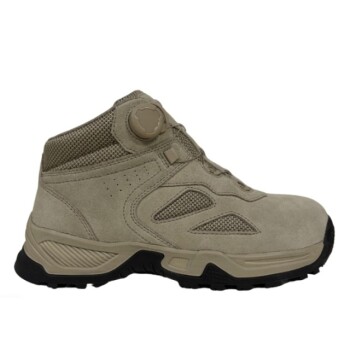
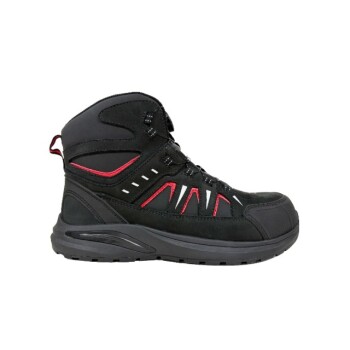
The integrity of an industrial safety boot relies heavily on the engineering of its outsole. Oil-resistant properties prevent chemical degradation that can destroy the boot's physical structure, while anti-slip features utilize complex tread patterns to maintain traction on contaminated surfaces. Together, these design choices prevent material failure and safeguard the wearer against slips and falls in hazardous environments.
Industrial environments expose footwear to aggressive solvents and slick surfaces that can rapidly compromise standard materials. The critical value of oil-resistant and anti-slip outsoles lies in their ability to maintain structural stability against hydrocarbons and generate friction where it is needed most, directly reducing the frequency of workplace injuries.
The Science of Material Stability
Combating Chemical Degradation
Standard footwear materials often break down rapidly when exposed to industrial fluids. Floors in these settings frequently contain oil, water, or chemical solvents that can degrade the outsole, leading to premature failure.
Resistance to Hydrocarbons and Acids
To counter this, safety boots utilize specially developed outsoles made from rubber or synthetic materials. These materials are engineered to ensure physical properties remain stable even when in contact with hydrocarbons, acidic substances, or alkaline solutions.
Tread Design and Traction
Maximizing Surface Grip
Material composition alone is not enough to ensure safety; the physical shape of the sole is equally critical. Outsoles feature complex tread patterns designed specifically to maximize traction.
Reducing Slip Risks
These patterns channel fluids away from the contact point and bite into the ground surface. This design significantly reduces the risk of slipping on wet, oily, or contaminated surfaces, providing the stability necessary for heavy industrial work.
Understanding the Trade-offs
Specificity vs. Versatility
While high-performance outsoles offer superior protection against oils and solvents, they are often specialized. A material optimized for resistance to acidic hydrocarbons may perform differently on simple water or ice, requiring careful selection based on the specific environment.
Balancing Protection and Weight
Achieving high levels of chemical resistance and aggressive traction often requires denser synthetic materials. This can sometimes result in a heavier boot, potentially impacting long-term comfort if the design does not also prioritize support.
Making the Right Choice for Your Goal
Selecting the correct safety footwear requires matching the outsole technology to your specific environmental hazards.
- If your primary focus is Oil and Gas Extraction: Prioritize boots with high ASTM ratings for hydrocarbon resistance to ensure the sole does not degrade or swell upon contact with drilling fluids.
- If your primary focus is General Warehousing or Construction: Look for boots emphasizing complex tread patterns to prevent slips on smooth concrete or wet, uneven terrain.
Ultimately, the right outsole transforms safety footwear from a simple uniform requirement into a critical piece of personal protective equipment.
Summary Table:
| Feature | Primary Function | Technical Benefit |
|---|---|---|
| Oil Resistance | Prevents hydrocarbon absorption | Avoids material swelling and structural failure |
| Anti-Slip Tread | Maximizes surface friction | Channels fluids away to prevent slips and falls |
| Material Stability | Resists acids and alkalis | Extends footwear lifespan in harsh chemical zones |
| Specific Traction | Environment-matched grip | Provides stability on wet, oily, or uneven terrain |
Partner with 3515 for High-Performance Safety Footwear
As a premier large-scale manufacturer serving global distributors and brand owners, 3515 delivers cutting-edge outsole technology engineered for the toughest industrial environments. Our flagship Safety Shoes series is built to exceed international standards for oil resistance and traction, ensuring durability and worker protection.
Beyond safety boots, our comprehensive production capabilities include:
- Tactical & Work Boots for rugged field performance.
- Outdoor & Training Shoes designed for agility and comfort.
- Sneakers & Dress Shoes for diverse bulk requirements.
Ready to elevate your product line with footwear that combines protection, stability, and comfort? Contact 3515 today to discuss your bulk manufacturing needs and discover how our expertise can drive your brand's success.
References
- Ewa Puszczałowska-Lizis, Jarosław Omorczyk. Evaluation of safety boots and their relationships with the foot structure of female and male industrial workers. DOI: 10.1186/s12891-025-08983-4
This article is also based on technical information from 3515 Knowledge Base .
Related Products
- Premium Waterproof High-Cut Industrial Safety Boots for Wholesale and Bulk Orders
- Premium Wholesale Waterproof Safety Boots High Performance Protection for Industrial Markets
- Puncture-Resistant Velcro Safety Boots for Wholesale & Custom Manufacturing
- Premium Wholesale Wheat Nubuck Safety Boot with Rapid Lacing System
- Customizable Anti-Smash Safety Boots for Wholesale & Private Label Manufacturing
People Also Ask
- What are the primary protective functions of industrial safety boots in oil palm plantations? Master Rough Terrain Safety
- What are the protective functions of industrial safety boots in sugar factory clarification stations? Thermal & Slip Experts
- Why are industrial safety boots with high-grip outsoles required for oil leaks and B3 waste? Ensure Worker Stability
- What functions do industrial safety boots serve? Essential Protection for Footwear Sole & Stockfit Processing
- What protective functions do industrial-grade safety boots provide in construction and mining? Maximize Worker Safety