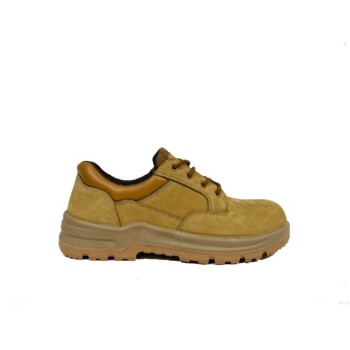
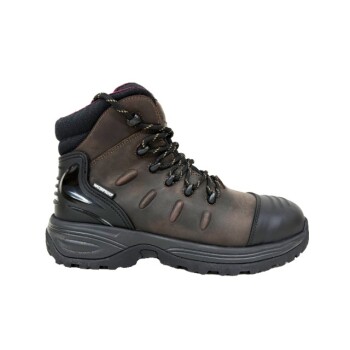
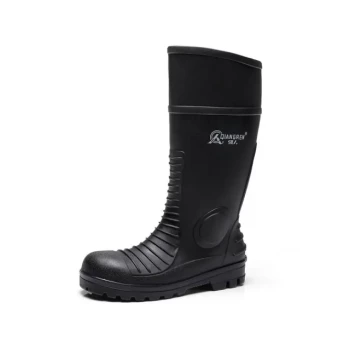
Industrial safety shoes function as a comprehensive multi-threat barrier within the high-risk environment of an oil refinery. They provide three primary protective functions: safeguarding against impact from falling heavy objects, preventing punctures from sharp debris, and ensuring critical traction to prevent slips and falls on oily or uneven surfaces.
While often viewed simply as footwear, industrial safety shoes serve as the final physical barrier in a refinery's mandatory Personal Protective Equipment (PPE) framework. They effectively mitigate severe lower limb injuries caused by the combined risks of mechanical force, hazardous fluid exposure, and unstable ground conditions.
Mechanical and Physical Protection
Impact Resistance Against Heavy Loads
Refineries are high-intensity zones filled with heavy piping, valves, and maintenance tools. Reinforced toe caps—often made of steel or composite materials—are essential to deflect the force of falling objects.
This feature prevents crushing injuries that could occur during equipment disassembly or material handling. It ensures that an accidental drop results in a minor scare rather than a debilitating fracture.
Defense Against Puncture Wounds
The ground in industrial settings often conceals sharp hazards, such as metal scraps, nails, or shattered glass. Ordinary footwear offers little resistance to these threats.
Safety shoes incorporate puncture-resistant midsoles. These layers act as a shield, preventing sharp items from penetrating the sole and causing deep tissue damage to the foot.
Environmental and Chemical Defense
Stability on Slick Surfaces
One of the most pervasive risks in an oil refinery is the presence of fluids on walking surfaces. Leaks of hydraulic oil, aviation fuel, or crude oil can create dangerously slippery conditions.
Industrial safety shoes utilize specialized anti-slip outsoles. These provide the necessary grip and traction to maintain balance, significantly reducing the frequency of slip-and-fall accidents in contaminated areas.
Chemical Impermeability
Beyond physical trauma, refinery workers face exposure to toxic liquids like benzene and other petroleum derivatives. Standard leather or cloth footwear can absorb these fluids, leading to skin toxicity.
High-quality safety shoes use chemical-resistant materials. This construction prevents hazardous liquids from permeating the shoe, stopping absorption through the skin and protecting long-term health.
Understanding the Trade-offs
Weight vs. Protection
To achieve high levels of impact and puncture resistance, safety shoes are constructed with dense materials. This adds significant weight to the footwear compared to standard shoes.
While necessary for safety, this extra weight can lead to increased fatigue over long shifts. Workers must balance the level of protection needed with the physical demands of walking long distances across the facility.
Breathability vs. Chemical Resistance
Materials designed to be impermeable to oil and chemicals often lack breathability. By sealing the foot off from external fluids, the shoe also traps heat and moisture inside.
In hot refinery environments, this can lead to discomfort. However, this is a necessary compromise to ensure that toxic chemicals remain outside the protective barrier.
Making the Right Choice for Your Goal
To select the most effective footwear, you must evaluate the specific hazards present in your designated work zone.
- If your primary focus is Maintenance and Repair: Prioritize shoes with heavy-duty reinforced toe caps and puncture-resistant midsoles to handle heavy gears and sharp metal debris.
- If your primary focus is Chemical Processing: Prioritize footwear with verified chemical resistance and superior anti-slip ratings to protect against fluid leaks and skin absorption.
The right safety shoe transforms a potential medical emergency into a non-event, keeping you safe to work another day.
Summary Table:
| Protection Category | Feature | Benefit in Oil Refinery |
|---|---|---|
| Mechanical | Reinforced Toe Caps | Prevents crushing injuries from heavy pipes and valves. |
| Physical | Puncture-Resistant Midsole | Shields the foot from metal scraps and sharp industrial debris. |
| Environmental | Anti-Slip Outsoles | Ensures stability on surfaces contaminated with crude oil or fuel. |
| Chemical | Impermeable Materials | Prevents skin absorption of toxic fluids like benzene. |
Secure Your Workforce with Premium Safety Footwear from 3515
As a leading large-scale manufacturer serving global distributors and brand owners, 3515 delivers high-performance protective solutions tailored for the most demanding industrial environments. Our flagship Safety Shoes series is specifically engineered to withstand the mechanical and chemical rigors of oil refineries, ensuring maximum worker safety and compliance.
By partnering with us, you gain access to:
- Comprehensive Production Capabilities: From tactical and work boots to outdoor and training shoes.
- Bulk Order Expertise: Reliable manufacturing for sneakers, dress, and formal footwear to meet diverse corporate requirements.
- Proven Durability: Rigorous quality control that guarantees protection against impacts, punctures, and chemical hazards.
Ready to elevate your product line with industry-leading safety footwear? Contact us today to discuss your bulk manufacturing needs and let 3515 be your trusted production partner.
References
- Abyan Nugraha, Abdul Latif Mahfuz. Perlindungan Hukum Keselamatan Kerja di PT Pertamina RU III Plaju dalam Proyek Kilang Minyak. DOI: 10.37680/almanhaj.v5i2.3488
This article is also based on technical information from 3515 Knowledge Base .
Related Products
- Premium Waterproof High-Cut Industrial Safety Boots for Wholesale and Bulk Orders
- Premium Wheat Nubuck Safety Shoes for Bulk Distribution
- Wholesale Mesh Steel Toe Safety Shoes with Dial Closure Factory Production
- Wholesale Anti-Smash & Puncture-Proof Safety Shoes Custom Manufacturing for Brands
- Premium KPU Athletic Safety Shoes for Wholesale
People Also Ask
- Why are oil-resistant and anti-slip properties critical for industrial safety boots? Expert Outsole Engineering Guide
- What are the primary protective functions of industrial safety boots in oil palm plantations? Master Rough Terrain Safety
- Why is professional industrial-grade safety footwear a suitable carrier for diabetic rehabilitation insoles?
- What protective functions do industrial-grade safety boots provide in construction and mining? Maximize Worker Safety
- Why are industrial safety boots with high-grip outsoles required for oil leaks and B3 waste? Ensure Worker Stability