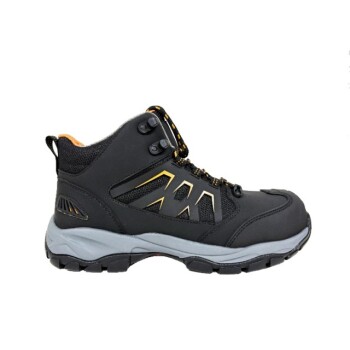
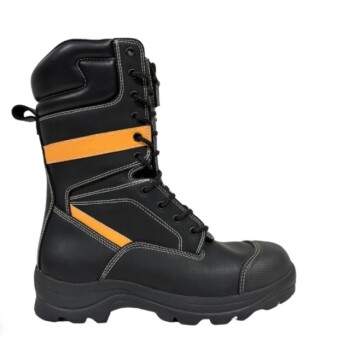
The primary function of specialized safety footwear in a Central Sterile Supply Department (CSSD) is to serve as a biological barrier. These shoes are specifically intended to block or reduce direct contact between technicians and hazardous agents, such as viruses, organic secretions, and pathogens. By acting as a shield during the handling of contaminated instruments, they play a vital role in minimizing occupational exposure to infectious diseases.
Core Takeaway: In the specific context of a CSSD, safety footwear is not just about preventing physical injury; it is a critical component of infection control. Its main purpose is to isolate the wearer from biological contaminants to prevent cross-contamination among personnel and across departments.
The Critical Role of the Biological Barrier
Blocking Pathogen Transmission
The CSSD environment handles high volumes of biohazardous waste. The core function of specialized footwear here is to interrupt the transmission pathway of dangerous microbes.
Standard shoes allow fluids to permeate, but CSSD safety footwear creates a seal against viruses and organic secretions. This prevents infectious agents from reaching the technician's skin.
Safeguarding the Decontamination Workflow
The risk of exposure is highest during specific tasks, such as the manual cleaning of dirty instruments or the preparation of sterilization supplies.
During these high-intensity workflows, fluids and debris are often dislodged. Specialized footwear ensures that these contaminants are repelled at the floor level, maintaining the integrity of the sterile processing environment.
Secondary Protections and Physical Defense
Mechanical Injury Prevention
While the primary reference emphasizes biological barriers, it is important to acknowledge that safety footwear also provides structural defense.
As noted in broader safety contexts, these shoes are designed to protect against impact, compression, and puncture. This protects the technician from heavy trays or sharp instruments dropped during the sterilization process.
The Hierarchy of Protection
However, in a CSSD, physical impact protection is secondary to biological isolation.
A shoe that offers steel-toe protection but absorbs fluids would be a failure in this environment. The impermeability of the material is the defining requirement for this specific department.
Understanding the Trade-offs
Breathability vs. Impermeability
To function as an effective biological barrier, footwear materials must be non-porous.
The trade-off is often reduced breathability. Technicians may experience discomfort or heat buildup during long shifts because the same seal that keeps viruses out also traps heat in.
The False Sense of Security
High-quality safety footwear lowers risk, but it does not eliminate it.
There is a danger that personnel may become complacent regarding other protocols. Footwear is only one part of the PPE ensemble; it must be combined with strict adherence to standard precautions to be truly effective.
Making the Right Choice for Your Goal
When selecting or evaluating footwear for a Central Sterile Supply Department, consider your specific priorities:
- If your primary focus is Infection Control: Prioritize materials that are explicitly fluid-resistant and easy to sanitize to ensure the biological barrier remains intact.
- If your primary focus is Physical Safety: Ensure the footwear meets certified ratings for puncture and impact resistance to handle heavy equipment safely.
Ultimately, the right footwear functions as a foundational tool that protects both the technician's health and the hospital's hygiene standards.
Summary Table:
| Feature | Primary Function in CSSD | Key Benefit |
|---|---|---|
| Biological Barrier | Blocks viruses and organic secretions | Minimizes occupational infection risks |
| Fluid Resistance | Prevents permeability of hazardous liquids | Maintains sterile processing integrity |
| Mechanical Defense | Protects against impact and punctures | Safeguards against dropped sharp instruments |
| Material Design | Non-porous, easy-to-sanitize surfaces | Ensures long-term hygiene and contamination control |
Secure Your Facility with Industry-Leading Safety Footwear
As a large-scale manufacturer serving distributors and brand owners, 3515 offers comprehensive production capabilities for all footwear types, anchored by our flagship Safety Shoes series. Whether you need specialized biological barrier footwear for healthcare environments or rugged work and tactical boots, our extensive portfolio—including outdoor shoes, training shoes, and dress & formal footwear—is designed to meet diverse bulk requirements with uncompromising quality.
Partner with a manufacturer that understands the critical demands of CSSD and industrial safety. Contact us today to discuss your bulk production needs and see how we can add value to your brand.
References
- Pattikan Damrongkhunawut, Withaya Chanchai. Effectiveness of Personal Protective Equipment in Preventing Coronavirus Infection and Emerging Infectious Diseases among Central Service Technicians in Thailand. DOI: 10.29011/2688-9501.101394
This article is also based on technical information from 3515 Knowledge Base .
Related Products
- Safety Footwear Wholesale Manufacturer for Custom OEM/ODM Production
- Premium Suede Sport Safety Shoes for Wholesale & Bulk Orders
- Premium Wheat Nubuck Safety Shoes for Bulk Distribution
- Premium Lightweight Safety Shoes for Wholesale & Bulk Orders
- Premium Grain Leather Safety Boots for Bulk Supply
People Also Ask
- What are the key OSHA regulations for safety footwear? Ensure Compliance & Protect Your Workforce
- Why is high-load mechanical testing equipment necessary for safety footwear? Ensure Life-Saving Compression Resistance
- What does a red rectangle with a white C letter on safety footwear mean? Essential Guide to Conductive Footwear
- What is the difference between oil resistance and slip resistance in footwear? Protect Your Boots and Your Safety
- What are the basic requirements of the ASTM F2413-05 standard? Mandatory Impact & Compression Protection