Traditionally, cowboy boots are made from cowhide leather. This material was the standard for working cowboys because of its exceptional durability, availability, and ability to withstand the harsh conditions of the American West. While cowhide remains the classic choice, the world of bootmaking has expanded to include a vast range of other leathers.
The core material of a traditional cowboy boot is cowhide, prized for its rugged functionality. However, the modern boot landscape is a balance between this classic durability and the aesthetic appeal of exotic skins and alternative materials.

The Foundation of Tradition: Cowhide
The original cowboy boot was a tool, and its primary material had to be tough enough for the job. Cowhide leather was the perfect solution.
Why Cowhide is the Classic Choice
Cowhide, particularly premium steer leather, is strong, resistant to scuffs, and molds to the wearer's foot over time for a custom fit. This made it the ideal choice for a boot designed for long days of riding and ranch work.
Understanding Leather Grades
Not all cowhide is the same. Full-grain leather is the highest quality, using the natural, unaltered hide, which provides maximum durability. Top-grain leather is also a premium choice where the surface has been lightly sanded to remedy imperfections, offering a more uniform appearance.
Beyond the Traditional: Exotic and Modern Materials
While cowhide is the workhorse, many boots are crafted from other materials for style, comfort, or a unique look. These are often categorized as exotic and non-exotic leathers.
The Allure of Exotic Skins
Exotic leathers are chosen for their distinctive textures and luxurious feel. These are primarily used for fashion and statement boots and include materials like ostrich (known for its soft feel and quill pattern), alligator, caiman, snakeskin (python or rattlesnake), and even pirarucu fish skin.
Other Functional Leathers
Besides cowhide, other non-exotic animal hides are also used. Goat, bison, and pig leathers are common alternatives, each offering a different combination of softness, texture, and rugged charm.
Modern Textures and Synthetics
For a different aesthetic, boots may be made from suede or nubuck, which provide a soft, modern Western look. Additionally, some modern designs incorporate synthetic materials, often combined with leather to improve ventilation or reduce cost.
Understanding the Trade-offs
The choice of material directly impacts a boot's durability, appearance, and required care. Understanding these differences is key to finding the right pair.
Durability vs. Decoration
Cowhide and bison leather are the champions of durability and are best suited for work or frequent, hard wear. In contrast, most exotic skins like snakeskin are more delicate and best reserved for special occasions rather than daily chores.
The Feel Underfoot
The sole is just as important as the upper. A traditional leather sole is classic and allows the foot to breathe. However, a modern rubber sole offers superior grip, water resistance, and day-one comfort, making it a practical choice for many wearers.
The Maintenance Commitment
All leather requires care, but the needs vary. A simple wipe-down with a damp cloth, a soft brush for scuffs, and regular applications of a leather conditioner will keep most cowhide boots in excellent shape. Exotic leathers often require specialized conditioners and more careful handling to prevent scales from drying out or cracking.
Making the Right Choice for Your Purpose
Your ideal boot material depends entirely on how you plan to use it.
- If your primary focus is authenticity and rugged daily wear: Choose a boot made from high-quality full-grain cowhide or bison leather.
- If your primary focus is making a stylistic statement: Explore exotic options like ostrich for a durable yet stylish choice or alligator for pure luxury.
- If your primary focus is modern comfort and versatility: Look for boots with rubber soles or those made from softer leathers like goat or suede.
Ultimately, the best cowboy boot is one that serves your needs while reflecting your personal style.
Summary Table:
| Material Type | Key Characteristics | Best Use Case |
|---|---|---|
| Cowhide | Maximum durability, molds to foot, classic look | Rugged daily wear, work, authenticity |
| Exotic Skins (e.g., Ostrich, Alligator) | Distinctive texture, luxurious feel, unique patterns | Fashion, special occasions, making a statement |
| Other Leathers (e.g., Goat, Bison, Suede) | Varying softness, texture, and modern appeal | Versatile wear, comfort-focused, modern Western style |
| Synthetic Materials | Lightweight, often more affordable, improved ventilation | Cost-effective options, specific performance needs |
Ready to Craft Your Perfect Boot? Partner with 3515, Your Large-Scale Footwear Manufacturer
As a leading manufacturer, 3515 produces a comprehensive range of footwear for distributors, brand owners, and bulk clients. Whether you need durable, traditional cowhide work boots or stylish boots featuring exotic materials, our production capabilities encompass all types of shoes and boots to meet your exact specifications and market demands.
Let’s discuss how we can bring your vision to life with quality, scale, and efficiency. Contact our team today to start your next project!
Visual Guide

Related Products
- Wholesale High-Traction Camo Boots - Custom Manufacturer for Brands
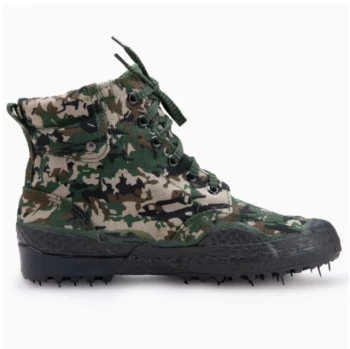
- Durable Spiked Camouflage Boots Wholesale & Factory Production
- High-Traction Suede Tactical Boots Wholesale & Custom Manufacturing
- Wholesale Lightweight Tactical Boots Custom Manufacturer for Desert & Combat Use
- Durable Leather Tactical Boots Wholesale & Custom Manufacturing for Brands
People Also Ask
- What are the key features of the new line of camo boots? Built for Extreme Cold & Rugged Terrain
- Are camo boots necessary for hunting success? Prioritize Performance Over Pattern
- What is the technical logic behind using closed-eye testing for tactical boots? Unlocking Peak Footwear Stability
- How does the Rank Score Test identify the primary causes of premature failure in tactical and work boots? Key Insights
- What shoes to wear for a security job? Durable, Protective Footwear for Long Shifts