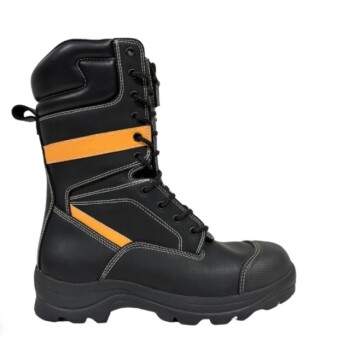
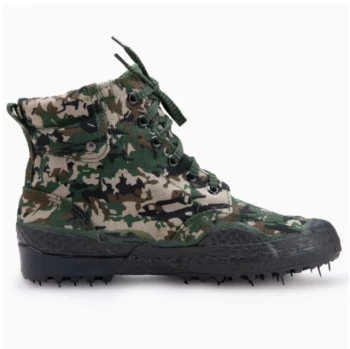
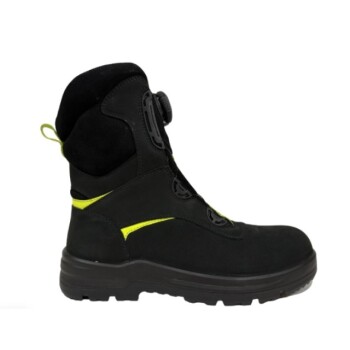
The three primary concerns with any pair of wildfire boots consistently revolve around comfort, weight, and cost. Addressing them is not about finding a perfect boot that eliminates these issues, but about making a calculated decision based on your specific role, the terrain you face, and how you value long-term performance over short-term savings.
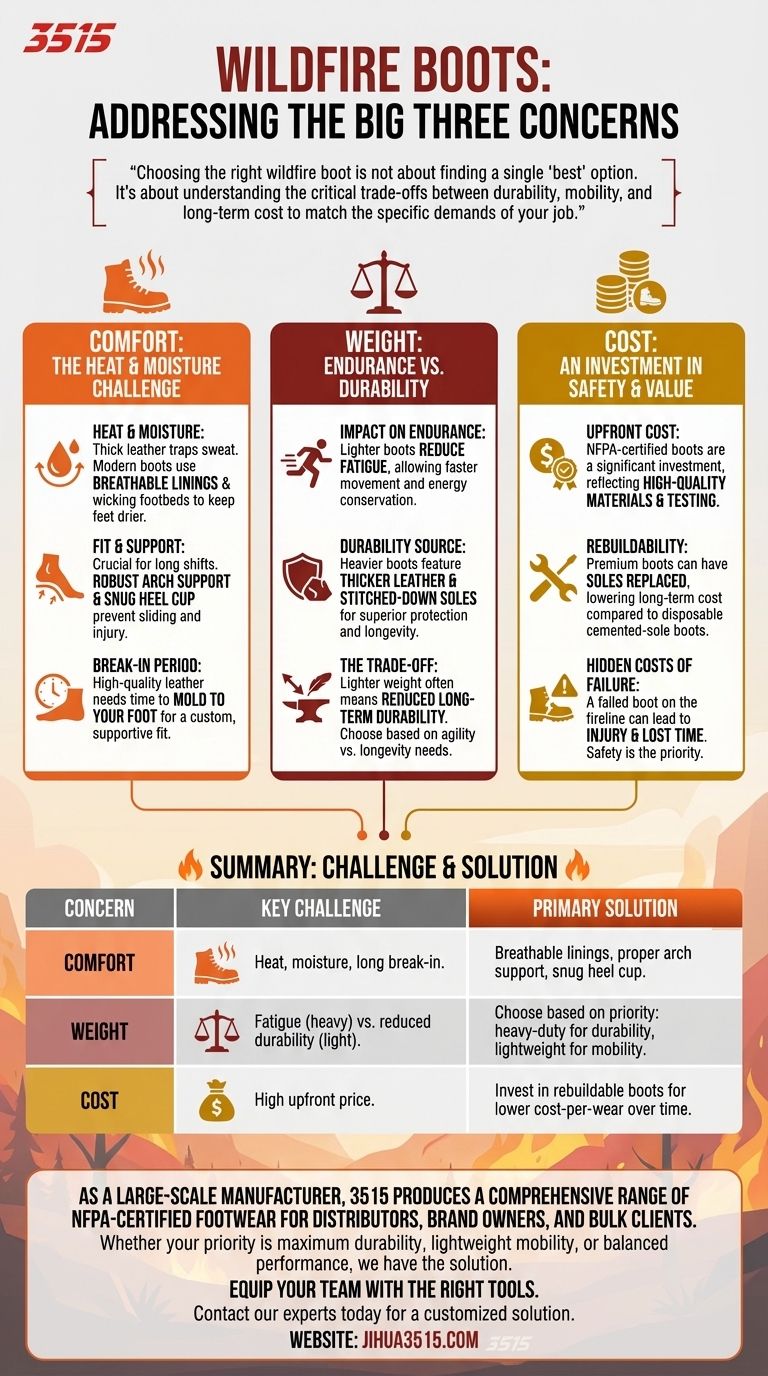
Choosing the right wildfire boot is not about finding a single "best" option. It's about understanding the critical trade-offs between durability, mobility, and long-term cost to match the specific demands of your job.
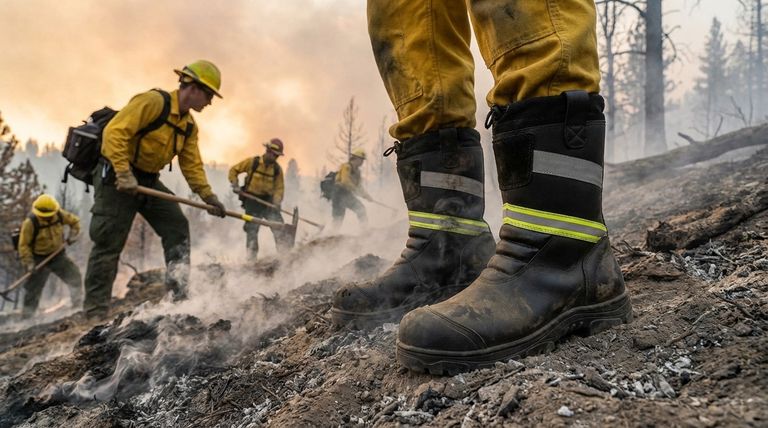
Deconstructing the Comfort Challenge
A boot that isn't comfortable isn't just an annoyance; it's a direct threat to your safety and effectiveness on the fireline. Foot fatigue and blisters can quickly become debilitating issues during a long shift.
The Heat and Moisture Problem
Wildland boots must be made of thick, heat-resistant leather to protect you from extreme ground temperatures. However, this same material can trap sweat and moisture, creating the perfect environment for painful blisters.
Modern boots address this by incorporating breathable linings and footbeds designed to wick moisture away from the skin, helping to keep your feet drier and more comfortable.
The Importance of Fit and Support
You will spend hours hiking and standing on steep, uneven terrain. A proper fit is non-negotiable.
Look for boots with robust arch support and a snug heel cup to prevent your foot from sliding. This stability not only prevents blisters but also reduces the strain on your ankles, knees, and back, preventing injuries.
The Break-In Period
High-quality, all-leather boots require a break-in period. This can be uncomfortable, but it's a necessary process where the stiff leather molds to the unique shape of your foot, resulting in a custom, supportive fit that lasts for years.
The Weight vs. Durability Equation
Every ounce on your feet feels like a pound on your back by the end of the day. Boot weight is a critical factor that directly impacts your energy levels and mobility.
How Weight Impacts Endurance
Lighter boots significantly reduce fatigue, allowing you to move faster and conserve energy over long distances. This is a crucial advantage when you need to be agile and responsive.
Manufacturers achieve lower weights by using composite materials in certain areas or by slightly reducing the thickness of the leather.
Where Durability Comes From
The trade-off for lighter weight is often a reduction in long-term durability. Heavier boots are typically built with thicker leather and more robust, stitched-down soles.
These features provide superior protection from rocks and heat and allow the boot to withstand season after season of hard use.
Understanding the Trade-offs: Cost as an Investment
NFPA-certified wildland boots are a significant financial investment, and it can be tempting to choose a less expensive option. However, the initial price tag rarely tells the whole story.
The Upfront Cost Hurdle
Top-tier boots from reputable manufacturers can cost several hundred dollars. This price reflects the high-quality materials, skilled labor, and rigorous testing required to meet safety standards.
Cost-Per-Wear and Rebuildability
A key feature of premium boots is that they are often rebuildable. This means a worn-out sole can be completely replaced by the manufacturer or a skilled cobbler for a fraction of the cost of a new pair.
A cheaper, cemented-sole boot must be thrown away once the sole wears out. A more expensive, rebuildable boot might last two or three times as long, making its long-term cost much lower.
The Hidden Costs of Failure
Viewing your boots as an investment in safety is essential. A boot that fails on the fireline can lead to serious injury, lost work time, and the immediate need for a replacement. The cost of failure far outweighs the initial savings of a cheaper boot.
Making the Right Choice for Your Role
Selecting the right boot requires a clear understanding of your priorities.
- If your primary focus is maximum durability and protection: Opt for a heavy-duty, all-leather boot from a legacy brand known for its rebuildable, stitched-down construction.
- If your primary focus is mobility and reducing fatigue: Consider a lighter-weight hybrid model, but be prepared for a potential compromise in longevity and the number of times it can be rebuilt.
- If your primary focus is balancing budget and performance: Invest in the highest quality boot you can afford from a reputable manufacturer, prioritizing a solid fit and considering its long-term value.
Ultimately, the right boot is a critical tool that protects your most valuable asset on the fireline: your feet.
Summary Table:
| Concern | Key Challenge | Primary Solution |
|---|---|---|
| Comfort | Heat, moisture, and long break-in periods. | Breathable linings, proper arch support, and a snug heel cup. |
| Weight | Fatigue from heavy boots vs. reduced durability from lighter ones. | Choose based on priority: heavy-duty for durability, lightweight for mobility. |
| Cost | High upfront price vs. long-term value. | Invest in rebuildable boots for a lower cost-per-wear over time. |
As a large-scale manufacturer, 3515 produces a comprehensive range of NFPA-certified footwear for distributors, brand owners, and bulk clients. Whether your priority is maximum durability for rough terrain, lightweight mobility for agility, or a balanced performance solution, our production capabilities encompass all types of wildfire boots and boots. Let us help you equip your team with the right tools for the job. Contact our experts today to discuss your specific needs and receive a customized solution.
Visual Guide
Related Products
- High Performance Fire-Retardant Waterproof Safety Boots
- Premium Flame-Retardant Waterproof Safety Boots and Shoes
- Wholesale Lightweight Tactical Boots Custom Manufacturer for Desert & Combat Use
- Durable Military Combat Boots with Water Drainage for Wholesale & OEM
- Durable Spiked Camouflage Boots Wholesale & Factory Production
People Also Ask
- Why are waterproof safety boots recommended for certain work environments? Essential Protection for Wet & Hazardous Jobs
- What roles do 3D vision systems and industrial robots play in the manufacturing of fire safety boots? Smart Automation
- What is a drawback of waterproof boots? The Hidden Cost of Trapped Sweat and Heat
- What are the drawbacks of waterproof boots? The Breathability vs. Protection Trade-Off
- What is the difference between waterproof, water-resistant, and water-repellent boots? Choose the Right Protection for Your Feet