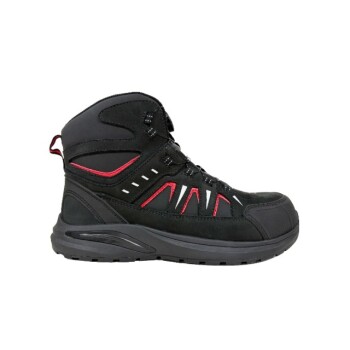
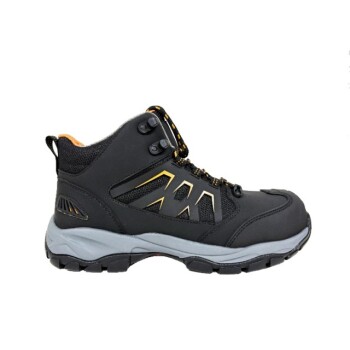
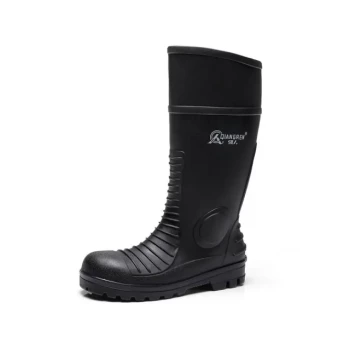
Providing standardized steel-toed safety shoes allows researchers to rigorously control experimental variables within occupational health studies. By ensuring every participant wears footwear with identical specifications, the study eliminates discrepancies in structure, hardness, and cushioning that would otherwise skew data regarding musculoskeletal discomfort and plantar pressure.
Standardizing safety footwear is not just about compliance; it is a critical methodological step to isolate the biomechanical effects of the work environment from the variability of personal equipment.
The Role of Standardization in Research Integrity
Eliminating Confounding Variables
In any study involving physical labor, personal footwear introduces a massive variable. If workers wear their own shoes, differences in footwear structure, hardness, and cushioning make it impossible to compare data accurately.
Standardization ensures that every subject experiences the same baseline interaction between their feet and the ground.
Ensuring Accurate Pressure Measurement
Reliable data on plantar pressure—the distribution of force across the sole of the foot—depends on consistent shoe construction.
Without standardized shoes, a researcher cannot determine if a high-pressure reading is caused by the assembly line task or simply by a participant wearing a shoe with poor support.
Isolating Musculoskeletal Discomfort
To measure how a job affects the body, you must rule out external factors.
By controlling the footwear, researchers can confidently attribute reports of musculoskeletal discomfort to the demands of the work tasks rather than the quality of the worker's personal shoes.
The Biomechanical Impact of Steel-Toed Design
Essential Physical Protection
The primary function of steel-toed shoes in these studies mimics real-world requirements.
They provide necessary protection against impacts and compression, ensuring the study environment reflects actual safety standards.
The Impact of Significant Mass
However, the design of these shoes introduces its own physiological load.
Steel-toed shoes possess significant mass, which adds weight to the distal end of the leg. This added weight is a crucial factor that can increase energy expenditure and fatigue over long shifts.
Rigidity and Kinematics
Beyond weight, the rigid structure required for protection alters how a worker moves.
This rigidity can change kinematic responses, forcing the worker to adjust their gait or posture, which must be factored into any analysis of lower limb mechanics.
Understanding the Trade-offs
Protection vs. Ergonomic Load
There is an inherent conflict in safety footwear between shielding the foot and preserving wearer comfort.
While the steel toe prevents crushing injuries, its weight and stiffness are active contributors to lower limb discomfort.
The "Safety Shoe" Variable
Researchers must recognize that the safety equipment itself is a source of stress.
When analyzing study results, it is vital to acknowledge that some observed fatigue is likely induced by the footwear rather than the assembly task alone.
Making the Right Choice for Your Goal
When evaluating occupational health data or planning safety protocols, the role of the shoe is pivotal.
- If your primary focus is Research Accuracy: Ensure all participants utilize identical footwear to eliminate variations in cushioning and hardness that corrupt pressure data.
- If your primary focus is Worker Comfort: Recognize that the significant mass and rigidity of standard steel-toed shoes are active contributors to fatigue and kinematic changes during long shifts.
Standardization turns the shoe from an unpredictable variable into a known constant, allowing for a true assessment of occupational risk.
Summary Table:
| Feature of Standardization | Impact on Research & Safety |
|---|---|
| Variable Control | Eliminates discrepancies in cushioning and structure across subjects |
| Pressure Measurement | Ensures consistent data on plantar pressure distribution |
| Discomfort Isolation | Attributes musculoskeletal fatigue to work tasks, not personal gear |
| Biomechanical Baseline | Accounts for the mass and rigidity effects of steel-toed designs |
| Safety Compliance | Maintains real-world protection standards during experimental trials |
Partner with 3515 for High-Performance Safety Footwear
As a premier large-scale manufacturer serving global distributors and brand owners, 3515 delivers the precision and quality required for both rigorous research and demanding work environments. Our flagship Safety Shoes series is engineered to provide uncompromising protection while balancing ergonomic needs.
By choosing 3515, you gain access to:
- Standardized Excellence: Consistent production quality ideal for bulk requirements and research protocols.
- Diverse Portfolio: From tactical boots and training sneakers to formal dress shoes, we cover every footwear niche.
- Proven Reliability: Robust manufacturing capabilities that ensure durability across our entire range.
Ready to elevate your inventory or protect your workforce? Contact us today to discuss your bulk production needs and discover the 3515 advantage.
References
- Juan Rabal-Pelay, Ana Vanessa Bataller-Cervero. Changes in Baropodometric Evaluation and Discomfort during the Workday in Assembly-Line Workers. DOI: 10.3390/healthcare12070761
This article is also based on technical information from 3515 Knowledge Base .
Related Products
- Durable Steel Toe Safety Boots Wholesale & Custom Manufacturing
- Wholesale Mesh Steel Toe Safety Shoes with Dial Closure Factory Production
- Advanced KPU Athletic Safety Shoe with Steel Toe Cap Anti-Slip Rotary Lacing System
- Heavy Duty Nubuck Safety Boots Safety Shoes for Global Distribution
- Premium Sport Style Safety Boots for Bulk Orders
People Also Ask
- Why are industrial safety boots with steel toes necessary for machine operators? Essential Foot Protection for Safety
- Why is it mandatory to wear safety shoes with steel toe protection during metal loading? Prevent Crushing Injuries
- What are the main materials used in steel toe safety shoes? A Guide to Protective Footwear Construction
- What are the characteristics of steel toe safety boots? Maximum Protection, Key Trade-offs
- Is it true that steel toes can cause toes to get cut off? Debunking the Dangerous Myth