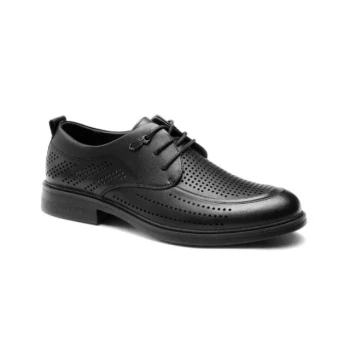
Professional protective footwear and disposable shoe covers act as a critical barrier against cross-contamination in medical environments. By encapsulating pollutants and preventing pathogens from adhering to shoe soles, they ensure that dangerous contaminants remain contained within specific zones. This simple measure prevents the tracking of pathogens from high-risk areas into clean environments as medical personnel move throughout the facility.
In high-risk medical wards, footwear protection is not just about personal hygiene; it is a fundamental mechanism for environmental containment. By isolating the soles of shoes, these tools sever the transmission vector between contaminated zones and sterile areas while simultaneously enhancing physical safety.
The Mechanics of Contamination Control
Encapsulation of Pollutants
The primary function of protective shoe covers is to encapsulate potential contaminants that come into contact with the feet.
This creates a physical seal around the shoe, ensuring that organic matter, fluids, or microscopic particles stepped on are trapped. This prevents the pollutants from being deposited elsewhere in the facility.
Preventing Pathogen Adhesion
Pathogens can easily adhere to the texture and treads of standard shoe soles, effectively turning footwear into a transport vehicle for disease.
Protective covers provide a disposable or specialized surface that stops these pathogens from latching onto the permanent footwear of medical staff. This interrupts the chain of transmission at the floor level.
Zonal Integrity and Movement
Protecting Clean Zones
The movement of personnel is one of the biggest risks in a medical facility.
As staff transition from contaminated zones to clean zones, protective footwear ensures that the bio-burden picked up in a high-risk ward does not travel with them. Removing or changing covers at zone thresholds preserves the cleanliness of sterile corridors and stations.
Supporting Workflow Continuity
Medical environments require rapid movement between areas of varying risk intensity.
Effective footwear protection allows staff to maintain operational speed without the need to stop and chemically disinfect shoes at every threshold. This supports the fast-paced nature of medical rescue activities.
Balancing Hygiene with Physical Safety
Beyond Infection Control
While environmental control is paramount, high-quality protective footwear also addresses the physical risks inherent in intensive care.
During emergency rescue activities, the environment can be physically hazardous as well as biologically dangerous. Footwear must protect the wearer as well as the patient.
Essential Safety Features
Professional-grade options often include puncture resistance to protect staff from sharps and debris on the floor.
Slip resistance is equally critical to maintain stability during urgent movements on potentially slick hospital floors. These features ensure that hygiene protocols do not compromise the physical safety of the medical team.
Understanding the Trade-offs
The Quality Variable
Not all shoe covers offer the same level of protection or durability.
Low-quality covers may tear easily under the stress of rapid movement, instantly negating their encapsulation benefits. A torn cover creates a false sense of security while allowing contaminants to bypass the barrier.
Physical Limitations
While disposable covers protect against contamination, they can sometimes alter the traction of the underlying shoe.
If the cover material is not compatible with the facility's flooring, it can inadvertently increase the risk of slips and falls. This makes the selection of materials as important as the decision to use them.
Making the Right Choice for Your Facility
Selecting the appropriate footwear protection requires balancing infection control needs with operational realities.
- If your primary focus is strict infection control: Prioritize disposable shoe covers with high durability to ensure complete encapsulation of pollutants between zones.
- If your primary focus is staff safety during rescue operations: Choose professional protective footwear that combines pathogen resistance with puncture and slip-resistant features.
Ultimately, the right footwear protection bridges the gap between biological safety and operational efficiency.
Summary Table:
| Protection Feature | Primary Benefit | Key Mechanism |
|---|---|---|
| Encapsulation | Prevents Pathogen Tracking | Traps fluids and organic matter in a physical seal |
| Zonal Integrity | Maintains Sterile Zones | Severs transmission vectors during staff movement |
| Slip Resistance | Physical Safety | Ensures stability during urgent medical rescue |
| Puncture Resistance | Injury Prevention | Protects staff from sharps and debris on floors |
Partner with 3515 for Superior Medical & Tactical Footwear Solutions
As a large-scale manufacturer serving distributors and brand owners, 3515 offers comprehensive production capabilities for all footwear types, anchored by our flagship Safety Shoes series. Our extensive portfolio covers work and tactical boots, outdoor shoes, training shoes, and sneakers, as well as Dress & Formal shoes to meet diverse bulk requirements.
We provide the durability, slip resistance, and protective technology necessary to maintain environmental control in high-stakes facilities. Contact us today to discuss your bulk manufacturing needs and discover how our expertise can strengthen your product lineup.
References
- Elucir Gir, Mayra Gonçalves Menegueti. Use of recommended personal protective equipment among Brazilian health professionals during the COVID-19 pandemic. DOI: 10.3233/wor-211309
This article is also based on technical information from 3515 Knowledge Base .
Related Products
- Customizable Slip-On Safety Shoes Direct from the Factory for Wholesale
- Wholesale Durable Camouflage Canvas Shoes with High-Traction Cleated Rubber Sole
- Wholesale Breathable Training Shoes Custom Athletic Footwear Manufacturer
- Wholesale Breathable Perforated Leather Derby Shoes with Modern Comfort Sole
- Lightweight Breathable Training Shoes for Wholesale & Custom OEM Manufacturing
People Also Ask
- What are Slip-Ons best used for? The Ultimate Guide to Effortless Casual Footwear
- What makes the Tecovas The Monterrey a good slip-on option? Unmatched Comfort & Style
- What features make slip-on shoes practical for retail workers or flight attendants? Unlock All-Day Comfort & Convenience
- What are the features of slip-on work shoes? Prioritize Convenience & Safety for Your Team
- What makes a safety shoe a safety shoe? Essential Protection for Hazardous Work