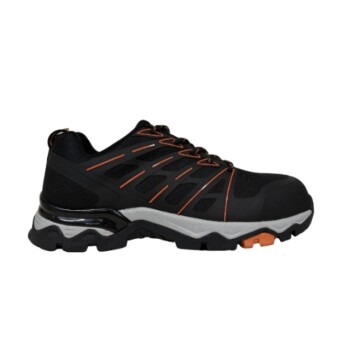
Professional-grade Safety Shoes serve as a critical defense system in heavy metal processing and welding environments by neutralizing immediate mechanical threats and environmental hazards. They utilize reinforced steel toes to deflect falling workpieces and heavy machinery, while employing puncture-resistant midsoles to block sharp metal scrap. Beyond physical barriers, these shoes provide essential electrical insulation and slip resistance to ensure worker stability on oily, hazardous floors.
Core Takeaway In high-risk heavy metal environments, safety footwear is not merely clothing but specialized Personal Protective Equipment (PPE). It functions as a comprehensive safety system that integrates impact resistance, electrical isolation, and biomechanical support to prevent both catastrophic trauma and long-term musculoskeletal injury.
Mitigating Mechanical Hazards
Impact and Crush Protection
In heavy metal processing, the risk of falling workpieces or interactions with heavy machinery is constant. Professional safety shoes address this by integrating high-strength protective toe caps, typically made of steel or composite materials.
These reinforced caps act as a rigid shield for the toes. They prevent devastating crush injuries that can occur when heavy metal components or equipment inadvertently strike the foot.
Defense Against Penetration
Welding and metalworking floors are often littered with sharp hazards, such as metal scrap, nails, or solidified welding slag. Standard footwear offers little resistance to these dangers.
Professional-grade shoes utilize puncture-resistant midsoles made from steel or advanced composites. These midsoles create a physical barrier within the shoe structure, preventing sharp objects from piercing the sole and injuring the foot while maintaining necessary durability.
Navigating Environmental Risks
Electrical Insulation
Welding environments introduce the specific danger of electrical leakage. Professional safety shoes are engineered to provide insulation against electrical currents.
This feature isolates the worker from the ground, significantly reducing the risk of electric shock during welding operations. It is a fundamental layer of protection for personnel handling live equipment.
Stability on Compromised Surfaces
Metal processing workshops frequently have floors compromised by oil, grease, or water. Slips and falls are a primary cause of occupational harm in these sectors.
High-quality safety footwear features slip-resistant outsoles designed for traction. This ensures the welder maintains a stable stance during operation, which is vital for both personal safety and the precision required in welding tasks.
The Role of Ergonomics in Safety
Alleviating Physical Stress
Worker safety extends beyond preventing acute accidents; it includes preventing chronic injury. Professional industrial boots are designed with ergonomic sole structures and arch support.
These features effectively alleviate pressure on the lower limbs and lower back. This is particularly critical for workers who endure prolonged standing or operate machinery pedals, such as sewing or press pedals.
Shock Absorption and Biomechanics
Superior shock absorption properties in these shoes reduce stress transmission throughout the body. This stabilization of lower limb biomechanics helps laborers maintain correct working postures.
By reducing fatigue, these shoes help workers avoid compensatory movements—such as abnormal bending or wrist exertion. Consequently, this reduces the risk of systemic and wrist-related occupational musculoskeletal disorders.
Understanding the Trade-offs
Weight vs. Protection
While steel toes and puncture-resistant plates offer maximum protection, they add significant weight to the footwear. Heavier shoes can increase leg fatigue over long shifts, potentially offsetting some ergonomic benefits if the user moves frequently.
Rigidity vs. Flexibility
The inclusion of puncture-resistant midsoles significantly enhances safety but can increase the rigidity of the sole. This acts as a trade-off against flexibility, potentially making the shoe feel stiffer and less responsive during complex movements on uneven terrain.
Making the Right Choice for Your Goal
To select the most effective safety footwear, you must align the shoe's specific features with the primary risks of your environment:
- If your primary focus is Heavy Machinery Operation: Prioritize shoes with reinforced steel toes to maximize protection against crushing injuries from falling workpieces.
- If your primary focus is Welding: Ensure the footwear is rated for electrical insulation and features oil-resistant, slip-proof soles to maintain stability.
- If your primary focus is Shift Endurance: Select footwear with advanced shock absorption and ergonomic arch support to minimize long-term musculoskeletal fatigue.
The right safety shoe transforms the foot from a vulnerable target into a stable, protected foundation for industrial work.
Summary Table:
| Feature | Protection Mechanism | Primary Industrial Benefit |
|---|---|---|
| Steel/Composite Toe | High-strength reinforced cap | Deflects falling workpieces & heavy machinery impacts |
| Puncture-Resistant Midsole | Steel or composite barrier | Blocks sharp metal scrap, nails, and welding slag |
| Electrical Insulation | Non-conductive materials | Minimizes risk of electric shock during welding |
| Slip-Resistant Outsole | Specialized traction patterns | Ensures stability on oily or grease-covered floors |
| Ergonomic Arch Support | Biomechanical stress reduction | Alleviates lower back pain and long-term fatigue |
Secure Your Workforce with Industrial-Grade Footwear
As a large-scale manufacturer serving global distributors and brand owners, 3515 offers comprehensive production capabilities for all footwear types, anchored by our flagship Safety Shoes series. Our extensive portfolio covers work and tactical boots, outdoor shoes, training shoes, and sneakers, as well as Dress & Formal shoes to meet your diverse bulk requirements.
Partner with us to provide your customers with high-performance protection that balances safety with ergonomic comfort. Contact us today to discuss your bulk manufacturing needs and discover the 3515 advantage!
References
- Manggi Dwi Cahyono, Devi Susiati. Analisis Risiko Bahaya Kesehatan dan Keselamatan kerja (K3) Pengelasan dengan Metode Fishbone Diagram dan Job Safety Analisis (JSA). DOI: 10.31004/jutin.v7i1.24073
This article is also based on technical information from 3515 Knowledge Base .
Related Products
- Premium Suede Sport Safety Shoes for Wholesale & Bulk Orders
- Premium Lightweight Safety Shoes for Wholesale & Bulk Orders
- Wholesale Anti-Smash & Puncture-Proof Safety Shoes Custom Manufacturing for Brands
- Premium KPU Injection Athletic Style Safety Shoes
- Premium Safety Shoes with Rotating Buckle Safety Sneakers
People Also Ask
- What industries have specific OSHA footwear requirements? Ensure Compliance & Protect Your Workforce
- What are the primary functions of professional safety shoes? Maximize Safety in Water Supply Confined Spaces
- What role do specialized safety shoes play in preventing falls? Engineering Stability in Industrial Environments
- How do I choose the best safety shoes? Match Certified Features to Your Hazards
- Why must safety training be synchronized with the provision of physical safety shoes? Achieve Optimal Workplace Protection