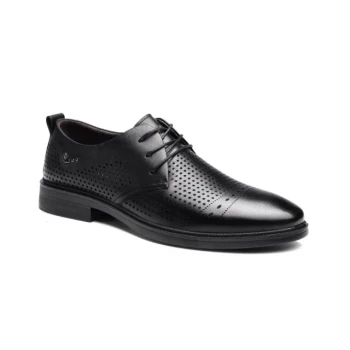
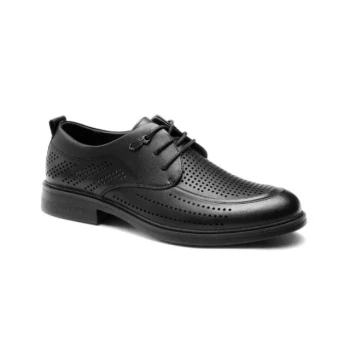
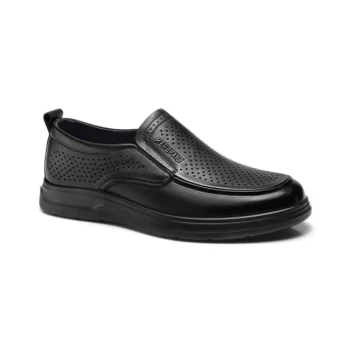
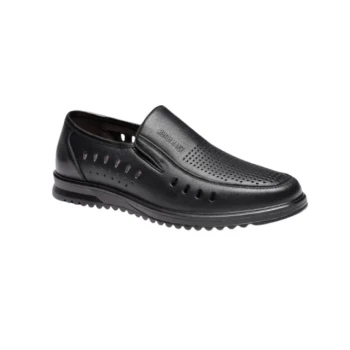
High-breathability inner lining acts as a critical biological firewall. It is essential for diabetic footwear because it facilitates efficient moisture-vapor transmission, ensuring the foot remains dry. By preventing moisture accumulation, these materials stop tissue maceration—the softening of skin due to wetness—and create a hostile environment for fungi and bacteria, thereby significantly reducing infection risks.
The integrity of diabetic skin is compromised by excess moisture; high-breathability linings solve this by actively regulating the foot's microenvironment to prevent the soft, damp conditions that invite microbial growth and infection.
Regulating the Foot Microenvironment
Moisture-Vapor Transmission
The primary function of a high-performance lining is to create an efficient moisture-vapor transmission mechanism.
This process actively moves perspiration and humidity away from the skin surface. By preventing moisture from becoming trapped against the foot, the material maintains the dryness required for skin health.
Preventing Tissue Maceration
When skin is exposed to prolonged dampness, it undergoes maceration, creating a soft, whitened, and soggy texture.
For a diabetic patient, macerated skin is exceptionally fragile and prone to breakdown. Breathable linings prevent this condition, ensuring the skin barrier remains intact and resilient against external friction.
Infection Prevention Strategies
Inhibiting Pathogen Growth
A damp, warm environment is a breeding ground for dangerous pathogens.
By ensuring rapid drying and consistent climate control, breathable linings inhibit the growth of fungi and bacteria. This is a core requirement of foot care, as it neutralizes the risk of opportunistic infections that thrive in humid conditions.
Direct Contact Protection
The lining is the only part of the shoe in direct contact with the foot.
It serves as the immediate interface between the patient and the footwear structure. Therefore, its ability to manage water vapor permeability is the first line of defense in maintaining a healthy foot microenvironment.
Understanding the Trade-offs
Comfort vs. Compliance
Breathability is not just a biological necessity; it is a critical factor in patient compliance.
If a shoe traps heat and sweat, it becomes uncomfortable, leading to "patient resistance" where the user avoids wearing the protective gear. Superior breathability enhances comfort, thereby extending the duration the patient is willing to wear the shoe and ensuring continuous protection.
Durability vs. Permeability
A common pitfall in footwear design is prioritizing mechanical strength at the cost of air circulation.
While linings must possess high levels of rub and abrasion resistance, they cannot sacrifice permeability. The ideal material achieves a balance, offering the mechanical durability to withstand daily wear while maintaining the "quick drying capacity" necessary for hygiene.
Making the Right Choice for Your Goal
To select the most effective protective footwear, you must align material properties with your specific health objectives:
- If your primary focus is Infection Control: Prioritize linings with high moisture-vapor transmission rates to prevent tissue maceration and inhibit bacterial growth.
- If your primary focus is Patient Compliance: Select materials that offer superior thermo-regulation and shock absorption to maximize daily wear comfort.
Ultimately, a protective shoe is only effective if the inner climate remains dry enough to preserve the integrity of the skin it protects.
Summary Table:
| Feature | Function in Diabetic Footwear | Key Benefit |
|---|---|---|
| Moisture Transmission | Moves perspiration away from skin | Prevents tissue maceration (skin softening) |
| Microbial Control | Eliminates damp, warm conditions | Inhibits growth of fungi and harmful bacteria |
| Thermo-regulation | Maintains stable internal temperature | Enhances patient comfort and wear compliance |
| Material Durability | High rub and abrasion resistance | Ensures long-term protection without losing airflow |
Partner with 3515 for High-Performance Diabetic Footwear Solutions
As a large-scale manufacturer serving global distributors and brand owners, 3515 offers comprehensive production capabilities across all footwear categories. We specialize in engineering high-breathability solutions for our flagship Safety Shoes, tactical boots, and medical-grade footwear to meet the rigorous demands of your market.
Whether you need bulk manufacturing for specialized diabetic shoes or custom sneakers and dress shoes, our expertise ensures your products deliver peak performance and safety. Contact us today to discuss your volume requirements and discover the value of our manufacturing excellence.
References
- Sanisah Saidi, Mohd Khairul Zul Hasymi Firdaus. Determining Knowledge and Practice of Self-Foot Care and Adherence of Patient on Self-Foot Assessment among Patients with Diabetes Mellitus. DOI: 10.31674/mjn.2023.v14i04.007
This article is also based on technical information from 3515 Knowledge Base .
Related Products
- Wholesale Breathable Perforated Leather Derby Dress Shoes for Custom Brands
- Wholesale Breathable Perforated Leather Derby Shoes with Modern Comfort Sole
- Custom Breathable Perforated Leather Derby Shoes for Wholesale & Brands
- Custom OEM Training Shoes Wholesale Manufacturer Durable & Breathable
- Wholesale Waterproof Tactical Boots Custom Suede & High-Traction Soles
People Also Ask
- How should you dry wet leather dress shoes? A Step-by-Step Guide to Save Your Investment
- How can you remove salt stains from leather dress shoes? Save Your Shoes with a Simple Vinegar Solution
- How often should leather dress shoes be cleaned and polished? A 3-Tier Care Guide for Longevity
- What are the basic steps to clean leather dress shoes? A Guide to Preserving Your Investment
- What are the main types of leather used in dress shoes? Find the Perfect Fit for Style & Durability