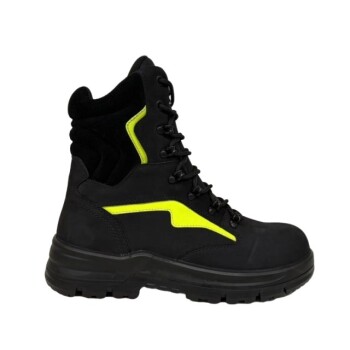
The primary function of specialized protective footwear is to serve as a critical physical barrier that isolates the poultry production environment from external biological threats. By mandating that all personnel switch to farm-specific shoes upon entry, you effectively sever the physical pathway that pathogens use to travel into poultry houses. This protocol is the definitive mechanism for blocking the introduction of viruses, bacteria, and parasites into the production core.
Specialized footwear acts as a biological firewall, ensuring that the "production core" remains distinct and isolated from the outside world. It is a direct, cost-effective intervention designed to eliminate the risk of foot-borne cross-contamination.
The Mechanics of Pathogen Exclusion
Severing the Transmission Pathway
The most vulnerable entry point for disease in a poultry facility is often the ground level. Pathogens do not move themselves; they are transported.
Specialized footwear disrupts this transport mechanism. By removing street shoes and donning farm-specific gear, you break the physical chain of transmission.
Protecting the Production Core
The "production core" refers to the area where the birds are housed. This area requires a strictly controlled biological status.
Protective footwear ensures that any external contaminants—whether viral, bacterial, or parasitic—remain outside this zone. It acts as a dedicated shield for the flock's immediate environment.
Strategic Benefits for Operations
Cost-Effective Risk Reduction
Compared to the financial devastation of a disease outbreak, protective footwear is a minimal investment.
The primary reference highlights this as a "direct and cost-effective method." It provides high-value protection for a relatively low operational cost.
Ensuring Poultry Health
The ultimate goal of biosecurity is the welfare of the stock.
By reducing cross-contamination risks, you directly impact the viability and health of the poultry. This leads to more stable production cycles and reduced reliance on reactive medical treatments.
Critical Considerations for Implementation
The Necessity of the "Change" Protocol
The protective value lies entirely in the changeover process.
Simply wearing boots is insufficient if they have traveled outside the facility. The protocol relies on the footwear being farm-specific, meaning it never leaves the biosecure zone.
Compliance is the Variable
The barrier is only as strong as the discipline of the personnel.
If a staff member bypasses the shoe change even once, the "physical pathway" for pathogens is re-established. Success depends on rigid adherence to the entrance protocol.
Optimizing Your Biosecurity Protocols
To maximize the effectiveness of protective footwear, align your procedures with your specific operational goals:
- If your primary focus is absolute disease prevention: Strictly enforce a "line of separation" where street shoes are removed before farm-specific footwear is touched, ensuring zero physical overlap.
- If your primary focus is cost management: Treat the procurement of high-quality, durable site-specific footwear as a foundational insurance policy that safeguards the larger investment in the flock.
By rigorously maintaining this barrier, you transform a simple change of shoes into a powerful tool for securing the biological integrity of your farm.
Summary Table:
| Feature | Primary Function | Biosecurity Impact |
|---|---|---|
| Physical Barrier | Isolates production core from external threats | Blocks entry of viruses, bacteria, and parasites |
| Transmission Disruption | Severs the ground-level pathway | Stops the physical transport of pathogens by personnel |
| Changeover Protocol | Mandates farm-specific footwear usage | Prevents external contaminants from entering the zone |
| Operational Strategy | Cost-effective risk reduction | Minimizes financial loss from disease outbreaks |
Secure Your Facility with Premium Protective Solutions
As a large-scale manufacturer serving distributors and brand owners, 3515 offers comprehensive production capabilities for all footwear types, anchored by our flagship Safety Shoes series. Our extensive portfolio covers work and tactical boots, outdoor shoes, training shoes, and sneakers, as well as Dress & Formal shoes to meet diverse bulk requirements.
Protect your investment and maintain the highest biosecurity standards with footwear designed for durability and decontamination. Contact us today to discuss how our manufacturing expertise can support your distribution needs and provide the reliable protection your customers demand.
References
- Andrea Laconi, Alessandra Piccirillo. Stakeholders’ Perceptions of Biosecurity Implementation in Italian Poultry Farms. DOI: 10.3390/ani13203246
This article is also based on technical information from 3515 Knowledge Base .
Related Products
- Premium Grain Leather Safety Boots for Bulk Supply
- Premium Waterproof Nubuck Safety Boots for Wholesale
- Safety Footwear Wholesale Manufacturer for Custom OEM/ODM Production
- Wholesale Customizable Safety Boots Durable & Protective Footwear Manufacturing
- Premium Safety Shoes with Rotating Buckle Safety Sneakers
People Also Ask
- Why is proper storage important for safety boots? Preserve Protection and Extend Lifespan
- What are the risks of using ordinary rubber boots in forest clearing? Why professional safety boots are essential
- What are the key features of safety boots? Essential Protection for Hazardous Workplaces
- Which organizations develop safety standards for work boots? Ensure Compliance & Worker Safety
- What materials are commonly used for outsoles in safety boots? A Guide to Durability, Grip, and Comfort