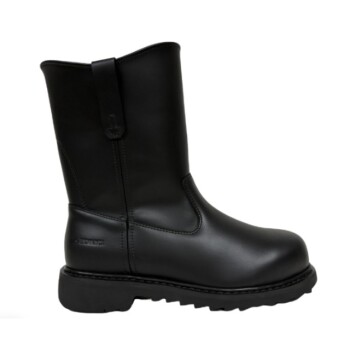
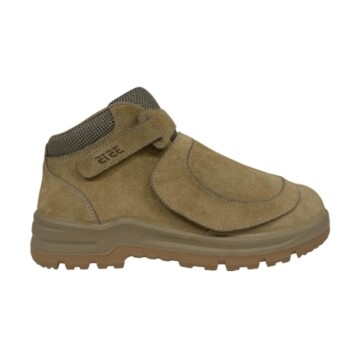
The primary function of high-strength midsoles is puncture resistance. In the hazardous environment of a construction site, these specialized layers act as a critical shield, preventing sharp objects such as nails, scrap metal, and jagged debris from penetrating the shoe and injuring the foot.
Core Takeaway Construction sites present a constant threat of underfoot hazards that standard footwear cannot withstand. High-strength midsoles provide a resilient, integrated barrier that ensures the structural integrity of the foot remains compromised even when stepping directly on sharp, piercing materials.
The Mechanics of Underfoot Protection
Defending Against Penetrating Hazards
Construction sites are frequently littered with dangerous debris. High-strength midsoles are specifically designed to counter the risk of stepping on sharp objects like nails and steel scraps.
Without this layer, the weight of the worker combined with the sharpness of the object would easily pierce a standard shoe. The midsole acts as an impenetrable armor between the ground and the sole of the foot.
Ensuring Structural Integrity
The goal of this safety feature is to maintain the integrity of the foot. By integrating a resilient layer into the footwear, the shoe absorbs and stops the intrusion of hazardous materials.
This allows workers to move confidently across complex surfaces, knowing that hidden dangers underfoot will not result in debilitating puncture wounds.
The Role of Midsoles in a Complete Safety System
Complementing Impact Protection
While the midsole protects the bottom of the foot, it is part of a broader safety ecosystem. Professional safety shoes typically pair these midsoles with protective toe caps.
This ensures that the foot is protected from both sides: the midsole stops piercing from below, while the toe cap prevents injuries from heavy falling objects from above.
Distinction from Traction Features
It is important to distinguish the role of the midsole from the outsole. While slip-resistant outsoles are vital for traction on slick surfaces, they provide surface grip rather than penetration resistance.
The high-strength midsole sits above the outsole, serving specifically as the puncture barrier, while the outsole handles stability and slip prevention.
Understanding the Limitations
Specificity of Protection
It is critical to understand that a high-strength midsole is a single-purpose component. It is engineered strictly to stop sharp objects from piercing the sole.
It does not offer protection against crushing impact on the toes or ankle twists. Therefore, a midsole alone is insufficient for total safety; it must be verified as part of a comprehensive shoe specification that includes toe protection and proper ankle support.
Material Limitations
While these midsoles are "high-strength," they are designed for standard construction hazards like nails and scrap metal. Extremely specialized hazards or unusual industrial spikes may require specific ratings beyond standard construction footwear.
Making the Right Choice for Your Goal
When selecting safety footwear for construction environments, you must align the specifications with the specific risks of the site.
- If your primary focus is Puncture Prevention: Prioritize footwear explicitly labeled with high-strength or puncture-resistant midsoles to neutralize the threat of nails and scrap metal.
- If your primary focus is Total Site Safety: Select footwear that combines the high-strength midsole with a protective toe cap and slip-resistant outsole for 360-degree protection.
The right midsole transforms a standard work boot into a vital piece of personal protective equipment that keeps you mobile and safe.
Summary Table:
| Feature | Function | Primary Benefit |
|---|---|---|
| Puncture Resistance | Blocks sharp objects (nails, metal) | Prevents debilitating sole penetration |
| Structural Integrity | Integrated armor layer | Ensures worker mobility and confidence |
| System Integration | Pairs with protective toe caps | Delivers 360-degree top and bottom safety |
| Material Strength | High-tensile barrier | Neutralizes industrial underfoot hazards |
Partner with 3515 for Industry-Leading Safety Footwear Solutions
As a large-scale manufacturer serving distributors and brand owners, 3515 offers comprehensive production capabilities for all footwear types, anchored by our flagship Safety Shoes series. Our extensive portfolio covers work and tactical boots, outdoor shoes, training shoes, and sneakers, as well as Dress & Formal shoes to meet diverse bulk requirements.
We provide high-strength midsole integration and customizable puncture-resistant technologies to ensure your brand delivers maximum protection. Contact us today to discuss your volume requirements and let us help you build a safer product line.
References
- Ganjar Jojon Johari, Ispi Taopik. Pengaruh Keselamatan dan Kesehatan Kerja di Proyek Penataan Kawasan Pariwisata Situ Bagendit Kabupaten Garut. DOI: 10.33364/konstruksi/v.20-1.1065
This article is also based on technical information from 3515 Knowledge Base .
Related Products
- High Performance Fire-Retardant Waterproof Safety Boots
- Premium Wholesale Waterproof Safety Boots High Performance Protection for Industrial Markets
- Premium Waterproof High-Cut Industrial Safety Boots for Wholesale and Bulk Orders
- Heavy-Duty Goodyear Welted Pull-On Safety Rigger Boot
- Premium Suede Metatarsal Guard Safety Boots Work Shoes
People Also Ask
- Why are waterproof safety boots recommended for certain work environments? Essential Protection for Wet & Hazardous Jobs
- What roles do 3D vision systems and industrial robots play in the manufacturing of fire safety boots? Smart Automation
- How can you ensure your feet stay dry during winter walks? A Two-Part Defense System for Total Comfort
- What should you look for to ensure boots are fully waterproof? The Essential 2-Part System
- What materials make waterproof boots durable? The Ultimate Guide to Long-Lasting Footwear