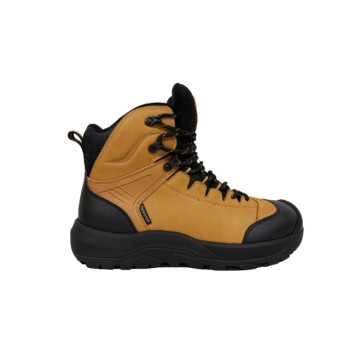
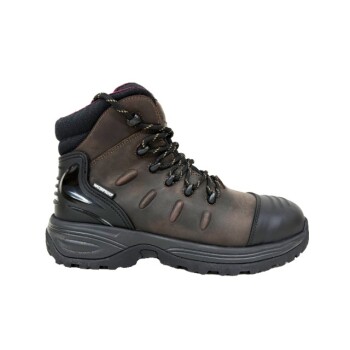
At their core, 800-gram insulated boots are engineered for very cold conditions where you will be stationary or moving very little. They are often rated for temperatures as low as -62°C / -80°F, making them a standard choice for low-activity pursuits like stand hunting or ice fishing in harsh winter weather.
The key to selecting the right boot is understanding that insulation "grams" must be balanced against your personal activity level. The number on the tag is less important than how you intend to use the boot.
The Principle: Activity vs. Insulation
Choosing insulated footwear isn't about finding the highest number. It's about finding the right equilibrium between the external temperature and the heat your body generates.
What "Grams" Actually Means
The "gram" number on a boot refers to the weight of the insulation material (like Thinsulate™) per square meter of fabric.
A higher gram number means the insulation is denser and thicker, allowing it to trap more dead air. This trapped air is what slows the transfer of heat from your foot to the cold environment.
The Problem with Over-Insulating
Your body is a furnace during high activity. If your boots are too insulated, your feet will sweat.
Moisture is the enemy of warmth. A wet foot will lose heat dramatically faster than a dry one, leading to cold, discomfort, and even frostbite, no matter how high the boot's insulation rating is.
Matching Insulation to Your Activity Level
The most common mistake is buying boots for the coldest temperature you can imagine, ignoring how much you'll be moving.
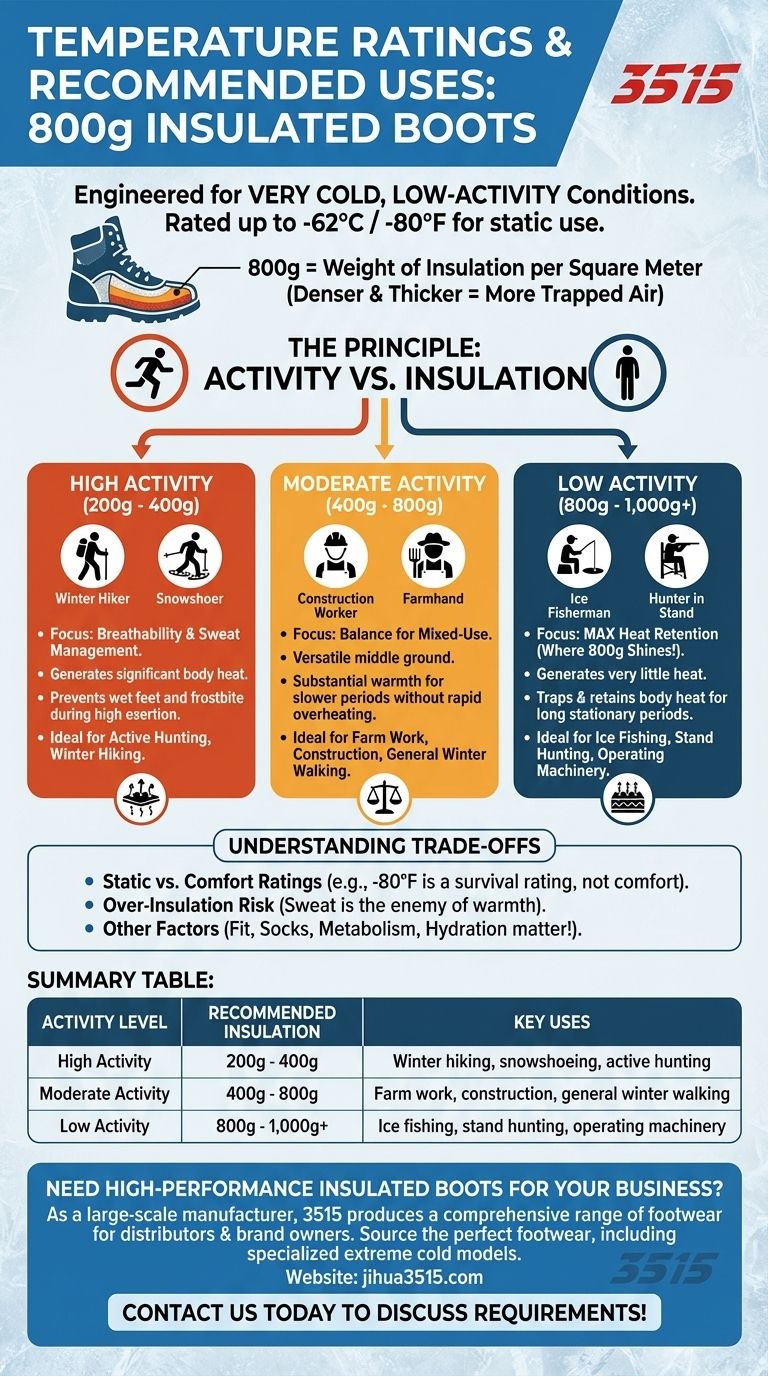
High Activity: 200g - 400g
For activities like winter hiking, snowshoeing, or active hunting, your body generates significant heat.
Lower insulation levels (typically 200g to 400g) are ideal. They provide enough warmth to prevent freezing when you stop but are breathable enough to let sweat escape while you're moving.
Moderate Activity: 400g - 800g
This is the versatile middle ground for mixed-use scenarios, like general farm work, construction, or walking in cold but not extreme conditions.
An insulation level of 400g to 800g offers a balance, providing substantial warmth for slower periods without causing rapid overheating during moderate exertion.
Low Activity: 800g - 1,000g+
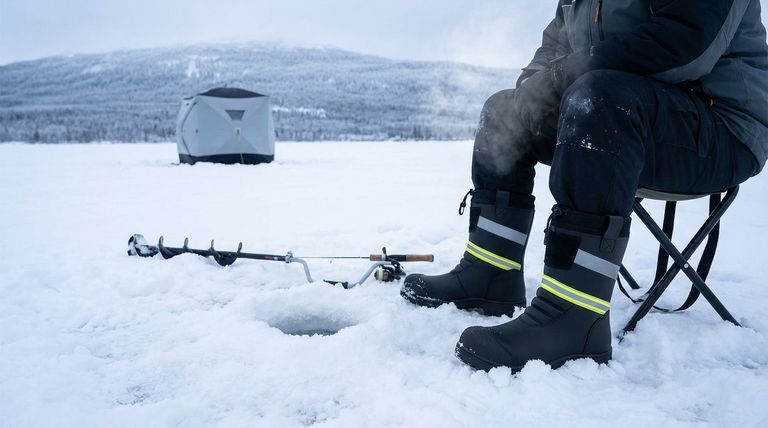
When you are stationary for long periods—ice fishing, sitting in a hunting blind, or operating machinery—your body generates very little heat.
This is where 800g boots shine. Heavier insulation levels, from 800g to over 1,000g, are required to trap and retain what little body heat you produce.
Understanding the Trade-offs
Manufacturer temperature ratings can be misleading. They are a helpful guide but are not a guarantee of comfort in the real world.
Static vs. Comfort Ratings
Many extreme temperature ratings (like -80°F) are static or survival ratings. This often means the boot can prevent frostbite for a limited time at that temperature while you are completely still.
It is not a "comfort" rating, which would imply you could remain comfortable for extended periods.
Other Factors Are Critical
The performance of your boot is heavily influenced by other variables.
A boot that is too tight will restrict blood flow, leading to cold feet regardless of insulation. The quality of your socks, your personal metabolism, and overall hydration also play significant roles in how warm your feet feel.
How to Make the Right Choice
Focus on your most common use case to select the ideal insulation level for your needs.
- If your primary focus is high-exertion activity: Choose a lower insulation level (200g-400g) to prioritize breathability and prevent your feet from getting wet with sweat.
- If your primary focus is stationary activity in very cold weather: You need a higher insulation level (800g or more) to compensate for your body's lack of heat production.
- If your primary focus is all-purpose winter use with varied activity: Start with a mid-range boot (400g-800g) and adjust based on your personal circulation and local climate.
By matching your insulation to your activity level, you ensure your feet remain both warm and dry.
Summary Table:
| Activity Level | Recommended Insulation | Key Uses |
|---|---|---|
| High Activity | 200g - 400g | Winter hiking, snowshoeing, active hunting |
| Moderate Activity | 400g - 800g | Farm work, construction, general winter walking |
| Low Activity | 800g - 1,000g+ | Ice fishing, stand hunting, operating machinery |
Need high-performance insulated boots for your business? As a large-scale manufacturer, 3515 produces a comprehensive range of footwear for distributors, brand owners, and bulk clients. Our production capabilities encompass all types of shoes and boots, including specialized insulated models for extreme cold. Let us help you source the perfect footwear for your customers' needs. Contact us today to discuss your requirements!
Visual Guide
Related Products
- Premium Insulated Safety Boots and Shoes for Wholesale & Bulk Orders
- High Performance Fire-Retardant Waterproof Safety Boots
- Premium Wholesale Waterproof Safety Boots High Performance Protection for Industrial Markets
- High-Traction Suede Tactical Boots Wholesale & Custom Manufacturing
- Wholesale Durable Leather Work Boots | 8-Inch Goodyear Welt Manufacturer
People Also Ask
- What are the recommended insulation ratings for mild winter conditions? A Guide for Active & Stationary Workers
- How does insulation thickness correlate with temperature ranges? A Guide to Choosing the Right Warmth
- What insulation level is needed for severe cold and stationary work? 1200g or Higher is Essential
- What safety advantages do insulated boots offer beyond warmth? Dielectric Protection & Superior Grip
- How does fleece lining contribute to the warmth of insulated boots? Trapping Air for Superior Cold Protection