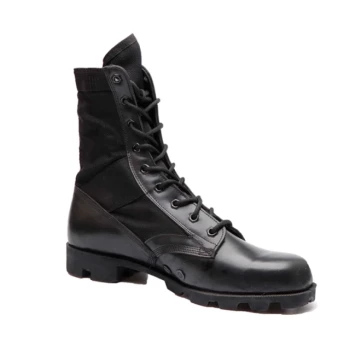
To identify a durable, high-quality boot, you must look beyond the brand and focus on three fundamental components: the grade of the upper material, the design of the sole system, and the method used to attach them. The most resilient boots typically feature full-grain leather uppers, a multi-layered sole for support and traction, and a Goodyear welt construction that ensures they can be repaired for years of service.
A truly durable boot is not defined by a single feature, but by how its core components—the upper, midsole, outsole, and construction method—work together as an integrated system designed for a specific purpose. Understanding this system is the key to investing in footwear that will not fail you.
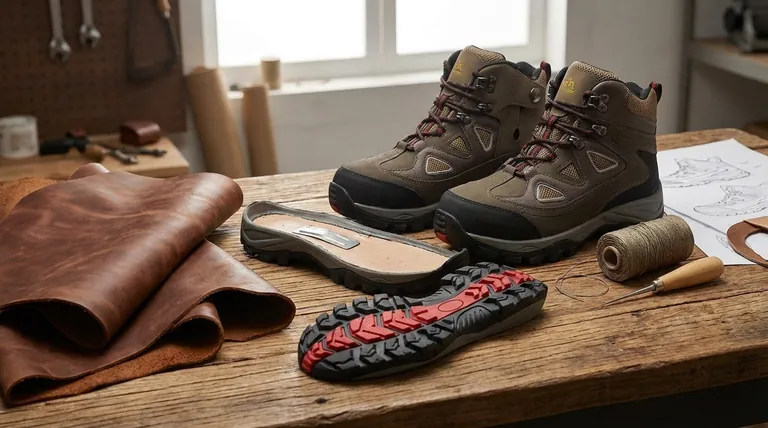
Deconstructing the Boot: The Four Pillars of Durability
A quality boot is an engineered product. Each part has a distinct role in providing protection, support, and longevity. By evaluating these four areas, you can accurately judge the quality of any boot.
The Upper: Your First Line of Defense
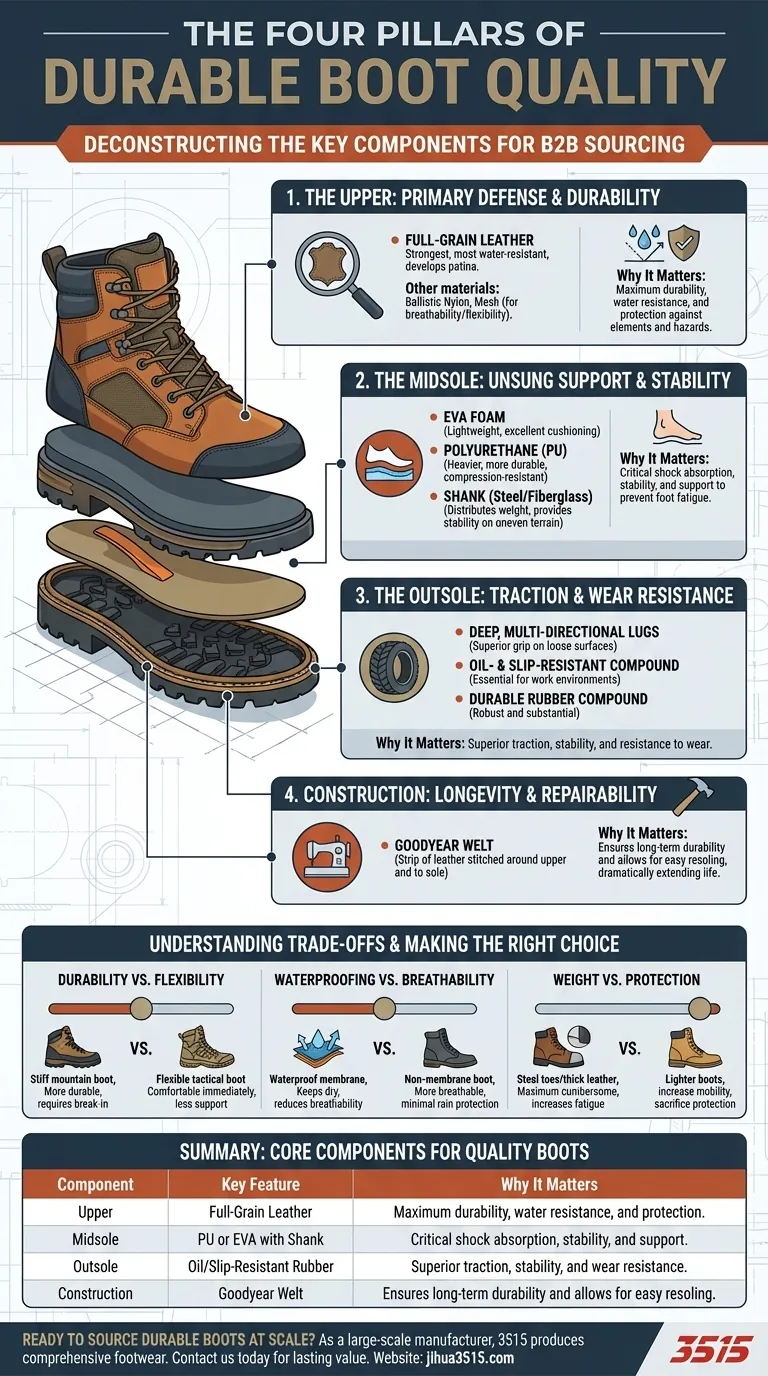
The upper is everything above the sole, and it's your primary shield against the elements and workplace hazards. Its material dictates the boot's breathability, water resistance, and overall resilience.
Look for full-grain leather as the gold standard for durability. It is the strongest and most water-resistant part of the hide and develops a unique patina over time. Other materials like ballistic nylon or mesh panels are often used in tactical or hiking boots to enhance breathability and flexibility at the cost of some ruggedness.
The Midsole: The Unsung Hero of Support
Sandwiched between the insole you feel and the outsole that hits the ground, the midsole provides crucial shock absorption and stability. A poor midsole leads to foot fatigue and long-term discomfort.
Common materials include EVA foam, which is lightweight and offers excellent cushioning, and polyurethane (PU), which is heavier but significantly more durable and compression-resistant. Many high-end boots also incorporate a shank—a rigid piece of steel or fiberglass in the midfoot—to distribute weight properly and provide stability on uneven terrain.
The Outsole: Where Rubber Meets the Road
This is the layer that makes direct contact with the ground. Its design is critical for traction, stability, and resistance to wear. A quality outsole is not just a flat piece of rubber.
Look for features like deep, multi-directional lug patterns for superior grip on loose or slippery surfaces. For work environments, an oil- and slip-resistant compound is non-negotiable. The material itself, typically a durable rubber compound, should feel robust and substantial.
Construction: How It All Holds Together
The method used to attach the upper to the sole is perhaps the single most important indicator of a boot's longevity and repairability.
The most durable and time-tested method is the Goodyear welt. This involves a strip of leather stitched around the bottom edge of the upper and then to the sole. This creates an incredibly strong, water-resistant bond and, most importantly, allows a cobbler to easily replace the sole, dramatically extending the boot's life.
Understanding the Trade-offs
There is no single "best" boot, only the best boot for a specific task. Every design choice involves a trade-off, and knowing these will help you make a smarter decision.
Durability vs. Flexibility
A thick, full-grain leather mountain boot is incredibly durable and supportive but will be stiff and require a significant break-in period. In contrast, a tactical boot made with nylon and a flexible sole is comfortable immediately but will offer less support for carrying heavy loads and may not last as long under hard use.
Waterproofing vs. Breathability
Boots with a waterproof membrane are excellent for keeping your feet dry in wet conditions. However, that same membrane inherently reduces breathability, which can lead to sweaty, uncomfortable feet in warm weather. A boot without a membrane will be far more breathable but offers minimal protection from rain or puddles.
Weight vs. Protection
Features that enhance protection and durability—like steel toes, thick leather, and dense rubber outsoles—inevitably add weight. A heavier boot provides maximum security but can feel cumbersome and increase fatigue over a long day. Lighter boots increase mobility but do so by sacrificing some of the most protective materials.
Making the Right Choice for Your Goal
To select the right boot, first define your primary need. Your intended use will determine which features to prioritize.
- If your primary focus is heavy-duty work or maximum longevity: Prioritize a full-grain leather upper and Goodyear welt construction for its unmatched durability and repairability.
- If your primary focus is hiking or tactical performance: Look for a balanced system with a supportive PU midsole, an aggressive outsole for traction, and a durable upper that may blend leather with synthetic panels for breathability.
- If your primary focus is all-day comfort in a casual setting: A boot with a cushioned EVA midsole and a more flexible, non-welted construction will likely provide the most immediate comfort.
Understanding these core components empowers you to look beyond the brand and invest in a boot truly built to last.
Summary Table:
| Component | Key Feature | Why It Matters |
|---|---|---|
| Upper | Full-Grain Leather | Maximum durability, water resistance, and protection. |
| Midsole | PU or EVA with Shank | Critical shock absorption, stability, and support. |
| Outsole | Oil/Slip-Resistant Rubber | Superior traction, stability, and wear resistance. |
| Construction | Goodyear Welt | Ensures long-term durability and allows for easy resoling. |
Ready to source durable, high-quality boots at scale?
As a large-scale manufacturer, 3515 produces a comprehensive range of footwear for distributors, brand owners, and bulk clients. Our production capabilities encompass all types of durable boots and shoes, built with the precise components detailed above to meet your specific market needs.
Contact us today to discuss your project and discover how we can deliver lasting value and quality to your customers.
Visual Guide
Related Products
- Durable Leather Work Boots Wholesale Manufacturer & Custom Factory
- Wholesale Durable Safety Boots | Custom Steel Toe & Puncture-Resistant Manufacturing
- Durable Steel Toe Safety Boots Wholesale & Custom Manufacturing
- Durable Leather Work Boots for Wholesale & Custom Manufacturing
- Durable Waterproof Rain Boots | Custom Manufacturer for Wholesale & Brands
People Also Ask
- What are the common workplace hazards that can be mitigated with the right work boots? Protect Your Workforce
- What certification standard do all work boots meet? Your Guide to ASTM F2413 & Beyond
- How do subjective norms influence the marketing of work boots and tactical footwear? Leverage Social Identity for Sales
- What are the main differences between 6 inch and 8 inch boots? Support vs. Mobility Explained
- Which brands are known for high-quality work boots? A Guide to Durable, Safe Footwear