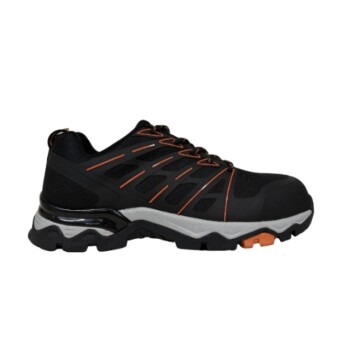
Conductive Adhesives offer a distinct advantage over traditional lead-tin soldering in smart safety shoe production by utilizing a "cold connection" process. This method enables the bonding of electronic components to textile conductive paths without subjecting heat-sensitive fibers to the damaging temperatures required by conventional soldering.
The core value of Conductive Adhesives lies in their organic polymer matrix. This structure provides the necessary flexibility and vibration resistance to withstand the rigors of footwear usage, while simultaneously protecting the textile substrate from thermal degradation.
Eliminating Thermal Damage
The "Cold Connection" Solution
Traditional soldering relies on high heat to melt metal, which is fundamentally incompatible with most textiles. Conductive Adhesives utilize conductive fillers, such as silver or carbon black, to create a solid electrical connection at much lower temperatures.
Preserving Textile Integrity
By avoiding high-temperature processing, you eliminate the risk of burning, melting, or weakening the shoe's fabric. This ensures the structural integrity of the safety shoe is maintained even where electronics are embedded.
Engineering for Durability and Movement
Superior Flexibility
Smart safety shoes require components that move with the wearer. The organic polymer matrix found in Conductive Adhesives is inherently flexible, unlike rigid lead-tin solder joints which are prone to cracking under stress.
Critical Vibration Resistance
Footwear is subjected to constant impact and vibration. Conductive Adhesives offer superior resistance to these forces, absorbing the mechanical stress that occurs during walking or running.
Application in Protective Gear
This durability is specifically beneficial for athletic sneakers and safety protective boots. These applications demand a bond that can survive frequent movement without mechanical failure.
Understanding the Trade-offs: Rigidity vs. Compliance
The Rigidity Problem
Traditional lead-tin soldering creates a hard, brittle joint. While electrically sound on a circuit board, this rigidity creates a stress point on soft textiles that leads to premature failure when the shoe flexes.
The Flexible Alternative
Conductive Adhesives trade the absolute rigidity of metal for compliant connectivity. This allows the electronic connection to bend and flex in unison with the shoe's material, rather than fighting against it.
Making the Right Choice for Your Project
To determine if Conductive Adhesives are the right solution for your specific smart footwear application, consider your primary performance goals:
- If your primary focus is Substrate Preservation: Use Conductive Adhesives to bond electronics to heat-sensitive textiles without causing thermal damage to the fibers.
- If your primary focus is Mechanical Longevity: Choose this method to ensure connections remain intact despite the constant flexion and high-impact vibration typical of safety boots.
Conductive Adhesives bridge the gap between rigid electronics and soft textiles, enabling smart functionality without compromising the shoe's physical structure.
Summary Table:
| Feature | Lead-Tin Soldering | Conductive Adhesives |
|---|---|---|
| Bonding Temperature | High Heat (Risk to Textiles) | Low Temperature ("Cold Connection") |
| Material Flexibility | Rigid & Brittle | High (Organic Polymer Matrix) |
| Vibration Resistance | Poor (Prone to Cracking) | Superior (Absorbs Impact) |
| Substrate Compatibility | PCB/Metal Only | Textiles, Fibers, and Fabrics |
| Mechanical Stress | Creates Stress Points | Distributes Stress via Compliance |
Elevate Your Smart Footwear Manufacturing with 3515
As a leading large-scale manufacturer serving global distributors and brand owners, 3515 specializes in integrating cutting-edge technology with high-performance footwear. Whether you are developing advanced Safety Shoes, tactical boots, or smart sneakers, our comprehensive production capabilities ensure your products meet the highest standards of durability and innovation.
Why partner with 3515?
- Expert Integration: Seamlessly embedding electronics into heat-sensitive textiles.
- Diverse Portfolio: From our flagship Safety Shoes to outdoor, training, and formal footwear.
- Bulk Scalability: Robust manufacturing infrastructure to support large-scale distribution.
Ready to enhance your product line with superior flexible connectivity and structural integrity? Contact us today to discuss your project requirements!
References
- Aleksandra Ivanoska-Dacikj, Bruno Mougin. Smart textiles: Paving the way to sustainability. DOI: 10.20450/mjcce.2024.2821
This article is also based on technical information from 3515 Knowledge Base .
Related Products
- Premium KPU Athletic Safety Shoes for Wholesale
- Premium KPU Injection Athletic Style Safety Shoes
- Advanced KPU Athletic Safety Shoe with Steel Toe Cap Anti-Slip Rotary Lacing System
- Premium Wholesale Tactical Style Safety Shoes Boots with Quick Lacing
- Premium Lightweight Safety Shoes for Wholesale & Bulk Orders
People Also Ask
- What workplace hazards indicate the need for safety shoes? Identify risks to protect your workforce.
- What role does blockchain play in footwear supply chain transparency? Enhance Safety Shoe Traceability and Verification
- How is the absence of PPE (safety shoes & helmets) categorized in construction motion data labeling? Unlock Real-Time Safety Insights!
- What is a recommended alternative to using hairspray for slip resistance? Ditch Unreliable Hacks for Real Safety
- What role do specialized safety shoes play in preventing falls? Engineering Stability in Industrial Environments