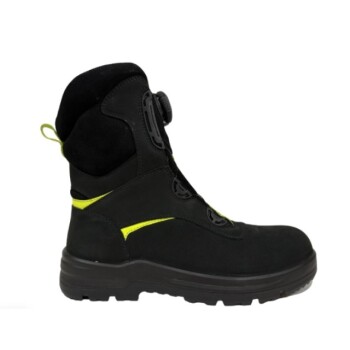
The primary advantages of PVC boots are their excellent value, lightweight nature, and reliable protection against water and many chemicals. These attributes make them a practical choice for a wide range of general-purpose and light industrial applications where dependable, low-cost footwear is the priority.
PVC boots represent a pragmatic balance of protection and affordability. While they may not offer the long-term durability or flexibility of premium rubber, their combination of waterproofing, chemical resistance, and low weight makes them the superior choice for specific tasks and budgets.
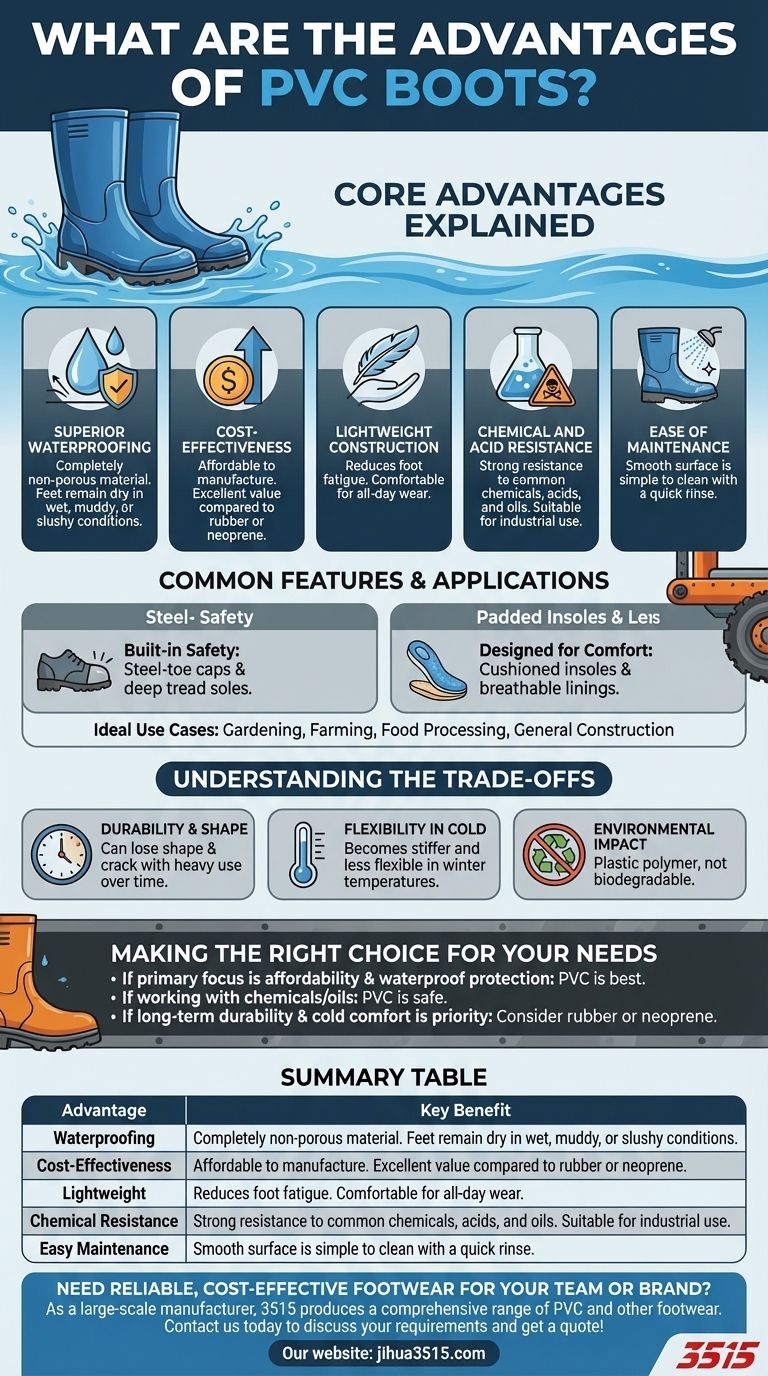
The Core Advantages of PVC Explained
Superior Waterproofing
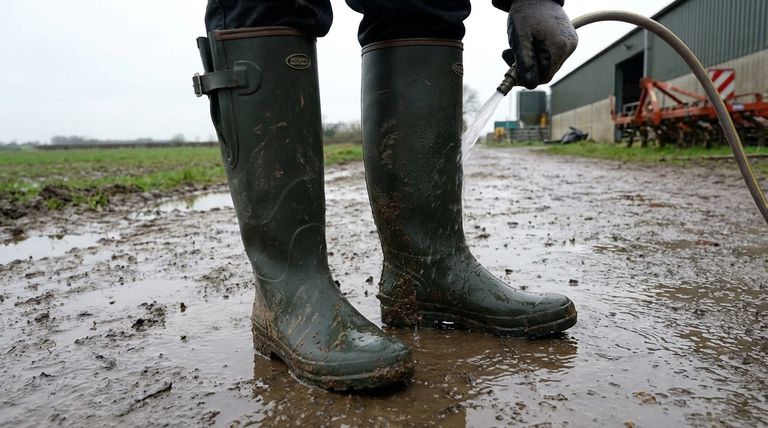
PVC (polyvinyl chloride) is an inherently non-porous material. This creates a completely waterproof barrier, ensuring your feet remain dry and comfortable in wet, muddy, or slushy conditions.
Cost-Effectiveness
One of the most significant advantages of PVC is its affordability. PVC boots are generally less expensive to manufacture than those made from materials like natural rubber or neoprene, making them an accessible option for many users.
Lightweight Construction
PVC boots are notably lightweight. This reduces foot fatigue and makes them more comfortable to wear for extended periods, especially for jobs or activities that require being on your feet all day.
Chemical and Acid Resistance
PVC offers strong resistance to a wide range of substances, including many common chemicals, acids, and oils. This makes them a suitable choice for agricultural, cleaning, or light industrial environments where exposure is a concern.
Ease of Maintenance
The smooth, non-porous surface of PVC boots makes them incredibly easy to clean and maintain. A simple rinse is often all that is needed to remove mud and contaminants.
Common Features and Applications
Built-in Safety
Many PVC work boots are available with integrated safety features. This commonly includes steel-toe caps for impact protection and deep tread soles to provide better traction on slippery surfaces.
Designed for Comfort
While the base material is stiffer than rubber, manufacturers often enhance comfort with features like cushioned, replaceable insoles and soft, breathable linings to improve the wearing experience.
Ideal Use Cases
PVC boots excel in environments like gardening, farming, food processing, and general construction cleanup. They are a reliable choice wherever waterproof protection and chemical resistance are needed without the demand for extreme durability.
Understanding the Trade-offs
Durability and Shape
The primary trade-off for PVC's affordability is long-term durability. Over time and with heavy use, PVC can lose its original shape and is more prone to cracking than natural rubber.
Flexibility in Cold
PVC tends to become stiffer and less flexible in cold temperatures. This can reduce comfort and mobility in winter conditions compared to more pliable materials like rubber.
Environmental Impact
It is important to note that PVC is a plastic polymer and is not biodegradable. This is a consideration for environmentally conscious consumers.
Making the Right Choice for Your Needs
Choosing the right boot depends entirely on your specific requirements and budget.
- If your primary focus is affordability and basic waterproof protection: PVC boots offer exceptional value and are likely the best choice for your needs.
- If you work with chemicals, oils, or acids: The inherent resistance of PVC makes it a safe and practical option for light to moderate exposure.
- If your priority is long-term durability, flexibility, and cold-weather comfort: You may find that investing in a higher-quality rubber or neoprene boot is more suitable.
Ultimately, understanding these key differences empowers you to select the footwear that provides the right protection for your task.
Summary Table:
| Advantage | Key Benefit |
|---|---|
| Waterproofing | Completely non-porous barrier keeps feet dry. |
| Cost-Effectiveness | More affordable than rubber or neoprene options. |
| Lightweight | Reduces foot fatigue for all-day wear. |
| Chemical Resistance | Protects against common acids, oils, and chemicals. |
| Easy Maintenance | Smooth surface is simple to clean with a rinse. |
Need reliable, cost-effective footwear for your team or brand?
As a large-scale manufacturer, 3515 produces a comprehensive range of PVC and other footwear for distributors, brand owners, and bulk clients. We offer the perfect balance of protection, comfort, and value to meet your specific needs.
Contact us today to discuss your requirements and get a quote!
Visual Guide
Related Products
- Premium Wholesale Waterproof Safety Boots High Performance Protection for Industrial Markets
- High-Traction Suede Tactical Boots Wholesale & Custom Manufacturing
- High Performance Fire-Retardant Waterproof Safety Boots
- Premium Waterproof High-Cut Industrial Safety Boots for Wholesale and Bulk Orders
- Wholesale Waterproof Tactical Boots Custom Suede & High-Traction Soles
People Also Ask
- What weather and chemical protections do premium boots offer? Your Complete Guide to Safety & Performance
- Why are waterproof safety boots recommended for certain work environments? Essential Protection for Wet & Hazardous Jobs
- What are the primary protective functions of industrial safety boots in oil palm plantations? Master Rough Terrain Safety
- Why are oil-resistant and anti-slip properties critical for industrial safety boots? Expert Outsole Engineering Guide
- What are the best types of shoes for different gardening conditions? Find Your Perfect Match.