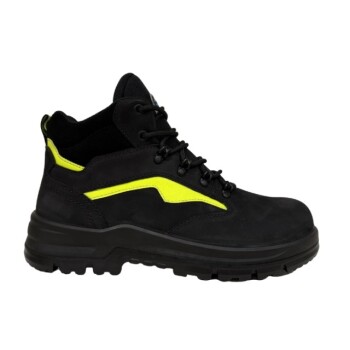
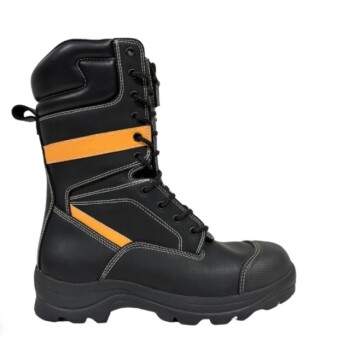
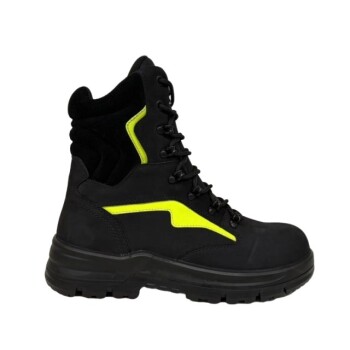
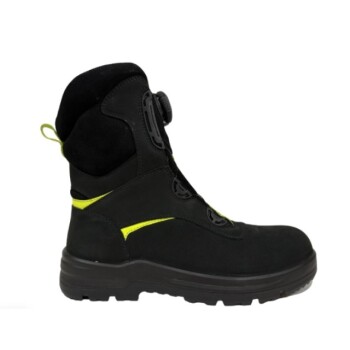
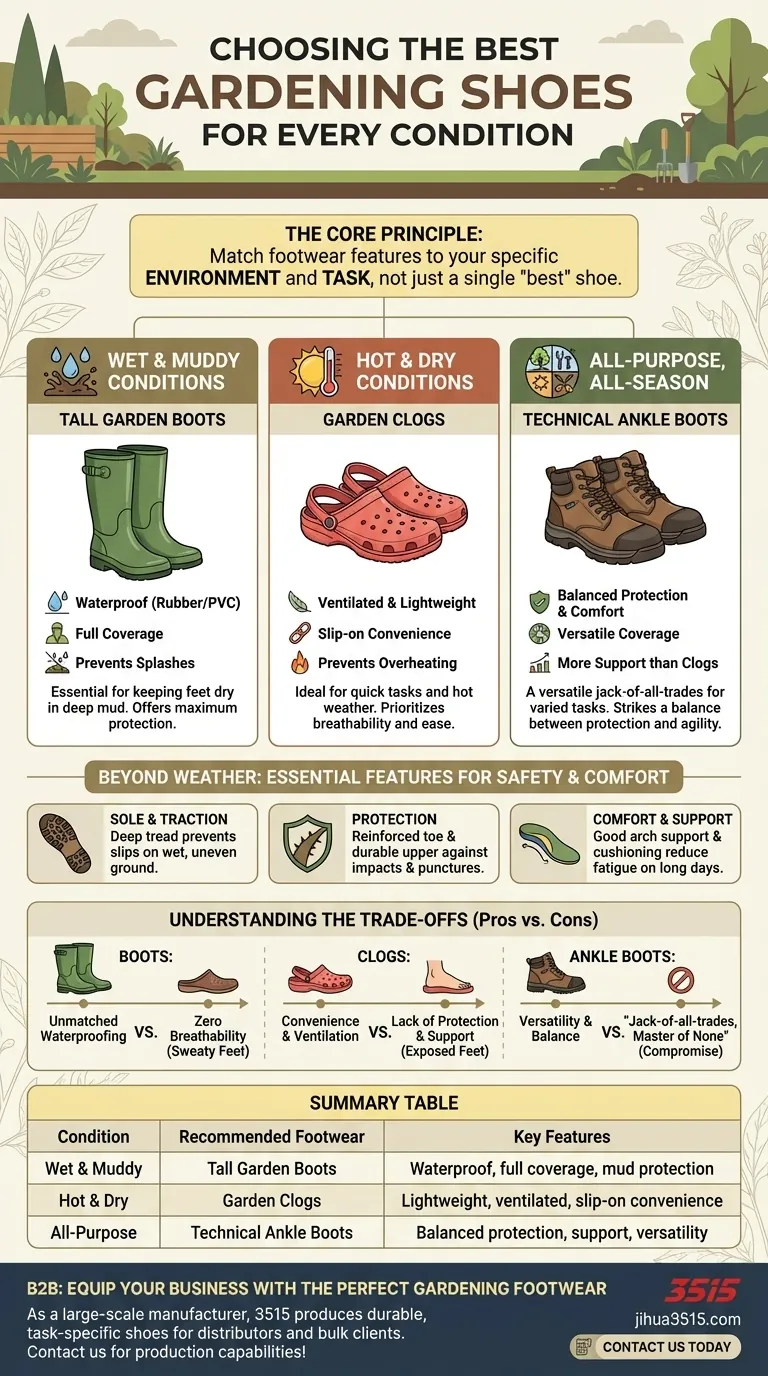
The best type of gardening shoe depends entirely on your specific conditions and the tasks you perform. For wet, muddy work, tall waterproof boots are essential. For quick, dry tasks in the heat, ventilated clogs are suitable. For a versatile, all-season option, technical ankle boots or closed-toe clogs provide a balance of protection and comfort.
The core principle is not to find a single "best" gardening shoe, but to match the shoe's specific features—like waterproofing, breathability, and protection—to the environment and the job at hand.
Matching the Shoe to the Environment
Your local climate and soil conditions are the primary factors in choosing the right footwear. A shoe that excels in one scenario can be a significant liability in another.
For Wet & Muddy Conditions
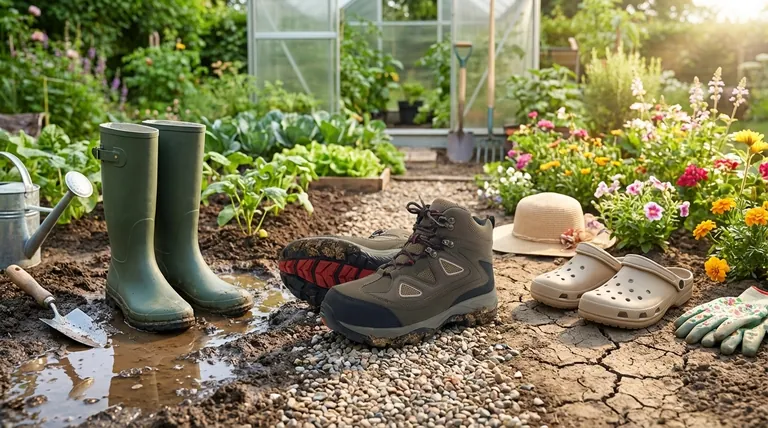
The definitive choice for wet or muddy gardens is a pair of garden boots.
Typically made from waterproof rubber or PVC, their primary benefit is keeping your feet completely dry. The taller height is also critical for preventing water and mud from splashing over the top during active work.
For Light Tasks & Hot Weather
For quick trips to the garden or working in dry, hot weather, garden clogs are an excellent option.
Their key features are light weight and ventilation, which prevent your feet from overheating. Their slip-on nature also makes them incredibly convenient for moving between the house and the garden.
For All-Purpose, All-Season Work
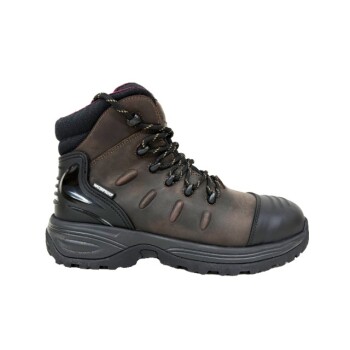
When you need a single shoe for varied tasks across intermediate seasons, consider technical ankle boots or closed-toe clogs.
These options strike a crucial balance between protection and comfort. They offer more coverage and support than an open clog but are less cumbersome and hot than a full-height rubber boot, making them highly versatile.
Beyond Weather: Considering the Task at Hand
While weather is a primary concern, the nature of your gardening work introduces safety and comfort requirements that draw lessons from professional-grade footwear.
The Importance of Sole & Traction
Gardening often involves walking on uneven, loose, or slippery surfaces. A shoe with a deep, aggressive tread provides superior traction, reducing the risk of slips and falls, especially when the ground is wet.
Protection from Hazards
A simple clog offers little defense against hazards like sharp rocks, thorns, or a dropped pair of pruning shears. A sturdier shoe with a reinforced toe and durable upper material provides essential protection against impacts and punctures.
Comfort and Support for Long Days
If you spend hours on your feet digging, planting, or weeding, you need proper support. Look for shoes with good arch support and cushioning to reduce fatigue and prevent foot pain.
Understanding the Trade-offs
No single shoe is perfect for every situation. Being aware of the inherent compromises in each design is key to making an informed decision.
The Boot's Limitation: Breathability
While tall rubber boots are unmatched for waterproof protection, they offer almost zero breathability. In warm weather, this can lead to hot, sweaty, and uncomfortable feet over long periods.
The Clog's Downside: Lack of Protection
The convenience of a clog comes at the cost of safety and stability. The open back provides no ankle support, and the low profile leaves your feet exposed to dirt, splashes, and physical hazards.
The Ankle Boot's Compromise
A technical ankle boot is a jack-of-all-trades but a master of none. It may not be tall enough for the deepest mud and can be warmer than a clog in peak summer heat.
Making the Right Choice for Your Garden
Your ideal gardening shoe is the one that best aligns with your most common activities.
- If your primary focus is quick, daily tasks in fair weather: A lightweight, ventilated garden clog offers the best combination of convenience and comfort.
- If your primary focus is heavy-duty work, wet conditions, or unpredictable weather: A tall, waterproof rubber garden boot is the only choice for maximum protection.
- If your primary focus is versatility for a wide range of tasks and seasons: A technical ankle boot or a sturdy closed-toe clog provides an effective all-around solution.
Choosing the right footwear is about selecting the proper tool for the job, ensuring your gardening is safe, comfortable, and productive.
Summary Table:
| Gardening Condition | Recommended Footwear | Key Features |
|---|---|---|
| Wet & Muddy | Tall Garden Boots | Waterproof, full coverage, mud protection |
| Hot & Dry | Garden Clogs | Lightweight, ventilated, slip-on convenience |
| All-Purpose | Technical Ankle Boots | Balanced protection, support, versatility |
Ready to equip your business with the perfect gardening footwear?
As a large-scale manufacturer, 3515 produces a comprehensive range of durable, task-specific shoes and boots for distributors, brand owners, and bulk clients. Whether you need tall waterproof boots for muddy conditions or breathable clogs for warm weather, we have the production capabilities to meet your demand.
Contact us today to discuss your footwear needs and discover how we can help you provide the best gear for gardeners!
Visual Guide
Related Products
- Premium Wholesale Waterproof Safety Boots High Performance Protection for Industrial Markets
- High Performance Fire-Retardant Waterproof Safety Boots
- Wholesale Premium Waterproof Nubuck Safety Shoes Boots
- Premium Flame-Retardant Waterproof Safety Boots and Shoes
- Durable Waterproof Rain Boots | Custom Manufacturer for Wholesale & Brands
People Also Ask
- What weather and chemical protections do premium boots offer? Your Complete Guide to Safety & Performance
- Why are waterproof safety boots recommended for certain work environments? Essential Protection for Wet & Hazardous Jobs
- What are the primary protective functions of industrial safety boots in oil palm plantations? Master Rough Terrain Safety
- Why are oil-resistant and anti-slip properties critical for industrial safety boots? Expert Outsole Engineering Guide
- How does boot height affect waterproofing? Choose the Right Height for Ultimate Protection