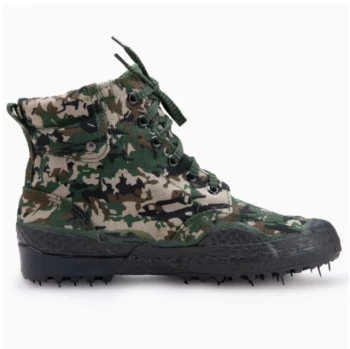
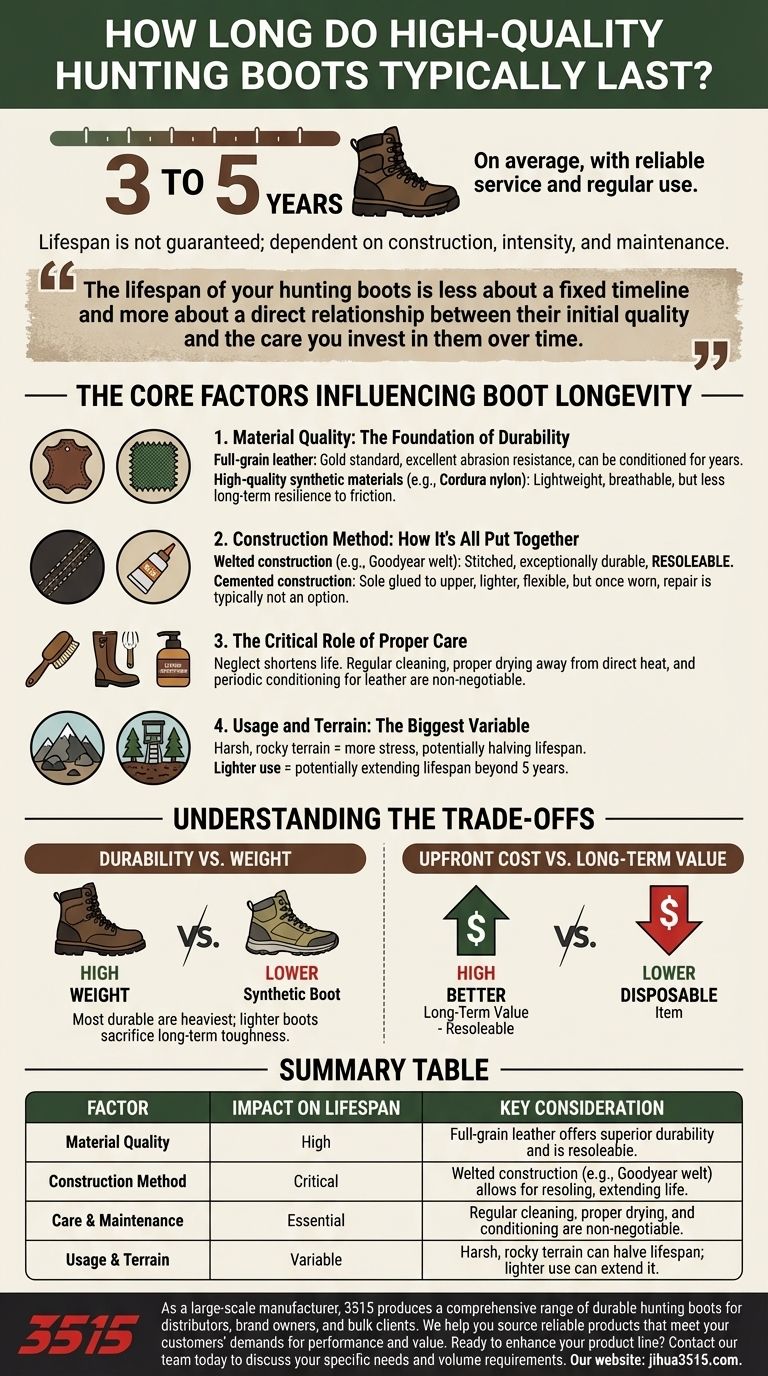
On average, a pair of high-quality hunting boots should provide between 3 to 5 years of reliable service with regular use. This lifespan, however, is not guaranteed; it is directly dependent on the boot's construction, the intensity of use, and, most importantly, a consistent maintenance routine.
The lifespan of your hunting boots is less about a fixed timeline and more about a direct relationship between their initial quality and the care you invest in them over time.
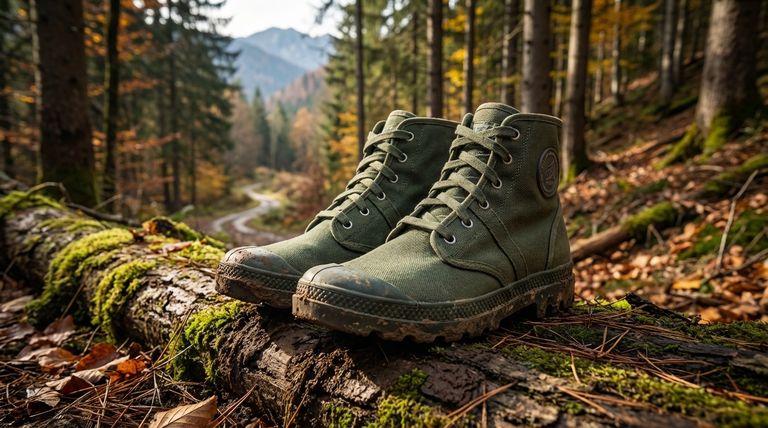
The Core Factors Influencing Boot Longevity
The 3-to-5-year figure is a baseline. Understanding the variables that can shorten or extend this lifespan is key to maximizing your investment.
Material Quality: The Foundation of Durability
The materials used are the primary determinant of a boot's potential lifespan. Full-grain leather is often considered the gold standard for durability, offering excellent abrasion resistance and the ability to be conditioned and maintained for years.
High-quality synthetic materials, like Cordura nylon, offer advantages in weight and breathability but may not possess the same long-term resilience as premium leather against constant friction and abuse.
Construction Method: How It's All Put Together
How the sole is attached to the upper part of the boot is a critical factor. Boots with a welted construction (like a Goodyear welt) are stitched together, making them exceptionally durable and, crucially, resoleable. This means a worn-out sole doesn't end the boot's life.
Conversely, many boots use a cemented construction, where the sole is glued to the upper. This method produces a lighter and often more flexible boot, but once the sole is worn or delaminates, repair is typically not an option.
The Critical Role of Proper Care
Neglect is the fastest way to shorten the life of any boot. A disciplined care routine is non-negotiable for achieving longevity.
This includes regular cleaning to remove mud and debris, proper drying away from direct heat sources that can crack leather, and periodic conditioning for leather boots to keep them from drying out and losing their water resistance.
Usage and Terrain: The Biggest Variable
The environment where you hunt will significantly impact wear and tear. A hunter navigating rocky, mountainous terrain for dozens of miles each season will put far more stress on their boots than someone who primarily hunts from a treestand on soft earth.
Consistently harsh conditions can easily cut a boot's expected lifespan in half, while lighter use can extend it well beyond the 5-year mark.
Understanding the Trade-offs
Choosing a hunting boot involves balancing durability with other performance characteristics. There is no single "best" boot, only the best boot for a specific need.
Durability vs. Weight
The most durable boots, often made of thick full-grain leather with welted soles, are also typically the heaviest. For hunters who cover long distances, the weight penalty can lead to significant fatigue.
Lighter synthetic boots reduce this burden but often do so by sacrificing some measure of long-term toughness.
Upfront Cost vs. Long-Term Value
Resoleable, high-quality leather boots carry a significant upfront cost. However, the ability to replace the sole for a fraction of the original price can make them a better long-term value.
Less expensive, cemented boots are cheaper initially but function as a disposable item once a critical component like the sole fails.
Making the Right Choice for Your Goal
Select your boots based on a realistic assessment of your hunting style and your commitment to maintenance.
- If your primary focus is maximum durability for harsh terrain: Prioritize boots with full-grain leather uppers and a resoleable welted construction.
- If your primary focus is lightweight mobility for long treks: Look for high-quality synthetic or hybrid boots, but accept that they may have a shorter overall lifespan.
- If your primary focus is the best long-term value: Invest in a premium, resoleable boot and commit to a rigorous cleaning and conditioning schedule from day one.
Ultimately, how you care for your boots is the single greatest factor in how long they will care for you in the field.
Summary Table:
| Factor | Impact on Lifespan | Key Consideration |
|---|---|---|
| Material Quality | High | Full-grain leather offers superior durability and is resoleable. |
| Construction Method | Critical | Welted construction (e.g., Goodyear welt) allows for resoling, extending life. |
| Care & Maintenance | Essential | Regular cleaning, proper drying, and conditioning are non-negotiable. |
| Usage & Terrain | Variable | Harsh, rocky terrain can halve lifespan; lighter use can extend it. |
As a large-scale manufacturer, 3515 produces a comprehensive range of durable hunting boots for distributors, brand owners, and bulk clients.
Our production capabilities encompass all types of hunting footwear, built with premium materials and construction methods designed for longevity. We help you source reliable products that meet your customers' demands for performance and value.
Ready to enhance your product line with high-quality, long-lasting boots? Contact our team today to discuss your specific needs and volume requirements.
Visual Guide
Related Products
- Wholesale Lightweight Tactical Boots Custom Manufacturer for Desert & Combat Use
- High-Traction Suede Tactical Boots Wholesale & Custom Manufacturing
- Durable Leather Tactical Boots Wholesale & Custom Manufacturing for Brands
- Durable Military Combat Boots with Water Drainage for Wholesale & OEM
- Wholesale Waterproof Tactical Boots Custom Suede & High-Traction Soles
People Also Ask
- What are the common types of combat boots? Find the Right Boot for Your Mission
- What specialized protections do tactical boots offer? Maximize Endurance with High-Performance Footwear
- What is the role of high-frequency acquisition hardware in technical skill analysis for outdoor and tactical boots?
- How is the compatibility of polymer materials demonstrated in smart footwear? Enhancing Tactical & Training Performance
- How does additive manufacturing equipment reduce environmental risks? Sustainable Tactics for Modern Footwear Production