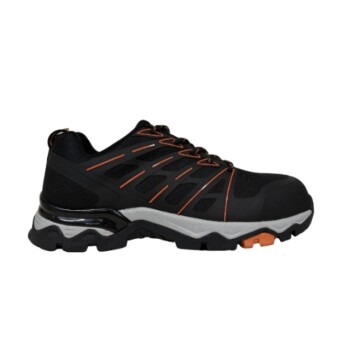
The 10-meter walk test acts as a direct, quantifiable proxy for biomechanical efficiency. It measures the time required for a subject to traverse a set distance at a normal walking pace; shorter completion times indicate that the safety shoe—specifically its lace tightening system—facilitates superior energy transfer. This data point proves that well-fitted footwear reduces the energy wasted on instability, directly translating to improved worker mobility and operational output.
By correlating walking speed with footwear stability, this test reveals that precise tightening systems minimize energy waste. This efficiency translates to reduced worker fatigue and sustained productivity in high-movement environments.
Decoding the Metric: Speed as a Signal of Stability
The Mechanics of the Test
The test utilizes high-precision timing to evaluate a subject's normal walking speed while wearing specific safety footwear. It strips away subjective feelings of comfort and replaces them with hard data regarding movement speed.
The Critical Role of Tightening
The primary variable influencing the test results is often the footwear’s lace tightening system. A system that secures the foot effectively allows for a more natural gait.
Interpreting Shorter Times
A shorter completion time does not necessarily mean the worker is rushing; rather, it indicates superior gait efficiency. It signifies that the shoe is not hindering the natural stride of the wearer.
From Biomechanics to Operational Efficiency
Reducing Energy Waste
When a shoe fits poorly or lacks stability, the body must expend extra energy to maintain balance. The 10-meter walk test identifies shoes that minimize this energy wasted on instability.
Improving Mobility
By ensuring efficient energy transfer from the foot to the ground, the footwear enhances overall mobility. In dynamic environments, this allows workers to move more fluidly with less physical tax.
Sustaining Workflow
While the test measures speed, the implication is endurance. Reducing the physical effort required for each step contributes to higher operational efficiency over the course of a long shift.
Understanding the Trade-offs
Efficiency vs. Protection
While the 10-meter walk test highlights mobility, it must be balanced against safety requirements. A shoe that permits fast walking must still provide robust toe protection to prevent crush injuries in logistics environments.
Stability vs. Flexibility
High mobility often requires flexibility, but warehousing tasks like forklift operation require ergonomic support and slip resistance. Ensure that improved gait efficiency does not come at the cost of the grip necessary for high-frequency movements.
Making the Right Choice for Your Goal
To maximize workforce potential, you must balance the data from the walk test with the realities of your specific work environment.
- If your primary focus is Operational Speed: Prioritize footwear with advanced lace tightening systems that demonstrated shorter times in the 10-meter walk test to maximize gait efficiency.
- If your primary focus is Heavy Logistics Safety: Ensure the footwear meets strict protective standards for crush injuries and slip resistance before optimizing for walking speed.
Select the footwear that minimizes energy waste without compromising the protective structures your environment demands.
Summary Table:
| Metric Category | Key Influence of Safety Shoes | Operational Benefit |
|---|---|---|
| Gait Speed | Enhanced by precise lace tightening systems | Faster, more natural movement |
| Energy Transfer | Minimized energy waste on foot instability | Reduced worker fatigue over long shifts |
| Stability | Superior foot-to-ground energy transfer | Improved mobility in dynamic environments |
| Safety Balance | Integrated toe protection & slip resistance | High-speed efficiency without injury risk |
Optimize Your Workforce Efficiency with 3515 Footwear Solutions
As a large-scale manufacturer serving distributors and brand owners, 3515 offers comprehensive production capabilities for all footwear types. Our flagship Safety Shoes series is engineered to excel in the 10-meter walk test, ensuring your clients receive products that minimize energy waste and maximize operational output.
Beyond safety, our extensive portfolio covers work and tactical boots, outdoor shoes, training shoes, and sneakers, as well as Dress & Formal shoes to meet your diverse bulk requirements. Partner with us to provide high-performance footwear that balances ergonomic support with robust protection.
Ready to elevate your product line? Contact us today to discuss your bulk manufacturing needs!
References
- S.-P. Cho, Won-Seob Shin. Effect of Shoelace Tightness in Safety Shoes on Static and Dynamic Balance and Gait Ability in Industrial Workers. DOI: 10.14474/ptrs.2024.13.4.416
This article is also based on technical information from 3515 Knowledge Base .
Related Products
- Premium Suede Sport Safety Shoes for Wholesale & Bulk Orders
- Premium Lightweight Safety Shoes for Wholesale & Bulk Orders
- Wholesale Anti-Smash & Puncture-Proof Safety Shoes Custom Manufacturing for Brands
- Premium KPU Injection Athletic Style Safety Shoes
- Premium Safety Shoes with Rotating Buckle Safety Sneakers
People Also Ask
- What industries have specific OSHA footwear requirements? Ensure Compliance & Protect Your Workforce
- What are the primary functions of professional safety shoes? Maximize Safety in Water Supply Confined Spaces
- What role do specialized safety shoes play in preventing falls? Engineering Stability in Industrial Environments
- What core functions do professional safety shoes serve? Enhance Construction & Industrial Safety Standards
- What are the main safety features of S1-S5 shoes? The 3 Essential Protections Explained