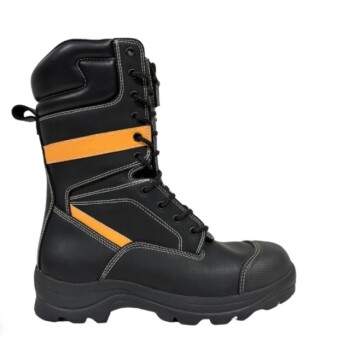
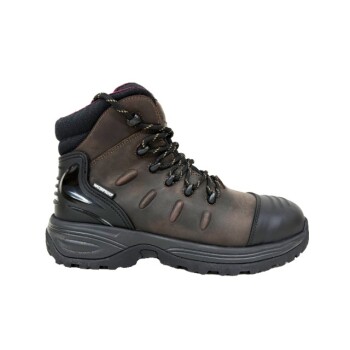
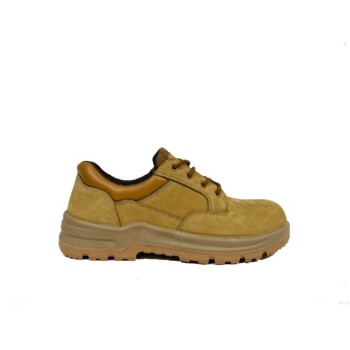
For automotive painting and chemical cleaning environments, footwear requires a distinct combination of chemical resistance and physical stability. Specifically, shoes must be resistant to oils, acids, and alkalis, feature liquid-penetration resistance to maintain dryness, and utilize high-traction outsoles to mitigate slip hazards.
The ideal protective footwear acts as a dual barrier: it chemically seals the foot against hazardous solvents while mechanically gripping slick surfaces to prevent severe occupational injuries.
The Chemical Barrier: Defending Against Solvents
Resistance to Corrosive Agents
In automotive painting and chemical cleaning, the primary threat comes from aggressive fluids. Footwear must be explicitly rated as oil-resistant, acid-resistant, and alkali-resistant.
This specialized resistance ensures the structural integrity of the shoe does not degrade upon contact with harsh solvents. Without this feature, common footwear materials can melt, crack, or become porous, exposing the wearer to injury.
Liquid Penetration Resistance
Beyond chemical compatibility, the footwear must be liquid-penetration-resistant. This feature creates a sealed environment that keeps the wearer's feet dry.
In cleaning environments where fluids pool on the floor, this impermeability prevents chemical irritants from soaking through the material and contacting the skin. It serves as the last line of defense against chemical burns and dermatitis.
The Physical Safeguard: Stability on Slick Surfaces
High-Traction Outsoles
Surfaces in these environments are frequently wet, oily, or covered in slick overspray. High-traction outsoles are mandatory to maintain balance and prevent falls.
These outsoles are engineered to channel fluids away from the contact patch, ensuring the shoe connects solidly with the floor rather than hydroplaning on top of the spill.
Specialized Material Formulation
To achieve high slip resistance, manufacturers utilize specific material formulations for the outsole. These materials are softer and stickier than standard rubber, designed to generate maximum friction even when a lubricant (like oil or water) is present.
Optimized Tread Design
The geometry of the sole is just as critical as the material. Specialized tread designs increase the surface area in contact with the ground.
By interlocking with surface irregularities, these treads provide the mechanical grip necessary to stabilize the wearer during complex maintenance procedures.
Understanding the Trade-offs
Breathability vs. Impermeability
A shoe designed to resist liquid penetration and chemical attacks is, by definition, less breathable. The heavy sealing required to keep acids out also keeps heat and moisture in.
Users should be aware that while safety is maximized, long-term comfort may be reduced due to poor ventilation. Moisture-wicking socks are often necessary to manage internal humidity.
Weight and Flexibility
Chemical-resistant materials are often denser and heavier than standard footwear materials. This can lead to increased fatigue during long shifts.
Furthermore, the rigid construction required to prevent chemical permeation can reduce flexibility. This stiffness may impact agility, requiring the wearer to adjust their movement patterns to avoid tripping.
Making the Right Choice for Your Goal
When selecting footwear for these hazardous environments, assess your specific daily risks to prioritize the right features.
- If your primary focus is Chemical Safety: Prioritize boots with verified resistance to the specific acids or alkalis used in your facility to prevent material degradation.
- If your primary focus is Fall Prevention: Look for footwear with specific slip-resistance ratings (such as SRA, SRB, or SRC) that match your floor type.
Select the gear that addresses your most critical environmental hazards to ensure long-term safety and performance.
Summary Table:
| Feature | Protection Type | Benefit in Hazardous Environments |
|---|---|---|
| Chemical Resistance | Chemical | Resists oils, acids, and alkalis to prevent material degradation. |
| Liquid Penetration | Barrier | Keeps feet dry and prevents chemical burns or dermatitis. |
| High-Traction Outsoles | Physical | Mitigates slip hazards on wet, oily, or oversprayed surfaces. |
| Specialized Tread | Stability | Increases surface contact to prevent hydroplaning and falls. |
Secure Your Workforce with Professional-Grade Safety Footwear
As a large-scale manufacturer serving distributors and brand owners, 3515 offers comprehensive production capabilities for all footwear types, anchored by our flagship Safety Shoes series. Whether your clients operate in automotive painting, chemical processing, or heavy industry, our extensive portfolio covers everything from acid-resistant work boots to high-traction tactical and outdoor shoes.
Partner with 3515 to access reliable bulk manufacturing for:
- Safety & Work Boots: Certified chemical and slip resistance.
- Specialized Footwear: Tactical, training, and performance sneakers.
- Dress & Formal: High-quality options for professional requirements.
Contact 3515 today to discuss your bulk production needs and let us deliver the durability your brand deserves.
References
- Bindesh Patel, Ayushi Parmar. Prevalence of Work Related Musculoskeletal Pain among Garage Workers of Bharuch District: A Cross Sectional Survey. DOI: 10.52403/ijhsr.20230735
This article is also based on technical information from 3515 Knowledge Base .
Related Products
- Premium Flame-Retardant Waterproof Safety Boots and Shoes
- Athletic Safety Shoes with Dial Closure & Steel Toe for Wholesale & Custom Manufacturing
- Heavy-Duty Waterproof Nubuck Safety Boots Safety Shoes for Bulk Supply
- Premium Suede Sport Safety Shoes for Wholesale & Bulk Orders
- Wholesale Durable Safety Boots | Custom Steel Toe & Puncture-Resistant Manufacturing
People Also Ask
- Why are waterproof safety boots recommended for certain work environments? Essential Protection for Wet & Hazardous Jobs
- What materials are commonly used in waterproof boots? The Complete Guide to Durable, Breathable Protection
- How does boot construction affect waterproofing? The Science Behind Truly Dry Feet
- What should you look for to ensure boots are fully waterproof? The Essential 2-Part System
- What is the advantage of one-piece construction in waterproof boots? Unbeatable Seamless Protection