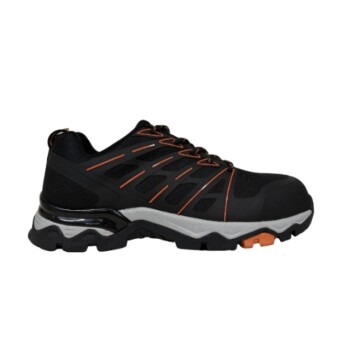
To support the physiological needs of older shipyard workers, functional design must prioritize stability and impact mitigation to compensate for natural declines in muscle strength and joint stability. The most critical features include a wider footbed, reinforced arch support, and an optimized pressure distribution system, ensuring these ergonomic elements are integrated with standard shipyard protections like high-strength steel toes and puncture-resistant midsoles.
Core Takeaway Aging shipyard workers face a dual challenge: high-risk environmental hazards and age-related physiological decline, such as reduced muscle strength. Effective footwear must go beyond basic protection, acting as a stabilizing tool that distributes pressure evenly to prevent severe musculoskeletal injuries like joint ruptures.
Addressing Physiological Decline
The primary goal for older workers is to counteract the loss of physical robustness. Footwear must function as an external support system for the body.
Enhanced Stability through Fit
As workers age, joint stability decreases. A wider footbed is essential to provide a solid foundation and accommodate changes in foot shape over time.
This feature ensures a better fit, reducing the risk of slips or internal foot movement that leads to loss of balance.
Structural Reinforcement
Reinforced arch support is critical to compensate for reduced muscle strength in the legs and feet.
Proper arch support aligns the lower, kinetic chain, helping to prevent the fatigue that leads to accidents late in a shift.
Optimized Pressure Distribution
Footwear should feature a system designed for optimized pressure distribution.
By spreading weight and impact forces evenly across the foot, the shoe reduces the probability of severe musculoskeletal injuries, such as shoulder or joint ruptures, which are statistically more prevalent in workers over the age of 50.
Mitigating Environmental Hazards
While ergonomics support the body, the footwear must still defend against the aggressive environment of a shipyard.
Impact Protection
Shipyard tasks involve heavy part assembly, making high-strength steel toes a mandatory feature.
These components provide a hard barrier against falling heavy objects, preventing crushing injuries that can permanently disable an older worker.
Underfoot Defense
The ground in a shipyard is often littered with sharp metal scraps and debris from cutting tasks.
Puncture-resistant midsoles act as a shield, preventing sharp objects from penetrating the sole and injuring the foot.
Environmental Resistance
To ensure safety during welding or near electrical hazards, soles must be anti-static and high-temperature resistant.
This protects the worker from complex electrical risks and direct contact with welding sparks or hot surfaces.
Understanding the Trade-offs
When selecting footwear for aging workers, balancing protection with wearability is a nuanced challenge.
Weight vs. Fatigue
High-strength steel toes offer maximum protection but add significant weight to the shoe.
For an older worker with reduced muscle strength, heavier footwear can accelerate fatigue, potentially offsetting the stability benefits over a long shift.
Rigidity vs. Agility
Puncture-resistant midsoles and reinforced arches add necessary stiffness for protection and support.
However, this rigidity can reduce the natural flex of the foot, which may feel restrictive or uncomfortable until the worker fully breaks in the footwear.
Making the Right Choice for Your Goal
Selecting the right footwear involves assessing the specific daily tasks of the worker alongside their physical condition.
- If your primary focus is Musculoskeletal Health: Prioritize a wider footbed and optimized pressure distribution to support joint stability and reduce the risk of ruptures.
- If your primary focus is High-Hazard Defense: Prioritize high-strength steel toes and puncture-resistant midsoles to protect against falling objects and sharp debris.
Ultimately, the best safety footwear for aging workers mitigates physiological decline without compromising the rigid defense required by the shipyard environment.
Summary Table:
| Feature Category | Critical Design Element | Physiological/Safety Benefit |
|---|---|---|
| Ergonomic Support | Wider Footbed & Reinforced Arch | Improves balance, compensates for muscle loss, and reduces fatigue. |
| Injury Prevention | Optimized Pressure Distribution | Minimizes risk of musculoskeletal injuries and joint ruptures. |
| Impact Defense | High-Strength Steel Toes | Protects against heavy falling parts and crushing hazards. |
| Underfoot Safety | Puncture-Resistant Midsoles | Prevents injuries from metal scraps and sharp shipyard debris. |
| Hazard Protection | Anti-static & High-Temp Soles | Guards against electrical risks and welding sparks. |
Empower Your Workforce with Precision-Engineered Safety Footwear
At 3515, we understand that older workers require specialized support to remain productive and safe in high-hazard environments like shipyards. As a leading large-scale manufacturer serving global distributors and brand owners, we specialize in high-performance footwear that balances rigid protection with advanced ergonomics.
From our flagship Safety Shoes series featuring reinforced stability to our extensive range of tactical boots, outdoor shoes, and formal dress shoes, we offer comprehensive production capabilities to meet your bulk requirements.
Partner with 3515 to deliver durability and comfort to those who need it most.
Contact Us Today to Discuss Your Bulk Order
References
- Woo-Jin Kim, Byung Yong Jeong. A Cross-Sectional Descriptive Study of Musculoskeletal Disorders (MSDs) of Male Shipbuilding Workers and Factors Associated the Neck, Shoulder, Elbow, Low Back, or Knee MSDs. DOI: 10.3390/app12073346
This article is also based on technical information from 3515 Knowledge Base .
Related Products
- Premium Suede Sport Safety Shoes for Wholesale & Bulk Orders
- Premium Lightweight Safety Shoes for Wholesale & Bulk Orders
- Wholesale Anti-Smash & Puncture-Proof Safety Shoes Custom Manufacturing for Brands
- Premium KPU Injection Athletic Style Safety Shoes
- Premium Safety Shoes with Rotating Buckle Safety Sneakers
People Also Ask
- What are the primary functions of professional safety shoes? Maximize Safety in Water Supply Confined Spaces
- What industries have specific OSHA footwear requirements? Ensure Compliance & Protect Your Workforce
- What role do specialized safety shoes play in preventing falls? Engineering Stability in Industrial Environments
- How do the 3R principles influence green footwear design? Master Sustainable Safety Shoe Manufacturing
- Why wear protective masks, gloves, and safety shoes in 5S Shine? Elevate Safety and Discipline