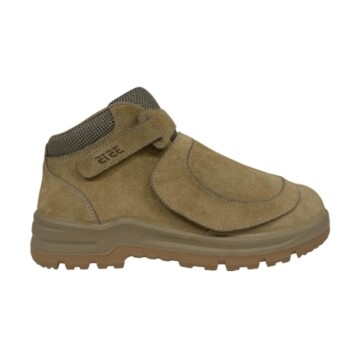
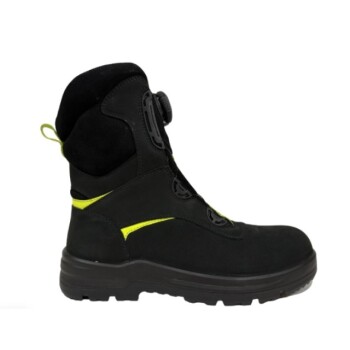
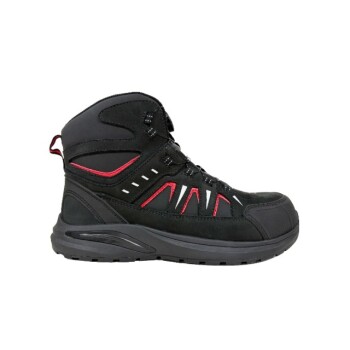
Safety shoes equipped with reinforced toe protection and puncture-resistant midsoles act as a specialized mechanical defense system designed to withstand aggressive industrial hazards. These components create a physical shield that intercepts external impacts, compression forces, and sharp object penetration before they can reach the foot, serving as the primary mechanism for maintaining skin integrity and preventing severe trauma.
Core Insight By functioning as a robust physical barrier, these shoes do more than prevent broken bones; they significantly reduce the risk of non-healing ulcers induced by minor traumas. This mechanical defense is critical for preserving worker health in complex environments where soft-tissue injury can lead to long-term complications.
The Mechanics of the Physical Barrier
Defense Against Impact and Compression
The reinforced toe cap is the first line of defense in industrial settings. Whether constructed from traditional steel or high-strength composite materials, this component is engineered to absorb and redistribute energy.
Its primary function is to prevent crushing injuries caused by heavy falling objects or compression from rolling machinery. By maintaining a rigid structure under stress, the toe cap ensures the toe box does not collapse onto the user's foot.
Prevention of Upward Penetration
Industrial environments frequently present hazards on the ground level, such as nails, glass, or scrap metal. The puncture-resistant midsole acts as an impenetrable layer integrated directly into the sole assembly.
This barrier physically blocks sharp objects from piercing through the outsole and entering the foot. It effectively isolates the skin from the environment, neutralizing the threat of deep puncture wounds that can lead to infection or tetanus.
Preservation of Skin Integrity
Beyond catastrophic injuries, the physical barrier plays a vital role in preventing minor traumas. In complex work environments, even small scrapes or bruises can escalate into non-healing ulcers, particularly for workers with underlying health issues.
The reinforced structure provides a consistent shield against abrasion and friction. This reduces the likelihood of "micro-traumas," thereby maintaining the overall integrity of the skin and reducing long-term health risks.
Understanding the Trade-offs
Weight vs. Fatigue
While steel toe caps provide maximum density and protection, they add significant weight to the footwear. In highly active roles, this increased weight can lead to quicker onset of leg fatigue, potentially affecting agility.
Flexibility and Ground Feel
The inclusion of a puncture-resistant plate, especially steel variations, can stiffen the sole of the shoe. This rigidity maximizes protection against sharp objects but may reduce the natural flexion of the foot.
Specificity of Protection
It is important to note that toe caps and midsoles protect specific zones of the foot. They do not inherently protect the metatarsal (top of the foot) or the ankle unless the shoe is equipped with additional specialized guards.
Making the Right Choice for Your Environment
To select the correct protective barrier, you must assess the specific nature of the hazards in your workspace.
- If your primary focus is heavy machinery or warehousing: Prioritize Reinforced Toe Protection (impact and compression ratings) to safeguard against falling inventory or rolling equipment.
- If your primary focus is construction or demolition: Prioritize Puncture-Resistant Midsoles to prevent injuries from nails, rebar, and sharp debris on the ground.
- If your primary focus is long-term skin health: Prioritize Composite Materials which offer the necessary physical barrier against ulcers but reduce weight to lower daily physical stress.
The most effective safety shoe is one that balances maximum physical resistance with the specific mobility needs of the user.
Summary Table:
| Component | Primary Hazard Protection | Mechanism of Action | Material Options |
|---|---|---|---|
| Reinforced Toe Cap | Falling objects, heavy rolling machinery | Energy absorption and redistribution; maintains rigid toe box structure | Steel, Composite (Carbon fiber/Fiberglass) |
| Puncture-Resistant Midsole | Nails, scrap metal, sharp glass debris | Physical blockage of upward penetration through the outsole | Steel plate, Aramid/Kevlar fabrics |
| Overall Foot Structure | Abrasion, friction, micro-trauma | Maintenance of skin integrity and prevention of non-healing ulcers | Leather, synthetic textiles, rubber |
Secure Your Workforce with Industrial-Grade Footwear
As a large-scale manufacturer serving distributors and brand owners, 3515 offers comprehensive production capabilities for all footwear types, anchored by our flagship Safety Shoes series. Our footwear provides the ultimate physical barrier against industrial hazards, ensuring your clients receive top-tier protection that balances safety with comfort.
Our extensive portfolio covers work and tactical boots, outdoor shoes, training shoes, and sneakers, as well as Dress & Formal shoes to meet diverse bulk requirements. Partner with 3515 to leverage our manufacturing excellence and scale.
Contact us today to discuss your bulk manufacturing needs!
References
- Halene Cristina Dias de Armada e Silva, Harlon França de Menezes. Construction and validation of nursing diagnoses for people with diabetic foot ulcers. DOI: 10.1590/1980-220x-reeusp-2022-0022en
This article is also based on technical information from 3515 Knowledge Base .
Related Products
- Wholesale Durable Safety Boots | Custom Steel Toe & Puncture-Resistant Manufacturing
- Wholesale Anti-Smash & Puncture-Proof Safety Shoes Custom Manufacturing for Brands
- Puncture-Resistant Velcro Safety Boots for Wholesale & Custom Manufacturing
- Athletic Safety Shoes with Dial Closure & Steel Toe for Wholesale & Custom Manufacturing
- Wholesale Durable Breathable Safety Boots Custom OEM Manufacturer
People Also Ask
- What are the consequences of not wearing safety boots? Protect Your Finances and Career
- What are the key features of safety boots? Essential Protection for Hazardous Workplaces
- Why is proper storage important for safety boots? Preserve Protection and Extend Lifespan
- How should safety boots be cleaned to avoid damage? A Gentle Guide to Preserve Your Boots
- What are the risks of using ordinary rubber boots in forest clearing? Why professional safety boots are essential