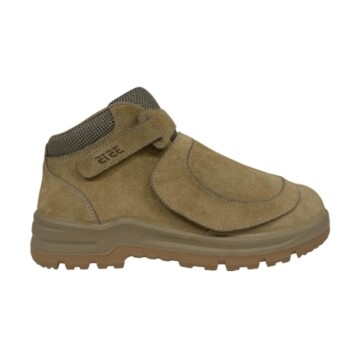
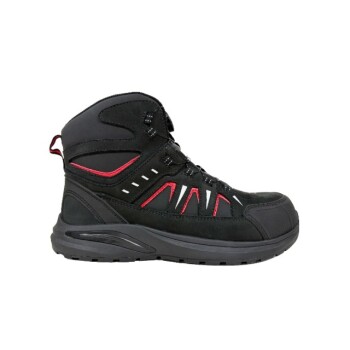
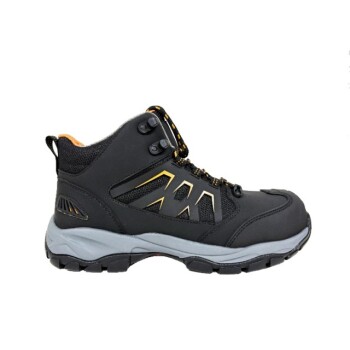
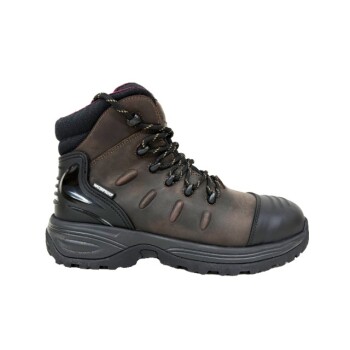
Reinforced safety boots act as a critical line of defense against the extreme thermal and mechanical hazards inherent in palm oil sterilizer stations. They are essential for preventing severe injuries caused by high-pressure steam leaks, hot water splashes, and the movement of heavy operational machinery. Without this specialized footwear, workers are directly exposed to catastrophic burns and crushing injuries.
In the volatile environment of a sterilizer station, reinforced boots function as a dual-purpose barrier, shielding workers from thermal burns while providing structural rigidity to withstand crushing forces from heavy equipment.
Mitigating Thermal Hazards
Protection Against Steam and Scalds
Sterilizer operations rely heavily on high-pressure hot water steam. This creates an environment where unexpected leaks or material splashes are a constant threat.
The Physical Barrier
Reinforced boots provide a sealed, durable layer between the worker's skin and the environment. This barrier is essential for deflecting hot liquids and steam, keeping these high-risk thermal hazards within controlled limits.
Preventing Mechanical Injuries
Resistance to Crushing Forces
The sterilizer station involves the constant movement of heavy machinery and large metal cages. The risk of mechanical crushing is significant if a worker's foot is caught by moving parts or falling equipment.
Impact Absorption
Industrial-grade safety boots feature reinforced toe structures designed to resist high compression. This safeguards the feet against fractures or amputation in the event of a mechanical accident.
Ensuring Stability on Hazardous Surfaces
Critical Traction Control
Sterilizer areas often have floors compromised by condensation, water, or oil residues. Drawing from general industrial safety principles, high-quality safety boots feature anti-slip outsoles to provide necessary grip.
Preventing Secondary Accidents
A slip in a sterilizer station is not just a fall risk; it can lead to contact with hot surfaces or moving machinery. The stability provided by the boot's sole is a vital preventative measure against these secondary operational risks.
Understanding the Trade-offs
Weight vs. Operator Fatigue
To achieve high thermal and mechanical resistance, reinforced boots are often heavier than standard footwear. This can lead to increased leg fatigue over long shifts.
Flexibility vs. Protection
The rigid construction required to prevent crushing injuries can reduce the boot's flexibility. Operators may experience a slight reduction in range of motion, requiring a period of adaptation to move efficiently.
Making the Right Choice for Your Safety Standards
When selecting safety footwear for sterilizer operations, prioritize the specific risks of your facility:
- If your primary focus is Thermal Protection: Ensure the boot material is specifically rated for high-temperature steam and hot water impermeability to prevent scalds.
- If your primary focus is Impact Safety: Verify that the reinforced toe cap meets the highest compression standards to withstand the weight of station machinery.
- If your primary focus is Accident Prevention: Prioritize outsoles with deep tread patterns and oil-resistant compounds to maximize traction on wet or slick surfaces.
True safety relies on selecting gear that addresses the specific, high-pressure realities of the environment.
Summary Table:
| Feature | Protection Benefit | Industrial Application |
|---|---|---|
| Reinforced Toe Cap | Prevents crushing from heavy machinery & cages | Mechanical Safety |
| Thermal Resistance | Shields against high-pressure steam & hot water | Thermal Protection |
| Anti-Slip Outsole | Provides traction on oily and wet surfaces | Slip Prevention |
| Durable Material | Resists abrasion and high-temperature exposure | Longevity & Safety |
Secure Your Workforce with 3515’s Professional Safety Footwear
As a large-scale manufacturer serving global distributors and brand owners, 3515 offers comprehensive production capabilities for all professional footwear types. Our flagship Safety Shoes series is specifically engineered to withstand the extreme thermal and mechanical demands of industrial environments like palm oil production.
From work and tactical boots to training shoes and sneakers, we provide the bulk manufacturing expertise needed to meet your diverse safety requirements. Contact us today to discuss how our reinforced footwear solutions can enhance your operational safety and protect your team from workplace hazards.
References
- Tri Niswati Utami, Nurly Fadilah. ANALYSIS OF POTENTIAL HAZARDS FOR PALM OIL MILL PRODUCTION WORKERS USING THE (HIRARC) METHOD IN PT. X. DOI: 10.32832/hearty.v13i4.18031
This article is also based on technical information from 3515 Knowledge Base .
Related Products
- Premium Suede Metatarsal Guard Safety Boots Work Shoes
- Puncture-Resistant Velcro Safety Boots for Wholesale & Custom Manufacturing
- Premium Grain Leather Safety Boots for Bulk Supply
- Heavy Duty Nubuck Safety Boots Safety Shoes for Global Distribution
- Premium Sport Style Safety Boots for Bulk Orders
People Also Ask
- How does metatarsal protection in safety footwear work? The Essential Guide to Foot Safety
- What is a metatarsal guard in safety boots? Essential Protection for Your Entire Foot
- How do metatarsal guards enhance work shoe safety? Prevent Crushing Foot Injuries on the Job
- What does the 'MT' in ASTM F2413-18 stand for? Essential Metatarsal Protection Explained
- What is metatarsal protection in safety boots? Essential Defense for Top-of-Foot Hazards