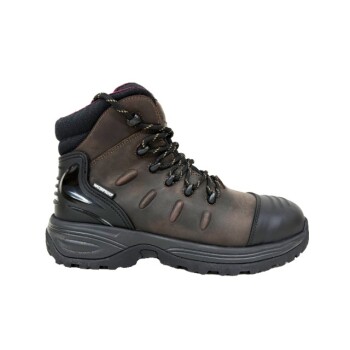
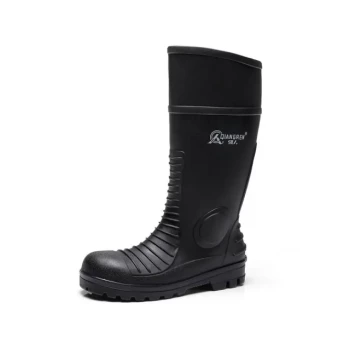
Industrial safety shoes provide critical mechanical defense against compression and puncture injuries during furniture manufacturing processes. Specifically designed for material handling, they utilize impact-resistant metatarsal guards to counter the force of falling timber and puncture-resistant midsoles to prevent sharp objects, such as nails, from penetrating the foot. These features create a robust barrier that secures the worker against the inherent physical hazards of lifting heavy stock and navigating debris-strewn floors.
Effective safety footwear in furniture manufacturing acts as an engineering control, converting high-risk interactions with heavy timber and sharp fasteners into manageable operational hazards through specialized impact and penetration resistance.
Defending Against Impact and Compression
The Role of Metatarsal Guards
In material handling, the risk of dropping heavy loads is significant. Impact-resistant metatarsal guards are essential features that extend protection beyond the toes to the upper foot bones.
These guards effectively counter the kinetic energy of falling heavy timber or dense furniture components. By dispersing the impact force, they prevent crushing injuries that can occur when a large object lands on the instep during lifting operations.
Protection from Crush Injuries
Beyond the metatarsal area, the overall reinforced structure of the shoe shields the foot from compression.
When workers maneuver large furniture pieces, the risk of an object settling on the foot is high. Rigid structural components ensure the foot remains uncompressed even if heavy stock shifts unexpectedly.
Preventing Puncture and Penetration
Blocking Sharp Fasteners
Furniture workshops are frequently littered with sharp hazards, particularly nails and staples. Puncture-resistant midsoles are the primary line of defense against these threats.
These midsoles are engineered to stop sharp objects from piercing the sole and entering the foot. This is critical when workers are carrying loads and may not have full visibility of the floor immediately beneath them.
Resisting Wood Splinters
In addition to metal fasteners, the manufacturing environment is full of sharp wood debris.
Thickened, reinforced soles prevent rigid wood splinters from penetrating the bottom of the shoe. This allows workers to move confidently through machining and assembly areas without the risk of organic material causing puncture wounds.
Stability and Fall Prevention
Navigating Sawdust-Covered Floors
While impact and puncture are primary concerns, stability is crucial during lifting. Anti-slip outsoles provide necessary traction on floors often compromised by sawdust or oil.
Lifting heavy materials alters a worker's center of gravity. Reliable grip ensures that the worker does not slip while under load, preventing both orthopedic injuries and damage to the materials being handled.
Understanding the Trade-offs
Weight vs. Fatigue
The robust protection offered by metatarsal guards and steel midsoles adds significant weight to the footwear.
While this weight provides maximum safety against crushing, it can lead to increased leg fatigue over long shifts. Operators must balance the level of armor required with the mobility needed for their specific tasks.
Flexibility and Ground Feel
Puncture-resistant midsoles are inherently rigid to stop nails.
This rigidity reduces the flexibility of the shoe and limits the wearer's "ground feel." Workers climbing ladders or operating foot pedals may find this lack of tactile feedback challenging, requiring a period of adaptation.
Making the Right Choice for Your Goal
Selecting the correct safety footwear depends on the specific station within the furniture manufacturing plant.
- If your primary focus is Raw Material Handling: Prioritize shoes with metatarsal guards and aggressive tread, as the risk of heavy timber falling on the instep is the highest priority.
- If your primary focus is Assembly and Finishing: Prioritize shoes with puncture-resistant midsoles and anti-slip properties to protect against scattered nails and sawdust while maintaining slightly better mobility.
By matching the specific protective feature to the immediate hazard, you ensure worker safety without compromising operational efficiency.
Summary Table:
| Hazard Category | Protective Feature | Benefit in Furniture Manufacturing |
|---|---|---|
| Heavy Timber Impact | Metatarsal Guards | Disperses kinetic energy from falling wood to prevent bone fractures. |
| Compression/Crushing | Reinforced Structure | Protects the foot from being crushed when heavy stock shifts or settles. |
| Sharp Fasteners | Puncture-Resistant Midsole | Stops nails, staples, and splinters from penetrating the sole. |
| Sawdust/Oil Slippage | Anti-slip Outsoles | Maintains stability and center of gravity while carrying heavy loads. |
| Debris Penetration | Thickened Soles | Provides a physical barrier against sharp wood splinters on shop floors. |
Secure Your Workforce with Premium Industrial Footwear
As a large-scale manufacturer serving distributors and brand owners, 3515 offers comprehensive production capabilities for all footwear types, anchored by our flagship Safety Shoes series. Whether you require metatarsal protection for heavy timber handling or puncture resistance for assembly lines, our extensive portfolio covers work and tactical boots, outdoor shoes, and formal footwear to meet your diverse bulk requirements.
Ready to upgrade your inventory with high-performance safety gear? Contact us today to discuss how our manufacturing expertise can bring value to your brand and protect your end-users.
References
- Alya Sofia Zahra, Putri Rachmawati. PPE Education to Reduce the Risk of Workplace Accidents in The Furniture Industry. DOI: 10.15294/jse.v2i1.78917
This article is also based on technical information from 3515 Knowledge Base .
Related Products
- Premium Waterproof High-Cut Industrial Safety Boots for Wholesale and Bulk Orders
- Premium Wheat Nubuck Safety Shoes for Bulk Distribution
- Wholesale Mesh Steel Toe Safety Shoes with Dial Closure Factory Production
- Wholesale Anti-Smash & Puncture-Proof Safety Shoes Custom Manufacturing for Brands
- Premium KPU Athletic Safety Shoes for Wholesale
People Also Ask
- Why are oil-resistant and anti-slip properties critical for industrial safety boots? Expert Outsole Engineering Guide
- What are the primary protective functions of industrial safety boots in oil palm plantations? Master Rough Terrain Safety
- How do industrial safety boots assist maintenance personnel working on high-level palm oil factory structures?
- Why is professional industrial-grade safety footwear a suitable carrier for diabetic rehabilitation insoles?
- What functions do industrial safety boots serve? Essential Protection for Footwear Sole & Stockfit Processing