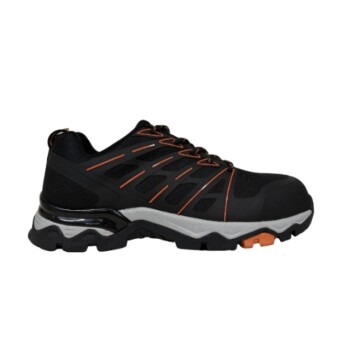
At its core, a modern safety shoe combines style and protection by embedding advanced protective technologies within the framework of conventional shoe designs. This is achieved through the use of low-profile composite or steel components, specialized sole compounds, and construction methods that mirror those used in high-end dress or casual footwear.
The key is strategic integration. Instead of adding bulky guards externally, today’s safety shoes build protection directly into the silhouette, allowing them to meet rigorous safety standards while maintaining a clean, professional appearance.
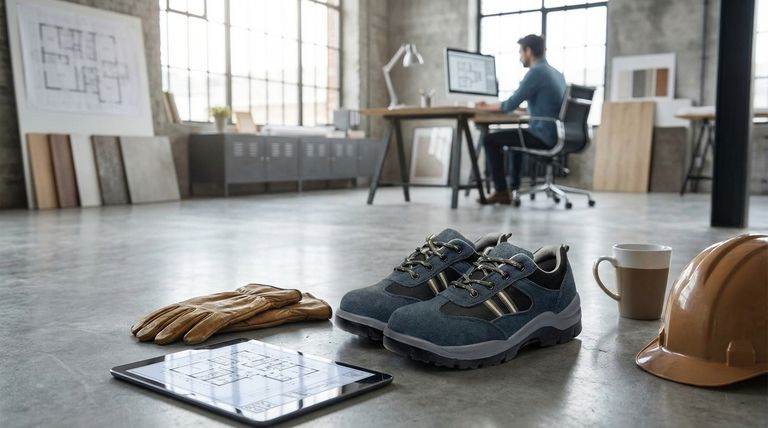
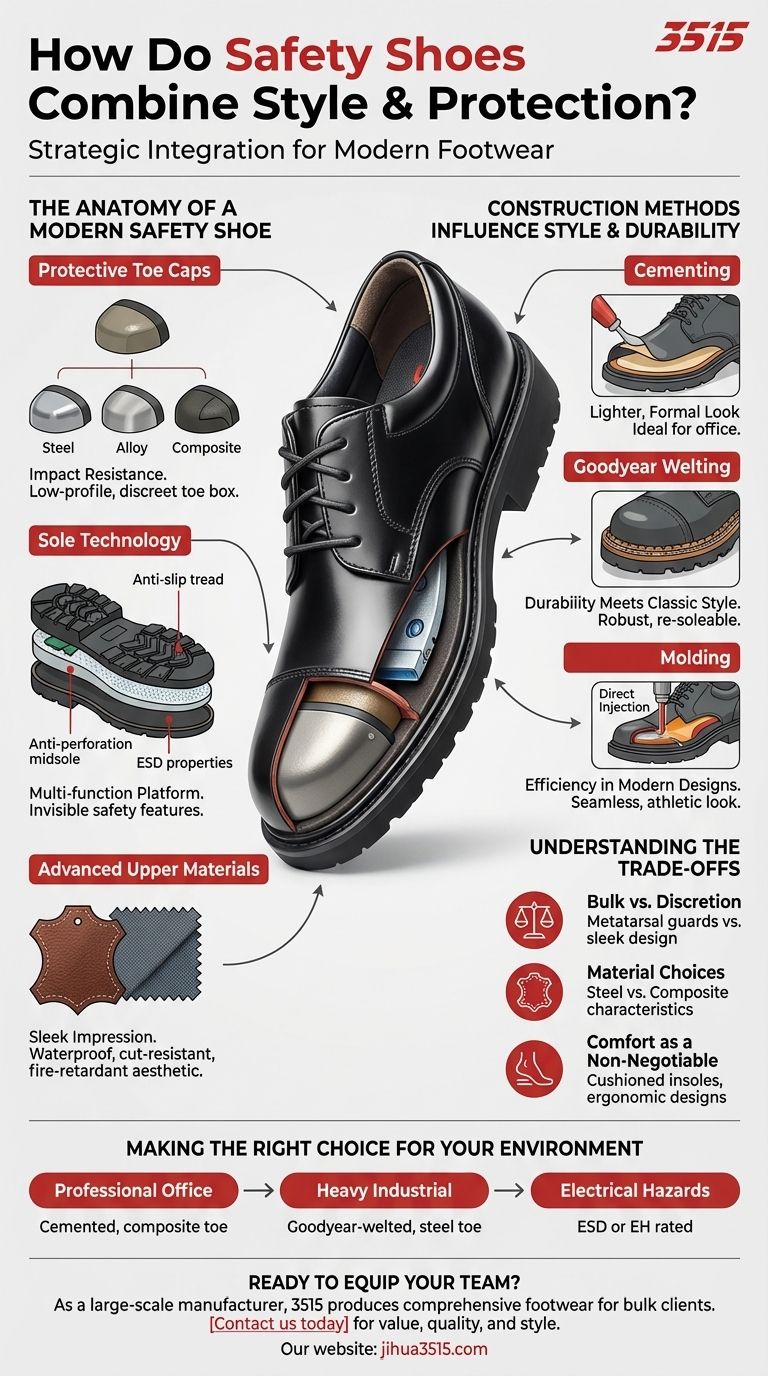
The Anatomy of a Modern Safety Shoe
To understand how safety and style coexist, you must look at the individual components that have been re-engineered for this dual purpose.
Protective Toe Caps: The Core of Impact Resistance
The most critical safety feature is the protective toe cap, which shields the foot from impact and compression hazards.
Modern shoes use steel, alloy, or composite materials. While steel is the traditional standard, lighter composite materials allow for a less bulbous and more discreet toe box, which is essential for achieving a formal or athletic look.
Sole Technology: More Than Just a Foundation
The sole is a multi-function platform that provides stability and specialized protection.
Features like anti-slip treads, anti-perforation midsoles (made of steel or composite fabric), and electrostatic dissipative (ESD) properties are engineered directly into the sole's layers, remaining completely invisible from the outside.
Advanced Upper Materials: A Sleek First Impression
The upper part of the shoe dictates its style. Modern safety footwear utilizes a wide range of materials, from traditional leather for a classic look to advanced textiles for a more athletic appearance.
These materials can also incorporate features like waterproofing, cut resistance, and fire-retardant properties without compromising the shoe's aesthetic.
How Construction Methods Influence Style and Durability
The method used to attach the sole to the upper has a profound impact on both the shoe's final look and its longevity.
Cementing: The Path to a Lighter, Formal Look
In this process, the sole is attached to the upper using a strong adhesive. This is the same method used for many dress shoes and sneakers.
Cementing allows for greater design flexibility, lighter weight, and a sleeker profile, making it ideal for safety shoes intended for office or light-duty environments.
Goodyear Welting: Durability Meets Classic Style
This traditional method involves stitching a leather welt to both the upper and the sole, creating an exceptionally durable and often re-soleable shoe.
Goodyear welting is common in high-end work boots and classic dress shoes, offering a robust aesthetic that signals quality and longevity.
Molding: Efficiency in Modern Designs
Also known as direct injection, this method involves injecting a liquid sole material (like polyurethane) into a mold attached to the shoe's upper.
This creates a seamless, watertight bond and is often used for modern, athletic-style safety shoes and clogs where a clean, integrated look is desired.
Understanding the Trade-offs
While modern technology has narrowed the gap between style and safety, some compromises are inherent.
Bulk vs. Discretion
The highest levels of protection, such as metatarsal guards that protect the top of the foot, will inevitably add bulk and are difficult to conceal in a sleek design. You must match the level of protection to the actual hazard.
Material Choices and Their Limits
Steel toes offer maximum protection in a thin profile but are heavier and conduct temperature. Composite toes are lighter and non-conductive but may need to be slightly thicker to achieve the same safety rating.
Comfort as a Non-Negotiable Feature
A shoe is useless if it's too uncomfortable to wear. Look for features like cushioned insoles and ergonomic designs, as true performance comes from a shoe you can wear safely and comfortably all day long.
Making the Right Choice for Your Environment
Your specific workplace and role should dictate your choice, balancing aesthetics with the necessary protective features.
- If your primary focus is a professional office with required site visits: Choose a cemented shoe with a composite toe for a lightweight, formal appearance that meets safety standards.
- If your primary focus is heavy industrial work with aesthetic standards: A Goodyear-welted boot with a steel toe provides maximum durability and a classic, rugged style.
- If your primary focus is protection from electrical hazards or static buildup: Prioritize shoes with an explicit ESD or Electrical Hazard (EH) rating, as this non-negotiable feature is independent of style.
Ultimately, you no longer have to choose between looking professional and staying protected.
Summary Table:
| Feature | Role in Safety | Role in Style |
|---|---|---|
| Toe Cap (Composite/Steel) | Protects from impact/compression | Enables a low-profile, discreet toe box |
| Sole Technology (Anti-slip, ESD) | Provides grip & electrical safety | Remains invisible; allows for athletic or formal designs |
| Upper Materials (Leather, Textiles) | Can be waterproof, cut-resistant | Defines the shoe's aesthetic (classic or modern) |
| Construction (Cementing, Welting) | Impacts durability and longevity | Determines final profile (sleek or robust) |
Ready to equip your team with safety footwear that combines superior protection with professional style?
As a large-scale manufacturer, 3515 produces a comprehensive range of footwear for distributors, brand owners, and bulk clients. Our production capabilities encompass all types of safety shoes and boots, engineered to meet the highest standards without sacrificing aesthetics.
Contact us today to discuss your needs and discover how we can deliver value, quality, and style for your business.
Visual Guide
Related Products
- Premium Suede Sport Safety Shoes for Wholesale & Bulk Orders
- Premium Lightweight Safety Shoes for Wholesale & Bulk Orders
- Wholesale Anti-Smash & Puncture-Proof Safety Shoes Custom Manufacturing for Brands
- Premium KPU Injection Athletic Style Safety Shoes
- Premium Safety Shoes with Rotating Buckle Safety Sneakers
People Also Ask
- What industries have specific OSHA footwear requirements? Ensure Compliance & Protect Your Workforce
- What are the primary functions of professional safety shoes? Maximize Safety in Water Supply Confined Spaces
- What role do specialized safety shoes play in preventing falls? Engineering Stability in Industrial Environments
- Why is barefoot walking used as a baseline in gait safety research? Unlocking Natural Biomechanics for Shoe Design
- Why must safety training be synchronized with the provision of physical safety shoes? Achieve Optimal Workplace Protection