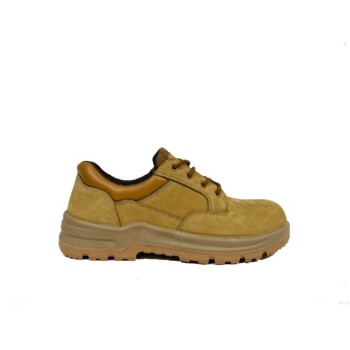
Specialized footwear provides a stable mechanical foundation essential for sewing operators, who face unique biomechanical stressors despite primarily working in a seated position. By integrating arch support, shock absorption, and anti-slip designs, professional safety or occupational training shoes correct foot posture during pedal operation and minimize impact forces, significantly reducing the incidence of foot pain and ankle fatigue.
While sewing is largely perceived as a sedentary task, the feet remain constantly active to control machinery and maintain body balance. Professional footwear acts as critical personal protective equipment, alleviating pressure on the lower limbs and back to prevent long-term musculoskeletal strain.
The Biomechanics of the Sewing Environment
Stability During Pedal Operation
Although operators spend much of their time seated, their feet are the primary control interface for sewing machinery.
Professional shoes provide a stable mechanical environment for the feet and ankles. This stability allows for precise pedal operation without forcing the foot into unnatural angles.
Proper arch support helps correct foot posture during these repetitive fine-motor movements, reducing the strain on tendons and ligaments.
Managing Impact During Material Handling
Sewing roles are rarely static; they involve intermittent standing and material handling.
During these transition periods, the soles of the feet are subjected to sudden impact forces.
High-quality industrial footwear features shock absorption properties that dampen this stress, preventing it from radiating up the leg.
Key Ergonomic Features and Benefits
The Critical Role of Arch Support
Arch support is not merely a comfort feature; it is a structural necessity for maintaining balance.
By supporting the bottom of the foot, these shoes distribute weight evenly rather than concentrating it on the heel or ball of the foot.
This support system effectively alleviates pressure on the lower limbs and lower back, addressing pain points often caused by prolonged sewing tasks.
Comprehensive Shock Absorption
Superior shock absorption reduces stress transmission throughout the working environment.
This feature complements other factory ergonomic modifications, creating a comprehensive labor protection system.
It protects the skeletal structure from the cumulative micro-trauma associated with industrial floor surfaces.
Common Pitfalls to Avoid
The Risk of Flat Soles
It is vital to avoid flat-soled shoes, which may be trendy but lack the necessary structural integrity for industrial work.
Flat soles fail to provide adequate balance, often leading to significant pain and fatigue over time.
Built-in Support vs. Inserts
Reliance on generic, off-the-shelf inserts to correct poor footwear is a sub-optimal strategy.
Shoes with built-in arches offer superior integration and stability compared to aftermarket additions.
If inserts are absolutely necessary, avoid generic drugstore options; visit a specialty store for a proper fitting to ensure the insert does not compromise the shoe's internal fit.
Making the Right Choice for Your Goal
To select the most effective footwear for your manufacturing team, consider the following specific objectives:
- If your primary focus is injury prevention: Prioritize shoes with built-in arch support and anti-slip soles to ensure a stable mechanical environment during pedal use.
- If your primary focus is reducing fatigue: Select occupational training shoes with superior shock absorption to minimize stress transmission during material handling and standing tasks.
investing in the right footwear is a foundational step in transforming a sewing workstation from a source of strain into an environment of sustained productivity.
Summary Table:
| Feature | Benefit for Sewing Operators | Impact on Productivity |
|---|---|---|
| Integrated Arch Support | Corrects foot posture during pedal operation | Reduces lower limb and back pain |
| Shock Absorption | Dampens impact during material handling | Minimizes cumulative skeletal micro-trauma |
| Stable Mechanical Base | Provides precision during fine-motor tasks | Increases machine control and accuracy |
| Anti-slip Soles | Ensures safety during transitions/standing | Prevents workplace slips and falls |
Partner with 3515 for High-Performance Industrial Footwear
As a large-scale manufacturer serving global distributors and brand owners, 3515 delivers more than just shoes—we provide comprehensive ergonomic solutions. Our flagship Safety Shoes series is specifically engineered to protect workers from the unique stressors of the manufacturing floor.
Beyond safety, our extensive portfolio includes work and tactical boots, outdoor shoes, training sneakers, and formal dress shoes to meet all your bulk procurement requirements. Elevate your brand’s value and protect your customers' workforce with our world-class production capabilities.
Contact us today to discuss your bulk manufacturing needs!
References
- Mahdi Mohammadian. Musculoskeletal Disorders Prevalence among Sewing Machine Operators of Sewing Workplaces in Kerman City. DOI: 10.23880/eoij-16000320
This article is also based on technical information from 3515 Knowledge Base .
Related Products
- Premium Safety Shoes with Rotating Buckle Safety Sneakers
- Advanced KPU Athletic Safety Shoe with Steel Toe Cap Anti-Slip Rotary Lacing System
- Premium Suede Sport Safety Shoes for Wholesale & Bulk Orders
- Athletic Safety Shoes with Dial Closure & Steel Toe for Wholesale & Custom Manufacturing
- Premium Wholesale Tactical Style Safety Shoes Boots with Quick Lacing
People Also Ask
- What role do specialized safety shoes play in preventing falls? Engineering Stability in Industrial Environments
- How do specialized safety shoes protect against battery maintenance injuries? Prevent Impact and Chemical Burns
- How do I choose the best safety shoes? Match Certified Features to Your Hazards
- How do the 3R principles influence green footwear design? Master Sustainable Safety Shoe Manufacturing
- What are the main safety features of S1-S5 shoes? The 3 Essential Protections Explained