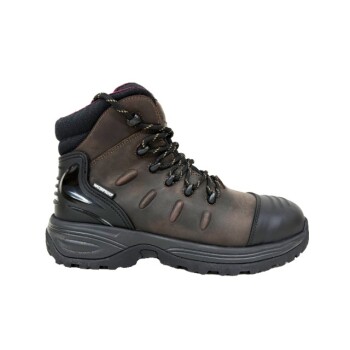
Industrial safety shoes function through a combination of reinforced structural integrity and material isolation. They utilize specialized, hardened materials to absorb mechanical impact energy and create an impermeable barrier against hazardous environmental factors. By physically isolating the foot from threats such as chemical leaks, industrial toxins, and high-temperature surfaces, these mechanisms prevent both acute trauma and the chronic occupational diseases associated with long-term exposure to harsh conditions.
By effectively shielding laborers from direct contact with toxins and mechanical force, safety footwear serves as a preventative health measure. It converts physical protection into long-term disease management, mitigating risks ranging from severe fractures to chemical-induced conditions.
The Mechanics of Physical Protection
To understand how safety shoes prevent occupational disease, we must first analyze the physical architecture of the footwear.
Absorbing Mechanical Energy
The primary line of defense involves reinforced structures designed to withstand crushing forces.
These components do not just deflect blows; they absorb mechanical impact energy.
This prevents acute injuries such as fractures or punctures, which can lead to long-term mobility issues or secondary infections.
Material Barriers Against Toxins
Beyond impact, the materials used in safety shoes provide a critical physical isolation mechanism.
In environments with chemical leaks or industrial toxins, the shoe acts as a seal.
This prevents hazardous substances from making skin contact, stopping the absorption of toxins that lead to systemic occupational diseases.
Thermal Insulation
High-quality safety footwear is engineered to resist extreme thermal conditions.
They isolate the foot from high-temperature surfaces, preventing severe burns and heat-related stress.
This creates a controlled micro-environment for the worker, regardless of external factory conditions.
The Impact on Health and Safety Strategy
The physical mechanisms of the shoe translate directly into broader health outcomes for the workforce.
Breaking the Cycle of Chronic Exposure
Occupational diseases often stem from repeated, low-level exposure to harmful elements like dust or chemicals.
By maintaining a consistent barrier against hazardous substances, safety shoes interrupt this exposure cycle.
This renders the harsh environment external to the worker, significantly lowering the risk of developing long-term health complications.
The Psychological Component
Physical safety infrastructure has a direct correlation with mental well-being.
Knowing that physical risks are mitigated helps alleviate psychological anxiety regarding workplace hazards.
This reduction in fear lowers occupational stress levels, which is itself a critical factor in maintaining overall worker health and job satisfaction.
Understanding the Trade-offs
While essential, physical protection mechanisms in footwear are not a standalone solution.
Protection vs. Mobility
Heavily reinforced structures increase protection but can add weight.
Excessive weight may lead to fatigue or ergonomic issues over long shifts, potentially trading one risk for another if not properly balanced.
Maintenance Dependencies
The barrier function is only effective as long as the material remains intact.
Wear and tear can compromise the isolation mechanism, silently reintroducing risks of chemical exposure before a visible failure occurs.
Making the Right Choice for Your Environment
Selecting the correct footwear requires aligning the physical mechanism with the specific environmental threat.
- If your primary focus is mechanical safety: Prioritize shoes with reinforced structures and high impact-absorption ratings to prevent fractures and punctures.
- If your primary focus is disease prevention: Select footwear with specialized material barriers certified to resist the specific chemicals or toxins present in your facility.
- If your primary focus is worker well-being: Ensure the footwear provides robust protection to reduce psychological stress, while remaining light enough to prevent fatigue.
True safety is achieved when physical barriers effectively isolate the worker from the environment, turning a hazardous workplace into a manageable one.
Summary Table:
| Protection Mechanism | Functional Benefit | Health Outcome |
|---|---|---|
| Reinforced Structures | Absorbs crushing & impact energy | Prevents fractures and mobility issues |
| Material Isolation | Creates a seal against chemical leaks | Stops toxic absorption & skin conditions |
| Thermal Insulation | Resists high-temperature surfaces | Prevents burns and heat-related stress |
| Ergonomic Design | Balances weight and mobility | Reduces fatigue & long-term joint strain |
Secure Your Workforce with 3515’s Advanced Protective Solutions
As a premier large-scale manufacturer serving global distributors and brand owners, 3515 delivers more than just footwear—we provide a comprehensive shield against workplace hazards. Our flagship Safety Shoes series is engineered with cutting-edge physical protection mechanisms to eliminate the risk of occupational diseases and ensure long-term worker health.
Whether you need robust tactical boots, durable outdoor shoes, or professional Dress & Formal footwear, 3515 offers extensive production capabilities to meet your bulk requirements with precision. Partner with us to leverage our manufacturing excellence and safeguard your brand's reputation for safety.
Ready to elevate your safety standards? Contact us today to discuss your wholesale needs and explore our diverse footwear portfolio!
References
- Muhammad Adithya Sasmitha, Triana Srisantyorini. Pelatihan dan Pengawasan sebagai Upaya Meningkatkan Kepatuhan Penggunaan Alat Pelindung Diri (APD) untuk Menurunkan Tingkat Kecelakaan Kerja. DOI: 10.51888/jpmeo.v3i3.325
This article is also based on technical information from 3515 Knowledge Base .
Related Products
- Premium Waterproof High-Cut Industrial Safety Boots for Wholesale and Bulk Orders
- Premium Wheat Nubuck Safety Shoes for Bulk Distribution
- Wholesale Mesh Steel Toe Safety Shoes with Dial Closure Factory Production
- Wholesale Anti-Smash & Puncture-Proof Safety Shoes Custom Manufacturing for Brands
- Premium KPU Athletic Safety Shoes for Wholesale
People Also Ask
- Why are oil-resistant and anti-slip properties critical for industrial safety boots? Expert Outsole Engineering Guide
- What are the primary protective functions of industrial safety boots in oil palm plantations? Master Rough Terrain Safety
- What protective functions do industrial-grade safety boots provide in construction and mining? Maximize Worker Safety
- Why are industrial safety boots with high-grip outsoles required for oil leaks and B3 waste? Ensure Worker Stability
- What functions do industrial safety boots serve? Essential Protection for Footwear Sole & Stockfit Processing