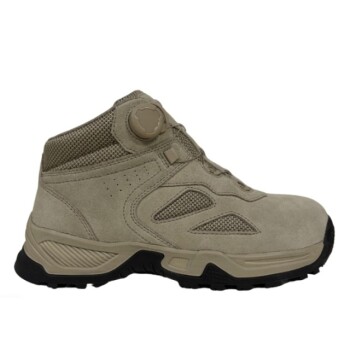
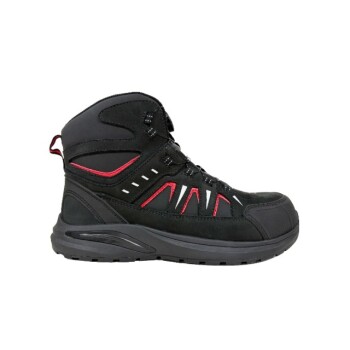
Industrial-grade safety boots are engineered to serve as a comprehensive shield against mechanical, environmental, and electrical hazards. In high-risk construction and mining environments, their primary protective functions are to prevent crushing injuries via reinforced toe caps, block sharp penetrations through puncture-resistant midsoles, and secure footing on hazardous terrain with specialized rubber outsoles.
The function of safety footwear extends beyond simple coverage; it is a critical risk-mitigation tool. By integrating impact resistance, barrier protection, and stability control, standardized safety footwear can reduce foot-related injury accidents by approximately 67%.
Mechanical Defense Mechanisms
The core purpose of industrial boots is to harden the foot against physical trauma. This protection is achieved through three integrated structural layers.
Impact and Compression Protection
The most immediate danger in mining and construction is the risk of falling heavy objects, such as ores, tools, or building materials. Reinforced toe caps, typically made from steel or high-strength composite materials, provide a hardened shell. This shell defends the toes against crushing forces and severe compression injuries that are common in these sectors.
Puncture Resistance
Worksites are frequently littered with sharp debris, including nails, glass, metal chips, and jagged gravel. To counter this, safety boots utilize puncture-resistant midsoles. These internal layers act as an impenetrable barrier, preventing sharp objects from piercing the sole and injuring the foot from below.
Terrain Stability and Traction
Falls on wet, uneven, or rugged surfaces are a leading cause of workplace accidents. Industrial boots feature specialized rubber outsoles designed for superior grip. This slip-resistant design is essential for maintaining stability on the complex, shifting ground surfaces found in excavation sites and mines.
Environmental and Specialized Barriers
Beyond mechanical impacts, construction and mining environments expose workers to invisible or chemical threats.
Electrical Hazard (EH) Isolation
For personnel working near live circuits or machinery, boots with Electrical Hazard (EH) protection are vital. These boots incorporate non-conductive materials, such as rubber, in the sole and heel. This insulation stops the flow of electricity through the body, significantly reducing the risk of electrocution.
Chemical and Fluid Shielding
Industrial sites often involve exposure to corrosive chemical solutions or wet concrete. The robust physical barrier of the boot’s upper material prevents direct skin contact with hazardous fluids. This shielding is critical for preventing chemical burns and long-term dermatological issues.
Understanding the Trade-offs
While maximum protection is the goal, selecting safety gear requires balancing defense with wearability.
Weight vs. Fatigue
Boots offering the highest level of physical protection—such as those with heavy steel toes and thick puncture plates—are naturally heavier. Prolonged use of heavy footwear can lead to increased physical fatigue over long shifts. It is crucial to assess if the level of protection matches the actual risk to avoid unnecessary physical stress.
Rigidity vs. Ergonomics
High-durability materials often result in a stiffer boot. While this offers excellent protection against punctures and sprains in unstable mining terrain, it can limit flexibility. Modern high-performance boots attempt to mitigate this with ergonomic support designs, but users must ensure the fit allows for natural movement to prevent long-term musculoskeletal strain.
Making the Right Choice for Your Goal
Selecting the correct boot depends entirely on the specific hazards present in your operational environment.
- If your primary focus is heavy construction or ore extraction: Prioritize boots with reinforced steel toe caps and puncture-resistant midsoles to defend against falling rocks and sharp debris.
- If your primary focus is working on wet or uneven terrain: Look for specialized rubber outsoles with aggressive tread patterns to maximize grip and prevent falls.
- If your primary focus is electrical maintenance: Ensure the footwear carries a verified Electrical Hazard (EH) rating with non-conductive soles.
- If your primary focus is shift endurance: Consider composite toe caps and ergonomic designs, which offer similar impact protection to steel but with significantly less weight.
The right safety boot is not just a uniform requirement; it is a fundamental asset for ensuring operational continuity and personal preservation.
Summary Table:
| Feature | Protective Function | Key Benefit |
|---|---|---|
| Reinforced Toe Cap | Impact & Compression Defense | Prevents crushing from heavy falling objects |
| Puncture-Resistant Midsole | Sharp Object Barrier | Blocks nails, glass, and jagged gravel from piercing |
| Specialized Rubber Outsole | Slip Resistance & Traction | Ensures stability on wet, uneven, or rugged terrain |
| EH Rated Insulation | Electrical Hazard Isolation | Reduces risk of electrocution from live circuits |
| Chemical Shielding | Fluid & Corrosive Barrier | Prevents chemical burns and dermatological issues |
Partner with 3515 for High-Performance Industrial Footwear
As a large-scale manufacturer serving global distributors and brand owners, 3515 offers comprehensive production capabilities for all footwear types. Our flagship Safety Shoes series is engineered to meet the rigorous demands of construction and mining, ensuring maximum protection and durability for your workforce.
Our extensive portfolio covers:
- Work and Tactical Boots for high-risk environments
- Outdoor and Training Shoes for versatile performance
- Dress & Formal Shoes for professional bulk requirements
Enhance your product line with a manufacturer committed to safety and quality. Contact us today to discuss your bulk requirements and custom production needs!
References
- Rama Prajapati, Suja Giri. Status of Occupational Health and Safety in Nepal: Current Scenario and Strategies for Improvement. DOI: 10.3126/jomra.v1i2.61194
This article is also based on technical information from 3515 Knowledge Base .
Related Products
- Premium Waterproof High-Cut Industrial Safety Boots for Wholesale and Bulk Orders
- Puncture-Resistant Velcro Safety Boots for Wholesale & Custom Manufacturing
- Premium Wholesale Waterproof Safety Boots High Performance Protection for Industrial Markets
- Customizable Anti-Smash Safety Boots for Wholesale & Private Label Manufacturing
- Premium Wholesale Wheat Nubuck Safety Boot with Rapid Lacing System
People Also Ask
- Why are oil-resistant and anti-slip properties critical for industrial safety boots? Expert Outsole Engineering Guide
- What are the primary protective functions of industrial safety boots in oil palm plantations? Master Rough Terrain Safety
- Why is professional industrial-grade safety footwear a suitable carrier for diabetic rehabilitation insoles?
- What functions do industrial safety boots serve? Essential Protection for Footwear Sole & Stockfit Processing
- What dual characteristics do industrial safety boots exhibit? Balance Worker Protection with Health Recovery Efficiency