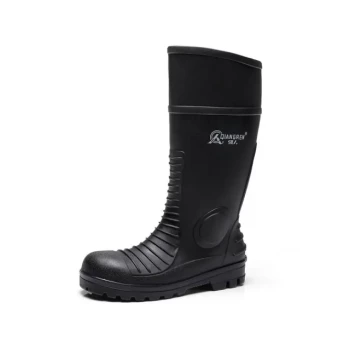
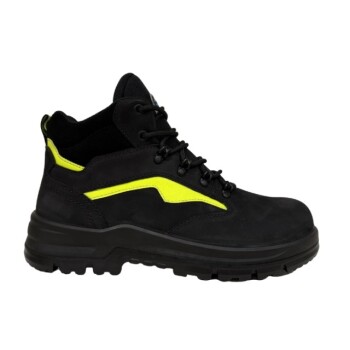
Yes, the primary function of a quality work boot is to provide superior traction, but their effectiveness is highly dependent on the design of the sole and the specific type of slippery surface you encounter. Most modern work boots feature slip-resistant outsoles specifically engineered to prevent falls in hazardous environments. However, not all slip-resistant technologies are created equal.
The term "slip-resistant" is not a universal guarantee of safety. True traction comes from correctly matching the boot's outsole material, tread pattern, and specific design features to the unique hazards of your work environment, whether that's water, oil, or ice.
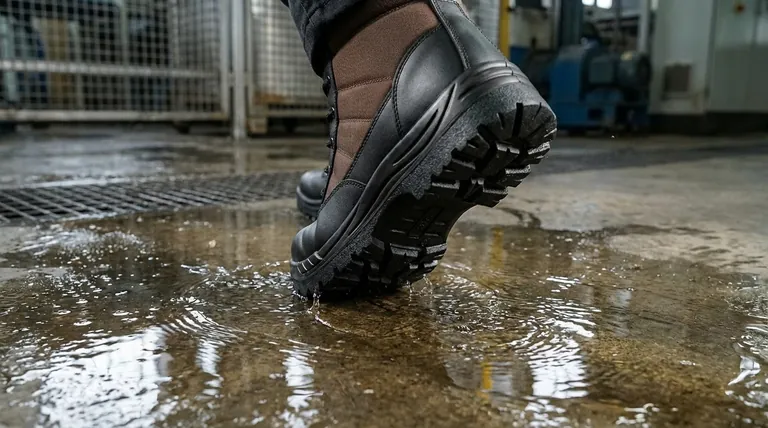
What Actually Creates Traction in a Work Boot?
Understanding the mechanics of a boot's outsole is the key to identifying genuine slip resistance. Three core elements work together to create a secure grip.
The Role of Outsole Material
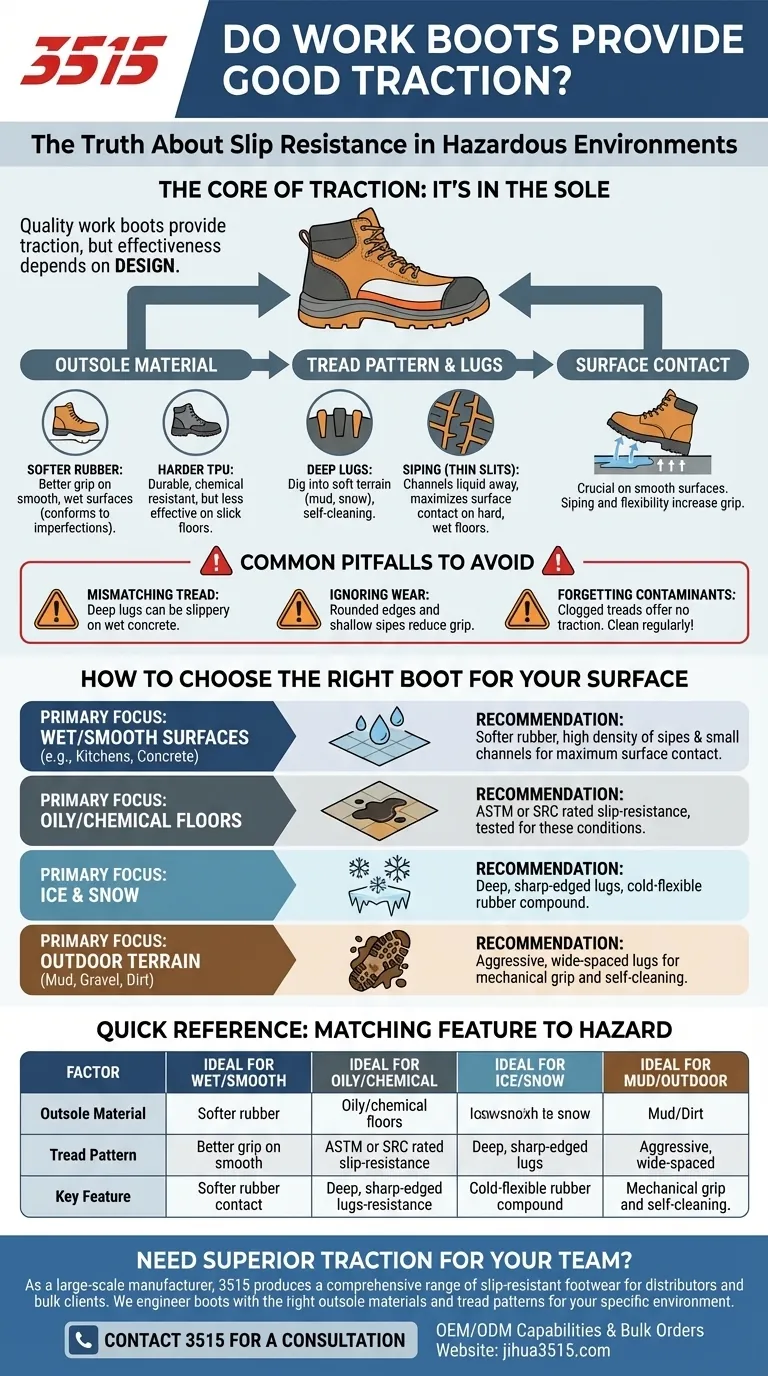
The compound used for the outsole is your first point of contact with the ground. Softer rubber compounds generally offer a better grip on smooth, wet surfaces because they can conform more effectively to microscopic imperfections in the flooring.
Harder materials like Thermoplastic Polyurethane (TPU) offer superior durability and resistance to chemicals but can be less effective on slick indoor floors.
Understanding Tread Patterns and Lugs
The pattern on the bottom of your boot is not for aesthetics; it's a functional system. Lugs are the deep indentations and protruding blocks that define the tread.
Deep, widely-spaced lugs are designed for soft surfaces like mud, snow, or gravel. They dig into the terrain for grip and are self-cleaning, shedding debris so the tread doesn't get clogged.
The Importance of Surface Contact
Conversely, on smooth, hard surfaces covered in water or oil, you need maximum surface contact. Many boots designed for these conditions feature siping—thin, razor-like slits in the outsole lugs.
These tiny channels flex open under pressure, increasing the sole's surface area and pushing liquids away from the point of contact, much like the tread on a high-performance car tire.
Common Pitfalls to Avoid
Choosing the wrong boot for the environment can create a false sense of security and may even increase your risk of a fall.
Mismatching the Tread to the Surface
A boot with deep, aggressive lugs designed for outdoor terrain can be surprisingly slippery on a smooth, wet concrete floor. The large lugs reduce the amount of surface area in contact with the floor, compromising grip.
Ignoring the Impact of Wear
Traction is not permanent. As a boot's outsole wears down, the sharp edges of the tread pattern become rounded and the water-channeling sipes become shallow. This significantly reduces the boot's ability to provide a secure grip.
Forgetting About Contaminants
The best tread pattern in the world is useless if it's clogged. Mud, sawdust, or other debris can fill the channels in your outsole, effectively creating a smooth, flat surface with no traction. Regular cleaning is essential for maintaining grip.
How to Choose the Right Boot for Your Surface
Focus on the specific hazard you face most often to make the most effective choice.
- If your primary focus is wet, smooth surfaces (e.g., kitchens, concrete floors): Look for boots with softer rubber outsoles and a high density of small channels or siping to maximize surface contact and channel water away.
- If your primary focus is ice and snow: Prioritize boots with deep, sharp-edged lugs and a rubber compound specifically designed to stay flexible in cold temperatures.
- If your primary focus is oily or chemical-covered floors: Seek out boots with an explicit ASTM or "SRC" slip-resistance rating, as these are tested specifically for these challenging conditions.
- If your primary focus is outdoor terrain (mud, gravel, dirt): Choose boots with aggressive, wide-spaced lugs that provide excellent mechanical grip and shed debris easily.
Selecting the right work boot is an essential act of risk assessment, not just a purchase.
Summary Table:
| Factor | Ideal for Wet/Smooth Surfaces | Ideal for Oily/Chemical Floors | Ideal for Ice/Snow | Ideal for Mud/Outdoor Terrain |
|---|---|---|---|---|
| Outsole Material | Soft, flexible rubber | ASTM/SRC-rated rubber | Cold-temperature flexible rubber | Durable rubber or TPU |
| Tread Pattern | High density of sipes & small channels | Tested for oil/grease resistance | Deep, sharp-edged lugs | Wide-spaced, aggressive, self-cleaning lugs |
| Key Feature | Maximizes surface contact, channels water | Certified slip resistance | Mechanical grip, prevents snow buildup | Debris shedding, deep penetration |
Need Work Boots with Superior Traction for Your Team?
As a large-scale manufacturer, 3515 produces a comprehensive range of slip-resistant footwear for distributors, brand owners, and bulk clients. Our production capabilities encompass all types of safety boots and shoes, engineered with the right outsole materials and tread patterns for your specific work environment.
We help you mitigate workplace risks and enhance safety with boots designed for genuine slip resistance. Let's discuss your requirements and find the perfect solution for your customers or workforce.
Contact 3515 today for a consultation to explore our OEM/ODM capabilities and bulk order options.
Visual Guide
Related Products
- Durable Leather Work Boots for Wholesale & Custom Manufacturing
- Durable Leather Work Boots for Wholesale & Custom OEM Manufacturing
- Durable Leather Work Boots Wholesale Manufacturer & Custom Factory
- Durable Leather Moc Toe Work Boots for Wholesale & Custom Manufacturing
- Wholesale Leather Work Boots with Customizable Wedge Sole for Brands
People Also Ask
- What is the difference between full-grain and top-grain leather? Premium Material Guide for Boot Manufacturers
- What are the common workplace hazards that can be mitigated with the right work boots? Protect Your Workforce
- What are the common foot issues workers face due to uncomfortable work boots? Prevent Pain & Deformities
- What are the advantages of leather versus synthetic work boots? A Guide to Choosing the Right Material
- What are the key components of modern work boots? Engineered for Ultimate Durability and Comfort