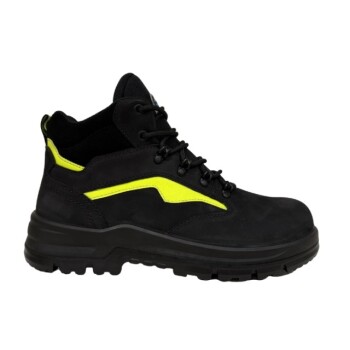
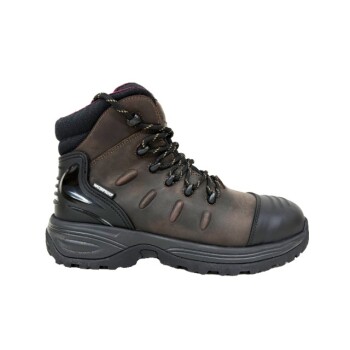
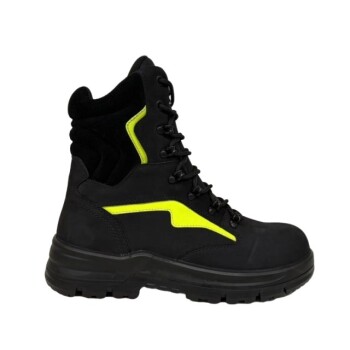
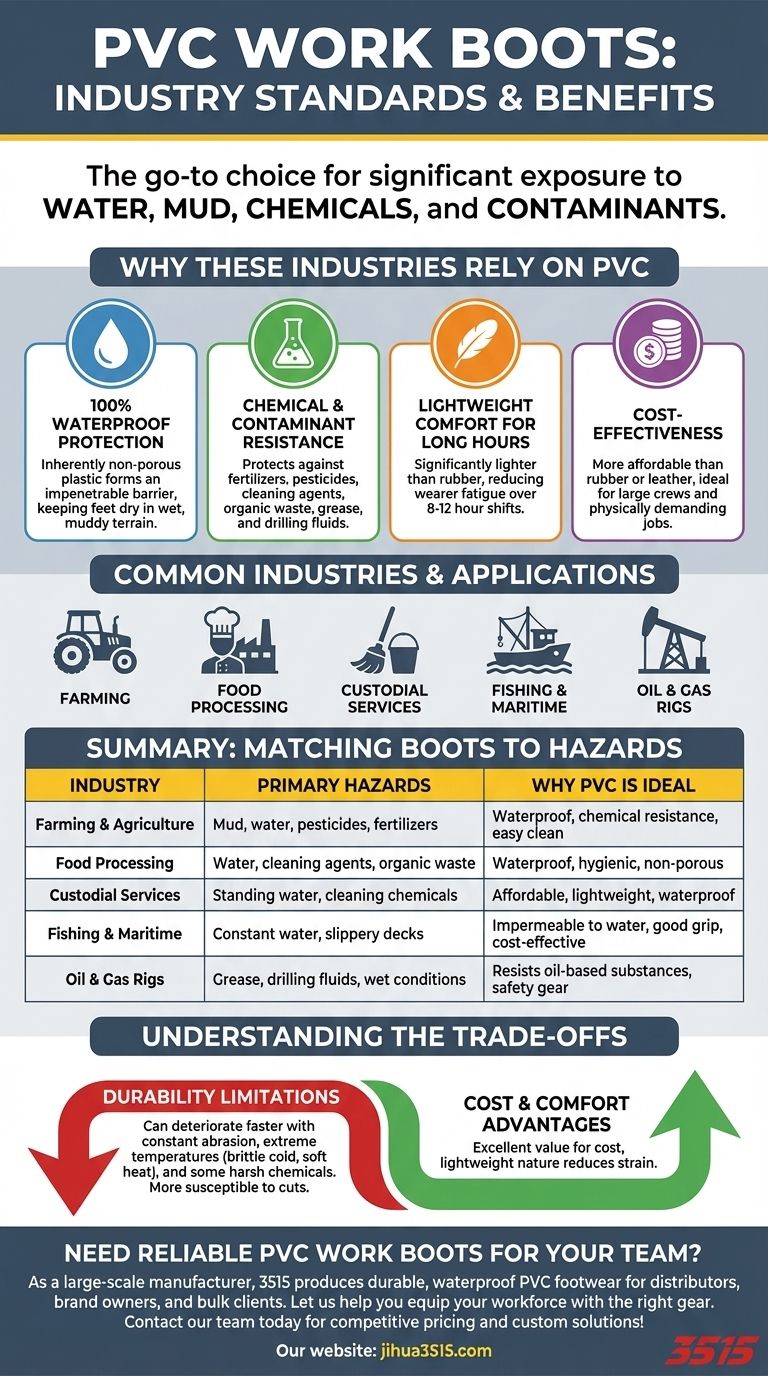
In short, PVC work boots are the standard choice for jobs that involve significant exposure to water, mud, chemicals, and other contaminants. They are most commonly found in industries like farming and agriculture, food processing, custodial services, fishing, and on oil rigs.
The core reason PVC boots are chosen for these demanding jobs is their unique combination of being 100% waterproof, resistant to many chemicals, lightweight, and highly affordable, offering essential protection in harsh environments without a high cost.
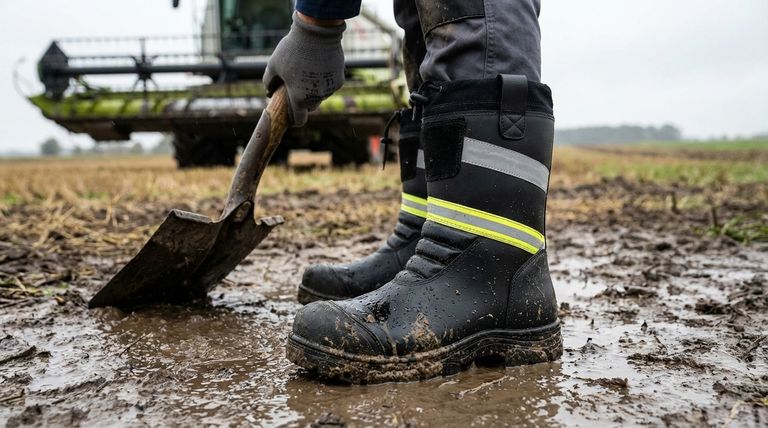
Why These Industries Rely on PVC
The specific properties of Polyvinyl Chloride (PVC) make it an ideal material for footwear in certain challenging conditions. Understanding these properties explains why specific professions have adopted it as essential gear.
Complete Waterproof Protection
PVC is a non-porous plastic, which means boots made from it are inherently waterproof. This isn't a coating or a treatment; the material itself forms an impenetrable barrier against liquids.
This is critical for workers in agriculture, fishing, or custodial services who are constantly on wet or muddy terrain. Keeping feet dry is essential for comfort, health, and preventing conditions like trench foot.
Resistance to Chemicals and Contaminants
Many work environments involve more than just water. PVC offers reliable protection against a range of substances commonly found in these jobs.
On farms, this includes fertilizers and pesticides. In food processing, it's cleaning agents and organic waste. On oil rigs, it's grease and drilling fluids. This chemical resistance is a primary safety feature.
Lightweight Comfort for Long Hours
Compared to traditional materials like rubber, PVC is significantly lighter. This reduction in weight directly translates to less fatigue for the wearer over a long workday.
For someone standing or walking for 8-12 hours, lighter footwear can make a substantial difference in overall energy levels and reduce strain on their legs and back.
Cost-Effectiveness
PVC work boots are generally more affordable than their rubber or leather counterparts. For companies that need to outfit large crews or for individuals in physically demanding jobs where boots wear out, this low cost is a major advantage.
Understanding the Trade-offs
While PVC offers clear benefits, it's important to recognize its limitations to make an informed decision. No single material is perfect for every situation.
Durability vs. Cost
The primary trade-off with PVC is its durability compared to high-quality rubber. While excellent for its cost, PVC can deteriorate faster when exposed to constant abrasion, extreme temperatures, or certain harsh chemicals.
It may become brittle in the cold or soften in high heat, and it is more susceptible to cuts and punctures than thicker, denser rubber compounds. This is the price paid for its lightweight and low-cost nature.
Is PVC the Right Choice for Your Work?
Your ideal boot depends entirely on your daily environment and priorities.
- If your primary focus is working in wet, muddy, or contaminated areas: PVC boots offer the best value for waterproof and chemical protection.
- If your primary focus is affordability and lightweight comfort: PVC is an excellent choice for reducing fatigue during long shifts without a major investment.
- If your primary focus is extreme durability in abrasive environments: You may want to consider investing in higher-cost rubber boots that can better withstand punctures and wear.
Ultimately, choosing the right boot means matching the material's strengths to the specific hazards of your job.
Summary Table:
| Industry/Job | Primary Hazards | Why PVC is Ideal |
|---|---|---|
| Farming & Agriculture | Mud, water, pesticides, fertilizers | 100% waterproof, chemical resistance, easy to clean |
| Food Processing | Water, cleaning agents, organic waste | Waterproof, hygienic, non-porous surface |
| Custodial Services | Standing water, cleaning chemicals | Affordable, lightweight for long hours, waterproof |
| Fishing & Maritime | Constant water exposure, slippery decks | Impermeable to water, good grip, cost-effective |
| Oil & Gas Rigs | Grease, drilling fluids, wet conditions | Resists oil-based substances, essential safety gear |
Need reliable PVC work boots for your team?
As a large-scale manufacturer, 3515 produces a comprehensive range of durable, waterproof PVC footwear for distributors, brand owners, and bulk clients. We offer essential protection tailored to the harsh conditions of farming, food processing, and industrial work, combining safety with cost-effectiveness.
Let us help you equip your workforce with the right gear. Contact our team today for competitive pricing and custom solutions!
Visual Guide
Related Products
- Wholesale Customizable Safety Boots Durable & Protective Footwear Manufacturing
- Wholesale Heavy-Duty Waterproof Steel Toe Work Boots OEM Manufacturer
- Durable Leather Work Boots for Wholesale & Custom Manufacturing
- Durable Leather Work Boots for Wholesale & Custom OEM Manufacturing
- Durable Leather Moc Toe Work Boots for Wholesale & Custom Manufacturing
People Also Ask
- Why are industrial safety boots with steel toes necessary for machine operators? Essential Foot Protection for Safety
- What is the history of steel toe work boots? From German Invention to Modern Safety Standard
- What are the different types of steel toe work boots? Choose the Right Boot for Your Job
- What are the pros and cons of steel toe work boots? A Guide to Maximum Protection vs. Comfort
- What industries are safety toe work boots best suited for? Protect Your Feet in High-Risk Environments