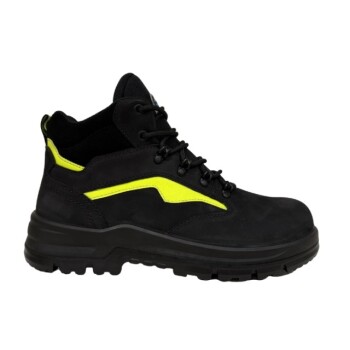
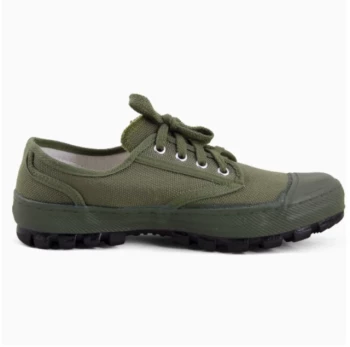
In short, yes. You can absolutely use heavy-duty work boots for hiking, as they often provide the necessary durability, ankle support, and traction required for rugged terrain. However, this is not their primary design purpose, which introduces critical trade-offs in weight, flexibility, and long-distance comfort that you must consider before hitting the trail.
While a work boot can function for hiking, it is often a tool of compromise. The fundamental difference is that hiking boots are engineered for distance and comfort, while work boots are built for immediate protection and durability in a more stationary environment.
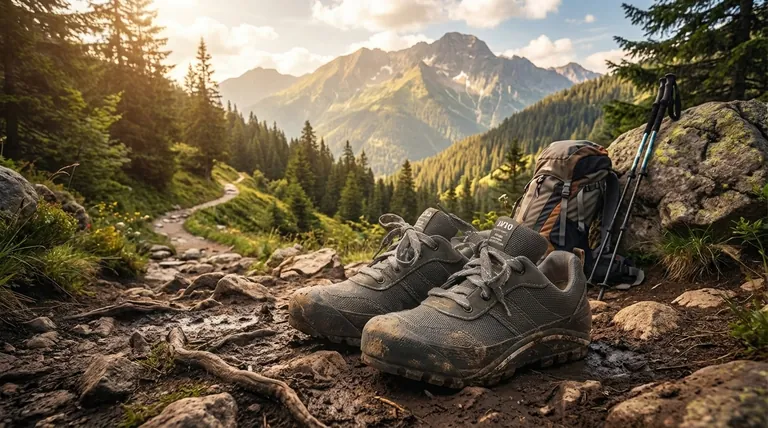
The Core Design Philosophies: Protection vs. Performance
Understanding the intended purpose of each boot type is the key to making an informed decision. Their designs solve for different problems.
Work Boots: Built for On-Site Safety
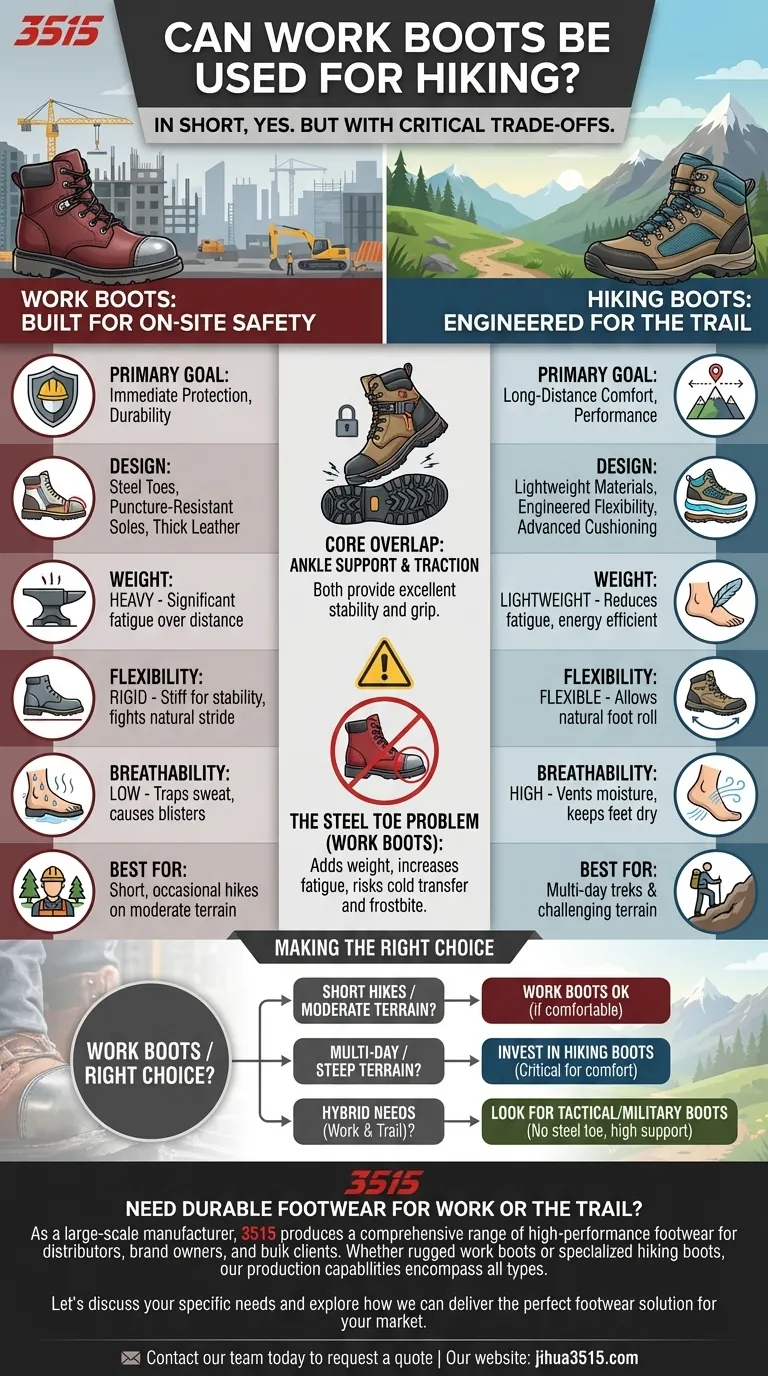
Work boots are designed to protect your feet from immediate, high-impact workplace hazards.
Their construction prioritizes features like steel toes for impact protection, puncture-resistant soles, and thick leather uppers to guard against abrasion or chemical spills. Weight and rigidity are often byproducts of this protective design.
Hiking Boots: Engineered for the Trail
Hiking boots are designed to carry you comfortably and efficiently over long distances on varied terrain.
They prioritize lightweight materials, engineered flexibility to allow a natural foot roll, and advanced cushioning to absorb thousands of repetitive impacts. Breathability is also critical for managing sweat and preventing blisters.
Key Performance Factors to Consider
Where work boots and hiking boots excel and fall short often comes down to a few key characteristics.
Weight and Fatigue
The heavy materials and protective elements in work boots add significant weight. Over thousands of steps on a trail, this extra weight dramatically increases fatigue and energy expenditure compared to a lightweight hiking boot.
Flexibility and Comfort
Hiking involves a constant, rolling heel-to-toe motion. Many work boots, especially those with steel shanks, are intentionally rigid to create a stable platform. This stiffness can fight against your natural stride, leading to discomfort and even pain on longer hikes.
Breathability and Moisture Management
Thick, heavy-duty leather work boots offer poor ventilation, trapping sweat against your foot. This moisture is the primary cause of blisters. Hiking boots use breathable membranes and synthetic panels to actively vent moisture vapor, keeping your feet drier and more comfortable.
Ankle Support and Traction
This is the area with the most overlap. Both high-quality work boots and hiking boots provide excellent ankle support to prevent sprains on uneven ground. Likewise, both often feature rugged outsoles with deep lugs for reliable traction. Military and tactical boots are a perfect example of this functional crossover.
Understanding the Trade-offs and Pitfalls
Using a work boot for a hike is not without its risks, especially as the distance and difficulty increase.
The Steel Toe Problem
A steel toe is a liability on the trail. It adds unnecessary weight at the very end of your leg, amplifying fatigue with every step. In cold weather, the steel can also transfer cold directly to your toes, creating a significant risk for discomfort or frostbite.
The Break-In Period
While modern hiking boots are often comfortable right out of the box, traditional leather work boots can require a long and often painful break-in period. If your boots aren't fully broken in, a long hike is not the place to start.
Unsuitable Footwear to Avoid
While work boots can be a decent substitute, some footwear should never be used for serious hiking. Rubber boots are waterproof but offer no support, traction, or breathability. Similarly, sandals leave your feet completely exposed to rocks, roots, and debris.
Making the Right Choice for Your Hike
Your existing work boots may be perfectly adequate or a significant liability depending on your specific goal.
- If your primary focus is short, occasional hikes on moderate terrain: Your sturdy work boots will likely suffice, especially if they are already comfortable and well broken-in.
- If your primary focus is multi-day treks or challenging, steep terrain: Investing in dedicated hiking boots is critical for preventing fatigue, blisters, and potential injury.
- If you need a hybrid boot for both work and the trail: Look for lighter "tactical" or "military-style" boots that lack a steel toe but retain high ankle support and an aggressive outsole.
Choosing the right footwear is about matching the tool to the task for maximum safety, comfort, and enjoyment on the trail.
Summary Table:
| Feature | Work Boots | Hiking Boots |
|---|---|---|
| Primary Design Goal | On-site safety & protection | Long-distance comfort & performance |
| Weight | Heavy (due to protective features) | Lightweight |
| Flexibility | Rigid (for stability) | Flexible (for natural foot roll) |
| Breathability | Low (traps moisture) | High (manages sweat) |
| Best For | Short, occasional hikes on moderate terrain | Multi-day treks & challenging terrain |
Need Durable Footwear for Work or the Trail?
As a large-scale manufacturer, 3515 produces a comprehensive range of high-performance footwear for distributors, brand owners, and bulk clients. Whether you need rugged work boots with superior safety features or specialized hiking boots engineered for comfort on long trails, our production capabilities encompass all types of shoes and boots.
Let's discuss your specific needs and explore how we can deliver the perfect footwear solution for your market.
Contact our team today to request a quote
Visual Guide
Related Products
- Durable Leather Work Boots for Wholesale & Custom Manufacturing
- Durable Leather Work Boots for Wholesale & Custom OEM Manufacturing
- Durable Leather Work Boots Wholesale Manufacturer & Custom Factory
- Durable Leather Moc Toe Work Boots for Wholesale & Custom Manufacturing
- Wholesale Leather Work Boots with Customizable Wedge Sole for Brands
People Also Ask
- What is the difference between full-grain and top-grain leather? Premium Material Guide for Boot Manufacturers
- What are the common workplace hazards that can be mitigated with the right work boots? Protect Your Workforce
- What are the common foot issues workers face due to uncomfortable work boots? Prevent Pain & Deformities
- What are the advantages of leather versus synthetic work boots? A Guide to Choosing the Right Material
- What are the key components of modern work boots? Engineered for Ultimate Durability and Comfort