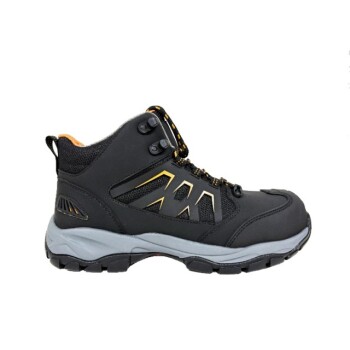
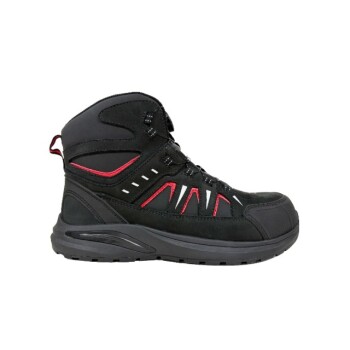
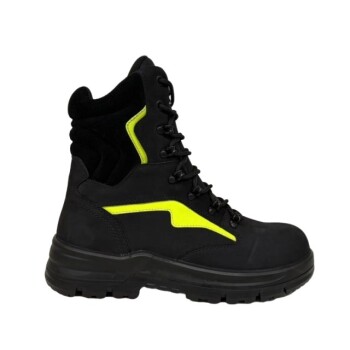
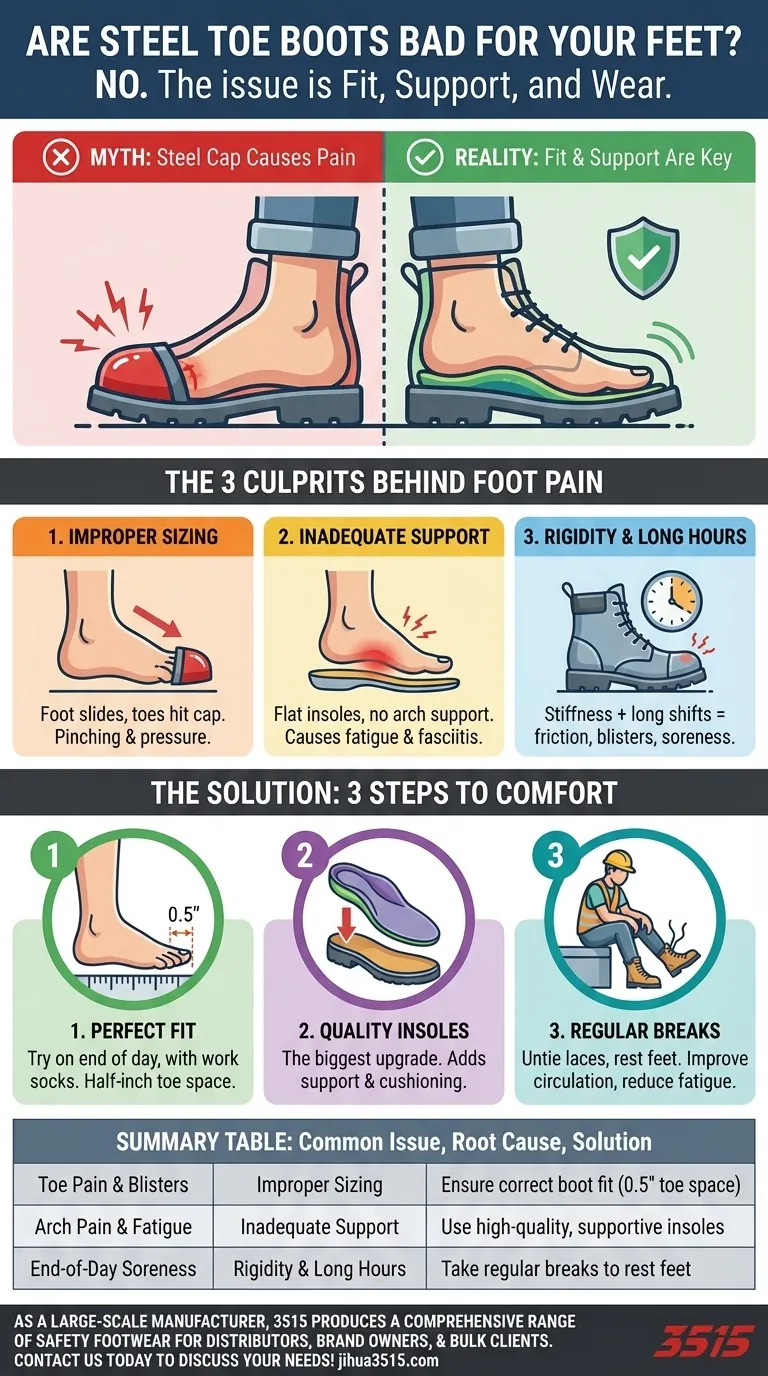
Contrary to common concerns, steel toe boots are not inherently bad for your feet. They are a critical piece of personal protective equipment designed to prevent severe workplace injuries. When foot problems arise, the issue is almost never the steel cap itself, but rather an incorrect fit, inadequate support, or improper wear.
The discomfort associated with safety footwear stems from how the boot fits and supports your foot, not from the steel toe. Achieving a proper fit and using quality insoles are the keys to combining safety with long-term foot health.
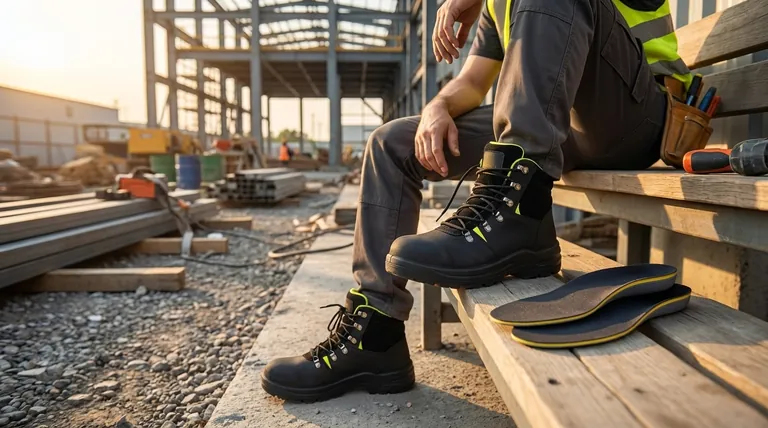
Why Steel Toe Boots Get a Bad Reputation
The perception that steel toe boots are harmful comes from common, but preventable, issues. Understanding the true cause is the first step to avoiding pain and discomfort.
The Role of the Steel Cap
The steel toe cap is a passive safety feature. It doesn't move or change shape. Problems occur when your foot is forced against this rigid component, which is always a symptom of a poorly fitting boot.
The Problem of Improper Sizing
This is the most frequent cause of foot pain. If a boot is too big, your foot can slide forward, causing your toes to repeatedly strike the steel cap. If it's too small or narrow, the cap can pinch your toes and create painful pressure points.
The Impact of Inadequate Support
Most safety boots come with basic, flat insoles that offer minimal cushioning and no arch support. Over long hours on hard surfaces, this lack of support can lead to fatigue, arch pain, and conditions like plantar fasciitis.
The Rigidity Factor
By design, safety boots are far more rigid than casual shoes. This stiffness provides protection and stability but also means the boot is less forgiving. Without a perfect fit, this rigidity can cause friction, leading to blisters and calluses.
Understanding the Trade-offs: Protection vs. Comfort
Wearing safety footwear involves balancing non-negotiable protection with personal comfort. It is not about choosing one over the other, but about optimizing both.
The Primary Goal is Safety
A steel toe boot is designed to protect you from crushing, falling, and sharp objects. This protection can prevent catastrophic, life-altering injuries, a trade-off that is always worth prioritizing.
The Compromise on Flexibility
You must accept that a safety boot will never feel like a running shoe. Its protective structure limits flexibility and adds weight. The goal is to find the most comfortable boot that meets the safety standards your job requires.
The Wearer's Responsibility
The manufacturer provides a protective shell. It is your responsibility to ensure that the shell is the right size and that you supplement it with the necessary support (like insoles) for your specific foot shape and work environment.
How to Wear Steel Toe Boots Without Pain
You can eliminate most foot problems by focusing on three key areas: fit, support, and daily habits.
Prioritize the Perfect Fit
Getting the size right is crucial. Always try on boots at the end of the day when your feet are slightly swollen, and wear the same type of socks you use for work. There should be about a half-inch of space between your longest toe and the end of the boot.
Invest in High-Quality Insoles
This is the single most effective upgrade for any work boot. Aftermarket insoles provide the arch support and cushioning that stock inserts lack, properly distributing pressure across your foot and reducing fatigue.
Take Regular Breaks
When possible, take short breaks to sit down and rest your feet. Untying your laces for a few minutes can relieve pressure and improve circulation, dramatically reducing end-of-day soreness and fatigue.
Making the Right Choice for Your Foot Health
Your approach should be tailored to solving your specific comfort and safety goals.
- If your primary focus is preventing toe pain and blisters: Confirm you are wearing the correct size and width to stop your foot from moving and hitting the steel cap.
- If your primary focus is avoiding arch pain and fatigue: Supplement your properly fitted boots with high-quality insoles that match your arch type.
- If your primary focus is all-day comfort during extended shifts: Combine a perfect fit and supportive insoles with the habit of taking regular breaks to rest your feet.
Ultimately, a steel toe boot is a tool for your safety that, when fitted and supported correctly, will protect you without causing harm.
Summary Table:
| Common Issue | Root Cause | Solution |
|---|---|---|
| Toe Pain & Blisters | Improper Sizing | Ensure correct boot fit with half-inch toe space |
| Arch Pain & Fatigue | Inadequate Support | Use high-quality, supportive insoles |
| End-of-Day Soreness | Rigidity & Long Hours | Take regular breaks to rest feet |
As a large-scale manufacturer, 3515 produces a comprehensive range of safety footwear for distributors, brand owners, and bulk clients. Our production capabilities encompass all types of steel toe boots designed with both protection and comfort in mind. Let us help you find the perfect fit for your workforce—contact us today to discuss your safety footwear needs!
Visual Guide
Related Products
- Durable Steel Toe Safety Boots Wholesale & Custom Manufacturing
- Wholesale Durable Breathable Safety Boots Custom OEM Manufacturer
- Wholesale Durable 6-Inch Work Boots | Custom & Private Label Manufacturer
- Puncture-Resistant Velcro Safety Boots for Wholesale & Custom Manufacturing
- Premium Sport Style Safety Boots for Bulk Orders
People Also Ask
- Why are industrial safety boots with steel toes necessary for machine operators? Essential Foot Protection for Safety
- Why is it mandatory to wear safety shoes with steel toe protection during metal loading? Prevent Crushing Injuries
- What are the main materials used in steel toe safety shoes? A Guide to Protective Footwear Construction
- What are the characteristics of steel toe safety boots? Maximum Protection, Key Trade-offs
- Is it true that steel toes can cause toes to get cut off? Debunking the Dangerous Myth