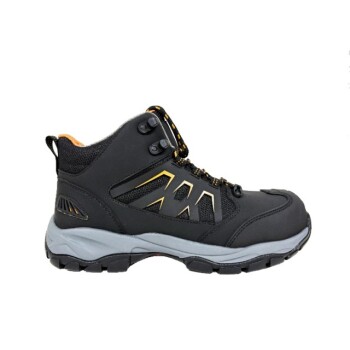
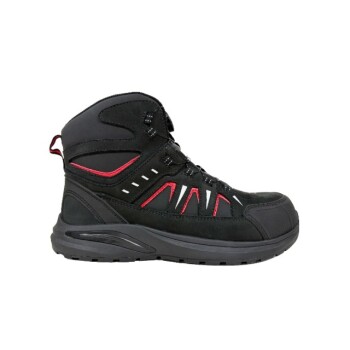
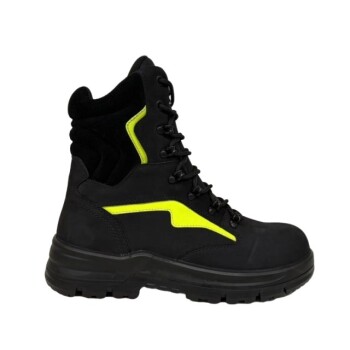
At its core, a steel toe boot is considered durable because its entire design serves a single purpose: to protect the foot in hazardous environments. This requires robust construction that can withstand significant impact, compression, and punctures from heavy or sharp objects, naturally leading to a boot that lasts for years even in harsh conditions.
The durability of a steel toe boot extends beyond the metal cap. It is the result of a complete system—high-quality materials, reinforced construction, and a design philosophy centered on withstanding industrial-level stress.
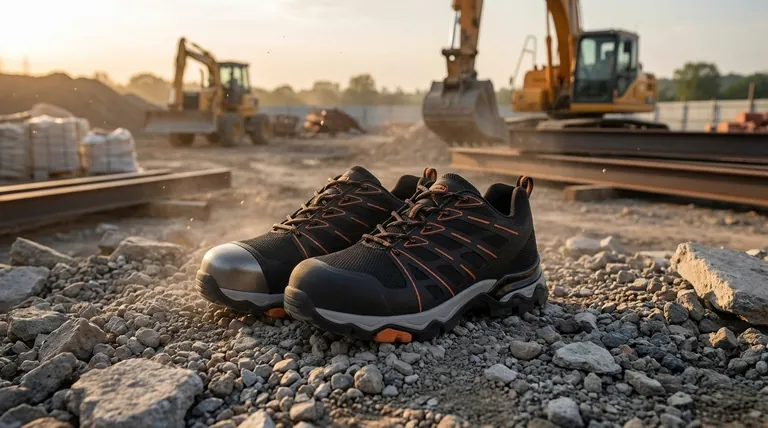
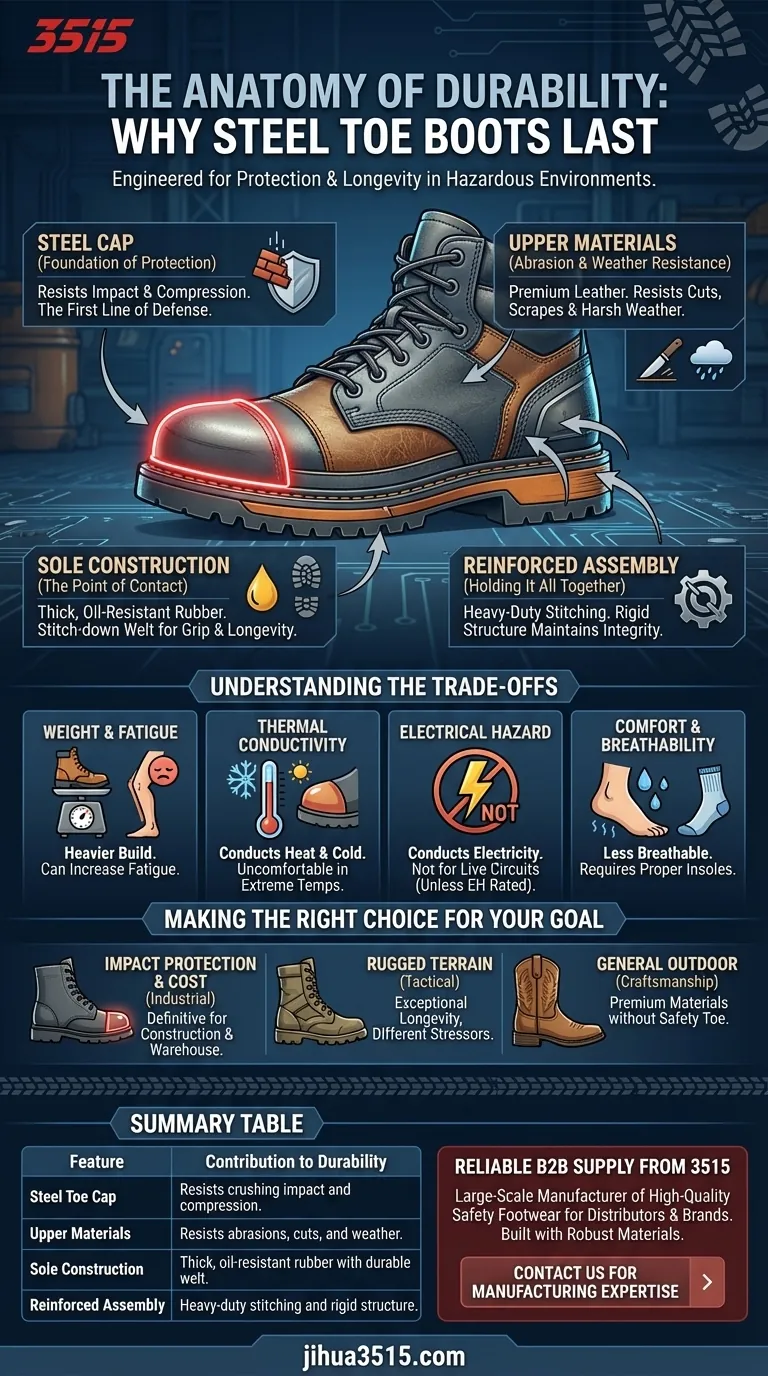
The Anatomy of a Durable Work Boot
True durability is built from the ground up. Several key components work together to ensure a steel toe boot can survive demanding environments where other footwear would quickly fail.
The Steel Cap: The Foundation of Protection
The most defining feature is the reinforced steel toe cap. Its primary job is to resist crushing forces and high-impact blows from falling objects, making it the first line of defense.
This core protective element dictates a certain level of robust construction throughout the rest of the boot to support it.
Upper Materials: Resisting Abrasions and Weather
Most high-quality work boots use premium leather or other heavy-duty materials for the upper portion. These materials are chosen for their ability to resist cuts, scrapes, and the general wear and tear of a worksite.
They are also selected to withstand rough weather conditions, from water to mud, protecting both the foot and the boot's integrity.
Sole Construction: The Point of Contact
The sole is critical for longevity. Durable work boots feature thick, oil-resistant rubber soles that provide grip and resist degradation from chemicals.
Many also feature stitch-down welt construction, a time-tested method of attaching the sole to the upper that is far more durable and often repairable compared to simple adhesives.
Reinforced Assembly: Holding It All Together
Beyond the individual components, overall durability comes from how the boot is assembled. Features like heavy-duty stitching and a rigid structure ensure the boot maintains its shape and integrity over time.
This is a principle shared with other durable footwear, like tactical and military boots, which are also built to withstand extreme conditions and rugged terrain without falling apart.
Understanding the Trade-offs
While exceptionally durable and protective, the design of a steel toe boot comes with inherent compromises that are important to understand.
Weight and Fatigue
The steel cap and robust construction add significant weight. Over a long workday, this can lead to greater fatigue compared to lighter boots.
Thermal Conductivity
Steel is an excellent conductor of temperature. This means steel toe boots can feel uncomfortably cold in winter and hot in summer, as the metal cap transfers the ambient temperature to your foot.
Electrical Hazard
A standard steel toe boot conducts electricity, making it a dangerous choice for electricians or anyone working with live circuits. Specialized Electrical Hazard (EH) rated boots are required for such jobs.
Comfort and Breathability
The heavy leather and rugged materials required for durability often result in a boot that is less breathable than other footwear. Proper insoles and moisture-wicking socks are often necessary for all-day comfort.
Making the Right Choice for Your Goal
Selecting the right boot means matching its specific durability features to your primary need.
- If your primary focus is impact protection and cost-effectiveness: A traditional steel toe boot is the definitive choice for durability in industrial, construction, or warehouse environments.
- If your primary focus is durability across rugged terrain: A tactical or military boot offers exceptional longevity and structural integrity, prioritizing different stressors than a worksite.
- If your primary focus is general outdoor work and craftsmanship: A high-quality Western or traditional work boot without a safety toe can be extremely durable due to its premium materials and construction.
Ultimately, choosing the most durable boot means understanding that true longevity comes from selecting the right tool for the job.
Summary Table:
| Feature | Contribution to Durability |
|---|---|
| Steel Toe Cap | Resists crushing impact and compression from heavy objects. |
| Upper Materials | Premium leather resists abrasions, cuts, and harsh weather. |
| Sole Construction | Thick, oil-resistant rubber with durable welt construction for grip and longevity. |
| Reinforced Assembly | Heavy-duty stitching and rigid structure maintain integrity under stress. |
Need a reliable supply of durable work boots?
As a large-scale manufacturer, 3515 produces a comprehensive range of high-quality steel toe and safety footwear for distributors, brand owners, and bulk clients. Our production capabilities ensure every boot is built with the robust materials and construction detailed above, delivering the durability your customers demand.
Contact us today to discuss your footwear needs and benefit from our manufacturing expertise.
Visual Guide
Related Products
- Durable Steel Toe Safety Boots Wholesale & Custom Manufacturing
- Wholesale Durable Breathable Safety Boots Custom OEM Manufacturer
- Wholesale Durable 6-Inch Work Boots | Custom & Private Label Manufacturer
- Puncture-Resistant Velcro Safety Boots for Wholesale & Custom Manufacturing
- Premium Sport Style Safety Boots for Bulk Orders
People Also Ask
- Why are industrial safety boots with steel toes necessary for machine operators? Essential Foot Protection for Safety
- Why is it mandatory to wear safety shoes with steel toe protection during metal loading? Prevent Crushing Injuries
- What are the main materials used in steel toe safety shoes? A Guide to Protective Footwear Construction
- What are the characteristics of steel toe safety boots? Maximum Protection, Key Trade-offs
- Is it true that steel toes can cause toes to get cut off? Debunking the Dangerous Myth