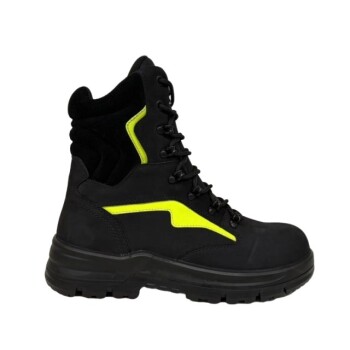
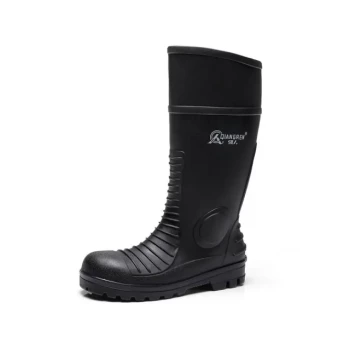
Standardized protective footwear constitutes a critical line of defense in agricultural biosecurity. Because technical advisors and external visitors frequently travel between multiple agricultural sites, they act as high-risk vectors for disease transmission. Mandating the use of farm-controlled footwear eliminates the variable risk of outside contaminants entering the facility via personal shoes, thereby securing the internal sterility of the poultry house.
The rigorous control of footwear is not merely about hygiene; it is a strategic containment measure designed to neutralize the high transmission risk posed by personnel who circulate through different agricultural environments.
The Mechanics of Pathogen Transmission
The Threat of Inter-Site Movement
Technical advisors and industry visitors rarely visit a single site in isolation. Their role requires them to move sequentially between different farms, creating a physical chain of contact.
Without intervention, their personal footwear becomes a transport mechanism for biological matter. This makes them high-risk vectors capable of carrying pathogens from an infected site directly to a clean one.
The Failure of Personal Footwear
Allowing visitors to wear their own shoes introduces an unmanageable variable into the farm's biosecurity equation. Even if footwear appears clean visually, it may harbor microscopic contaminants picked up at previous locations.
There is no reliable way for a farm manager to verify the sanitation history of a visitor's personal shoes. Therefore, the only way to ensure safety is to remove this variable entirely.
The Logic of Farm-Controlled Standardization
Establishing a Controlled Barrier
By providing standardized footwear on-site, the farm takes full control of the "contact surface" that touches the poultry house floor.
This practice ensures that the material touching the internal environment has never been exposed to external biological risks. It acts as a firewall, severing the path of transmission at the entryway.
Maintaining Internal Sterility
The primary goal of poultry housing is to maintain a controlled, sterile internal environment to protect flock health.
External personnel are necessary for operations, but their movement threatens this stability. Standardized footwear allows for necessary human interaction while maintaining the environmental integrity of the production area.
Common Pitfalls in Implementation
The Risk of Improper Protocol
While providing footwear is essential, it is not a "magic bullet" if the exchange process is flawed.
If a visitor steps on the "clean" side of the entry barrier with their personal shoes before changing, the protective footwear becomes contaminated immediately.
One Size Does Not Fit All
Standardized footwear must be available in appropriate sizes for all visitors. Ill-fitting protective gear can compromise safety or lead to visitors bypassing protocols for comfort.
Effective biosecurity requires that the barrier equipment is functional and usable for every individual entering the site.
Ensuring Effective Biosecurity
Depending on your role in the operation, the application of this protocol varies.
- If your primary focus is Farm Management: Enforce a strict "no outside footwear" policy without exception to maintain total control over the internal floor environment.
- If your primary focus is Technical Advisory: View the provision of farm-specific footwear as a professional necessity that protects your reputation by ensuring you never become a vector for disease.
Biosecurity is only as strong as its weakest entry point; controlling footwear is the foundational step in sealing that breach.
Summary Table:
| Biosecurity Risk Factor | Impact of Standardized Footwear | Benefit to Poultry Operation |
|---|---|---|
| Inter-Site Movement | Severs the chain of contact between multiple farm sites | Prevents cross-contamination |
| Hidden Pathogens | Replaces unverified personal shoes with sanitized gear | Ensures internal sterility |
| Human Error | Provides a physical barrier at the entry 'firewall' | Neutralizes high-risk vectors |
| Environmental Control | Maintains a consistent 'contact surface' on floors | Protects flock health and integrity |
Secure Your Facility with 3515 Specialized Protective Solutions
Biosecurity is only as strong as your weakest entry point. As a large-scale manufacturer serving distributors and brand owners globally, 3515 offers comprehensive production capabilities to help you maintain total environmental integrity.
Our flagship Safety Shoes series and extensive portfolio—including tactical boots, sneakers, and formal footwear—provide the durability and standardization required to protect agricultural and industrial sites. Partner with us to deliver high-quality, reliable footwear that meets your bulk requirements and ensures the safety of your clients' operations.
Ready to enhance your product lineup? Contact us today to discuss your customized manufacturing needs!
References
- Andrea Laconi, Alessandra Piccirillo. Stakeholders’ Perceptions of Biosecurity Implementation in Italian Poultry Farms. DOI: 10.3390/ani13203246
This article is also based on technical information from 3515 Knowledge Base .
Related Products
- Premium Suede Sport Safety Shoes for Wholesale & Bulk Orders
- Premium Lightweight Safety Shoes for Wholesale & Bulk Orders
- Premium Waterproof Nubuck Safety Boots for Wholesale
- Wholesale Customizable Safety Boots Durable & Protective Footwear Manufacturing
- Wholesale Anti-Smash & Puncture-Proof Safety Shoes Custom Manufacturing for Brands
People Also Ask
- What are the primary functions of professional safety shoes? Maximize Safety in Water Supply Confined Spaces
- What industries have specific OSHA footwear requirements? Ensure Compliance & Protect Your Workforce
- What role do specialized safety shoes play in preventing falls? Engineering Stability in Industrial Environments
- How Specialized Footwear Impacts Side-Cutting Performance and Injury Risk Assessment
- How do gait analysis algorithms ensure accuracy in footwear? Master Step Length Precision for Boots & Sneakers