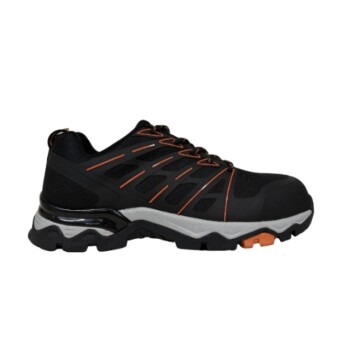
Professional-grade safety shoes function as a comprehensive defense system, primarily serving to create an impermeable barrier against liquid insecticides while simultaneously stabilizing the operator against physical hazards. By preventing dermal absorption of toxic chemicals and mitigating the risks of slips or punctures on rugged terrain, these shoes ensure compliance with occupational safety standards and protect the long-term health of mosquito control personnel.
Core Takeaway In mosquito control operations, footwear is not merely uniform but a critical safety tool; it acts as the primary line of defense against both the immediate physical dangers of wet, uneven terrain and the insidious long-term health risks posed by dermal chemical absorption.
The Critical Barrier Against Chemical Exposure
Preventing Dermal Absorption
The most urgent role of professional safety shoes is blocking liquid insecticides from penetrating the skin. During spraying operations, mist settles on the ground, creating a contaminated surface that standard footwear cannot resist. Professional-grade shoes utilize specialized, impermeable materials to stop chemicals from soaking through to the feet, preventing localized inflammation and systemic poisoning.
Protection During High-Risk Preparation
The risk of exposure is highest when handling concentrated chemicals during dilution and preparation. Safety shoes provide a shield against accidental splashes and spills of highly potent substances. This prevents direct contact with the skin during the workflow phase where chemical toxicity is at its peak.
Mitigating Physical Hazards in the Field
Stability on Compromised Surfaces
Mosquito control sites are frequently wet, slippery, or coated in pesticide residue. Safety shoes are engineered with slip-resistant outsoles designed to maintain traction on these unpredictable surfaces. This stability is vital for operators carrying heavy spraying equipment, preventing falls that could lead to injury or chemical spills.
Defense Against Terrain and Impact
Field operations often take place in rugged environments containing hidden dangers. Puncture-resistant soles block sharp objects like nails or thorns from penetrating the shoe and injuring the foot. Additionally, reinforced components, such as steel or composite toe caps, protect against crushing injuries from falling heavy objects or equipment.
Understanding the Trade-offs
Weight vs. Fatigue
While necessary for protection, the reinforced materials and thick soles of professional safety shoes add significant weight. This can lead to operator fatigue during long shifts in the field. Balancing maximum protection with ergonomic design is essential to maintain operator stamina without compromising safety.
Maintenance and Material Degradation
No material is permanently impervious to chemicals. Over time, the chemical resistance of safety shoes can degrade if not properly cleaned after every shift. Relying on old or poorly maintained footwear can create a false sense of security, as the barrier properties may fail without visible signs of damage.
Making the Right Choice for Your Goal
Selecting the correct footwear depends on the specific nature of your daily operations.
- If your primary focus is mixing and loading concentrates: Prioritize footwear with high-grade chemical resistance ratings and seamless construction to prevent liquid ingress during spills.
- If your primary focus is field application in rough terrain: Prioritize footwear with aggressive, anti-slip tread patterns and puncture-resistant mid-soles to ensure stability while carrying heavy loads.
True safety in mosquito control requires viewing footwear not as clothing, but as a calibrated instrument of personal protection.
Summary Table:
| Protective Role | Key Benefit | Essential Feature |
|---|---|---|
| Chemical Barrier | Prevents dermal absorption of toxic insecticides | Impermeable, chemical-resistant materials |
| Traction & Grip | Reduces slips and falls on wet/pesticide-coated surfaces | Slip-resistant outsoles |
| Impact Protection | Guards against heavy equipment drops or crushing | Steel or composite toe caps |
| Puncture Resistance | Stops thorns and sharp debris from piercing the sole | Puncture-resistant midsoles |
| Ergonomics | Minimizes worker fatigue during long field shifts | Lightweight, balanced construction |
Secure Your Workforce with Professional-Grade Safety Footwear
As a large-scale manufacturer serving distributors and brand owners, 3515 offers comprehensive production capabilities for all footwear types, anchored by our flagship Safety Shoes series. Our footwear is engineered to provide an impermeable barrier against chemicals while ensuring maximum stability for operators in the most challenging terrains.
Our extensive portfolio covers work and tactical boots, outdoor shoes, training shoes, and sneakers, as well as Dress & Formal shoes to meet diverse bulk requirements. Whether you need specialized protection for chemical handling or rugged boots for field applications, 3515 delivers the reliability your brand demands.
Ready to elevate your product line with high-performance safety solutions?
Contact us today to discuss your bulk manufacturing needs!
References
- Nurul Ainun Hamzah, Mohd Nazhari Mohd Nawi. Occupational Pesticide Exposure and Respiratory Effects among Mosquito Control Workers in Kota Bharu and Bachok, Kelantan. DOI: 10.11113/jest.v5n2.117
This article is also based on technical information from 3515 Knowledge Base .
Related Products
- Premium Suede Sport Safety Shoes for Wholesale & Bulk Orders
- Premium Lightweight Safety Shoes for Wholesale & Bulk Orders
- Wholesale Anti-Smash & Puncture-Proof Safety Shoes Custom Manufacturing for Brands
- Premium KPU Injection Athletic Style Safety Shoes
- Premium Safety Shoes with Rotating Buckle Safety Sneakers
People Also Ask
- What industries have specific OSHA footwear requirements? Ensure Compliance & Protect Your Workforce
- What are the primary functions of professional safety shoes? Maximize Safety in Water Supply Confined Spaces
- What role do specialized safety shoes play in preventing falls? Engineering Stability in Industrial Environments
- How do specialized safety shoes protect against battery maintenance injuries? Prevent Impact and Chemical Burns
- How do I choose the best safety shoes? Match Certified Features to Your Hazards