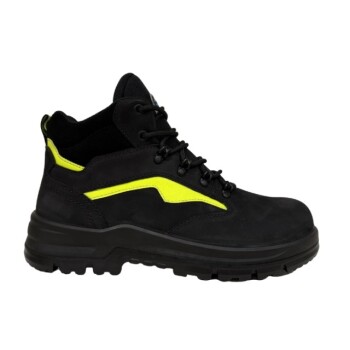
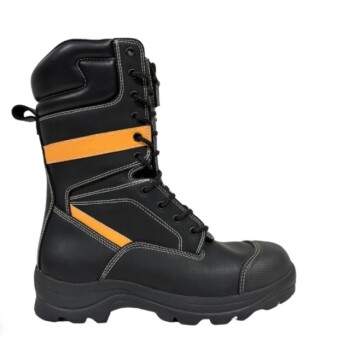
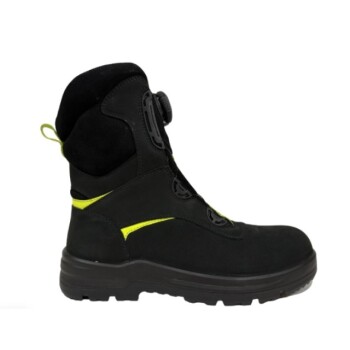
Impact and puncture resistance serve as critical barriers between a worker’s feet and the volatile environment of a commercial fishing vessel. In an industry characterized by heavy, moving gear and ubiquitous sharp tools, standard footwear offers insufficient defense against debilitating injuries. Specialized safety shoes utilize reinforced materials to absorb crushing forces and repel sharp objects, directly preventing blunt force trauma and dangerous lacerations.
By shielding feet from crushing weights and sharp penetrations, protective footwear does more than prevent injury; it ensures crew members maintain the mobility required to operate complex net systems safely.
The Physical Hazards of the Deck
Mitigating Crushing Forces
Fishing decks are dynamic environments where heavy machinery, traps, and net systems are in constant motion. The risk of heavy objects falling or shifting onto a worker's foot is a daily reality.
Impact resistance in safety footwear uses reinforced materials to act as a shield. This barrier absorbs and dissipates the energy from crushing forces, preventing broken bones and severe bruising.
Deflecting Sharp Objects
The maritime workspace is littered with sharp hazards, from fishing hooks and knives to stray nails and splintered equipment. A standard sole offers little resistance to these threats.
Puncture resistance specifically addresses this by integrating a protective barrier within the shoe. This prevents sharp objects from piercing the sole and entering the foot, stopping deep puncture wounds and potential infections.
How the Protection is Engineered
Midsole Reinforcement
To achieve puncture resistance without sacrificing too much height or stability, manufacturers position a protective plate within the midsole of the shoe.
This plate acts as a hidden shield against upward-facing hazards like nails or screws. It effectively "armors" the bottom of the foot against the debris commonly found on workplace floors.
Material Composition
The protective plates are typically constructed from either steel or composite materials.
While steel offers traditional, high-strength protection, composite materials provide a non-metallic alternative. Both are engineered to meet specific safety standards for stopping penetration.
Understanding the Trade-offs
Weight vs. Protection
One common challenge with high-impact and puncture-resistant footwear is the added weight. Steel plates and heavy reinforcements can make the boot heavier, potentially leading to faster leg fatigue during long shifts.
Flexibility Limitations
The integration of a puncture-resistant plate in the midsole inherently stiffens the sole of the shoe.
While this protects the foot, it can reduce the natural flex of the boot. Workers may find that this reduced flexibility slightly alters their gait or "ground feel" when moving across shifting decks.
Selecting the Right Gear for Your Crew
Choosing the correct footwear requires balancing maximum protection with the physical demands of the job.
- If your primary focus is maximum durability: Prioritize footwear with steel plating, as it offers a proven, rugged defense against the heaviest crushing risks.
- If your primary focus is reducing fatigue: Consider footwear with composite plates, which offer certified puncture resistance with significantly less weight than steel.
Properly equipping your team reduces the risk of maritime injury, ensuring that a dropped trap or a sharp hook doesn't result in a man down.
Summary Table:
| Feature | Protection Mechanism | Key Material Options | Primary Benefit |
|---|---|---|---|
| Impact Resistance | Reinforced toe caps/guards | Steel or Composite | Absorbs crushing force from heavy gear |
| Puncture Resistance | Protective midsole plates | Steel or Non-metallic Composite | Blocks hooks, knives, and sharp debris |
| Midsole Shielding | Internal plate integration | High-strength alloys/fibers | Prevents upward penetration through the sole |
| Safety Compliance | Certified energy absorption | Industry-standard composites | Reduces risk of broken bones and infections |
Secure Your Crew’s Safety with Professional-Grade Fishing Footwear
As a large-scale manufacturer serving global distributors and brand owners, 3515 offers comprehensive production capabilities for all footwear types, anchored by our flagship Safety Shoes series. We understand that in the demanding fishing industry, impact and puncture resistance are not just features—they are lifelines.
Whether you need the rugged durability of steel-plated boots or the lightweight agility of composite materials, our extensive portfolio covers work and tactical boots, outdoor shoes, and training sneakers to meet your diverse bulk requirements.
Partner with 3515 to deliver uncompromising protection and quality. Contact us today to discuss your wholesale or custom manufacturing needs!
References
- Mohammad Mujahid, Ronny Irawan Wahju. Occupational Health and Safety (OHS) small fishing vessels at Jayanti Fishing Port Indonesia. DOI: 10.30574/wjarr.2022.16.3.1334
This article is also based on technical information from 3515 Knowledge Base .
Related Products
- Heavy-Duty Waterproof Nubuck Safety Boots Safety Shoes for Bulk Supply
- Wholesale Premium Waterproof Nubuck Safety Shoes Boots
- Premium Wholesale Tactical Style Safety Shoes Boots with Quick Lacing
- Premium Suede Sport Safety Shoes for Wholesale & Bulk Orders
- Premium Lightweight Safety Shoes for Wholesale & Bulk Orders
People Also Ask
- What primary protective functions do professional safety boots provide in urban solid waste recovery and waste picking processes? Discover Dual-Layer Protection.
- How do safety boots reduce cutting hazards? Essential Protection for Your Workforce
- Which organizations develop safety standards for work boots? Ensure Compliance & Worker Safety
- What are the common types of safety boots and their primary uses? A Guide to Industrial Footwear
- Why is ankle and arch support important in safety footwear? Prevent Injury & Fatigue