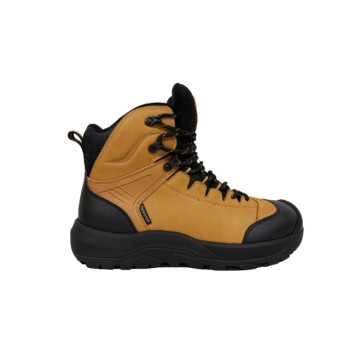
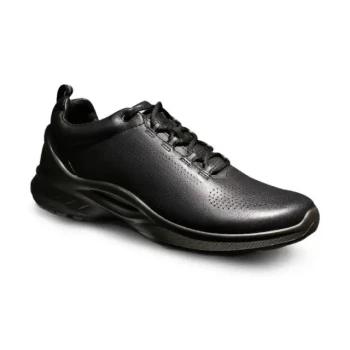
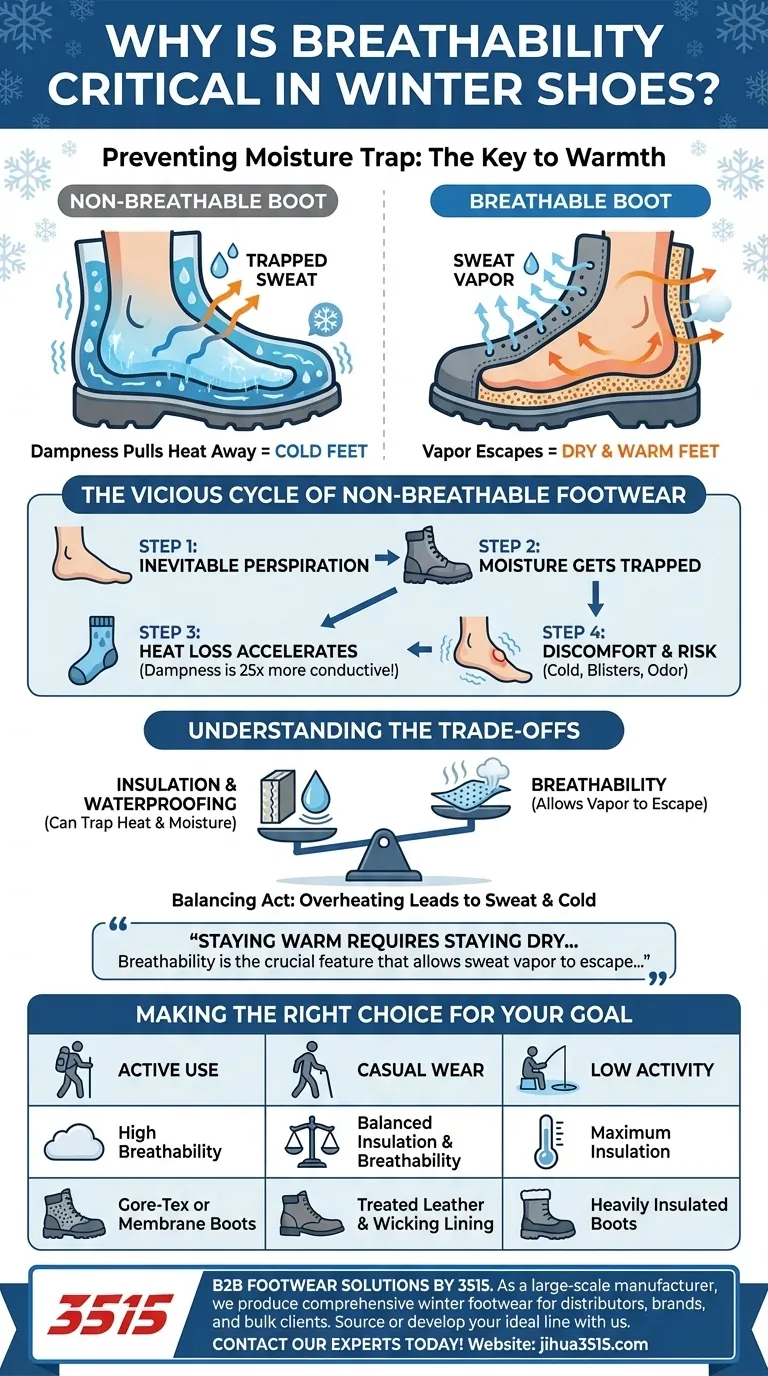
The primary reason breathability is important in winter shoes is to prevent moisture from your own sweat from getting trapped inside. This moisture buildup makes your socks and feet damp, which rapidly pulls heat away from your skin, leading to cold and uncomfortable feet even in well-insulated boots.
The core paradox of winter footwear is that staying warm requires staying dry, not just from external snow and slush, but from your own internal perspiration. Breathability is the crucial feature that allows sweat vapor to escape, directly preventing the dampness that leads to cold feet.
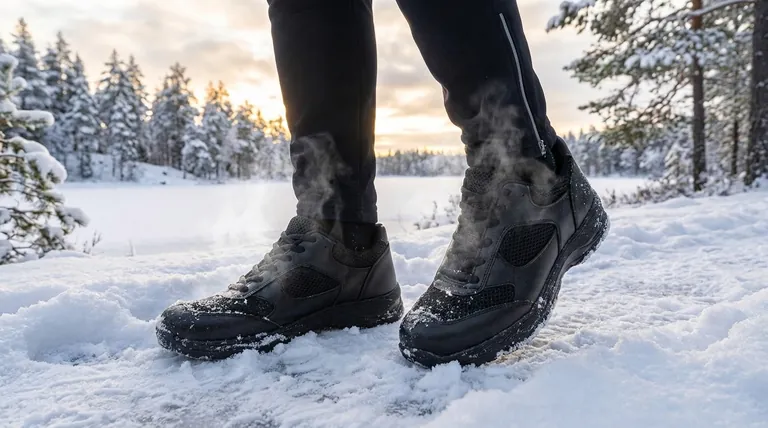
The Vicious Cycle of a Non-Breathable Boot
When you wear any shoe, your feet naturally sweat to regulate temperature. In winter, this process becomes a significant liability if your footwear isn't designed to manage the moisture.
Step 1: Inevitable Perspiration
Your feet have one of the highest concentrations of sweat glands on your body. Even during low-intensity activity, like walking through a store or sitting in a warm office, your feet will produce moisture. During more strenuous activity, like shoveling snow or hiking, this process accelerates significantly.
Step 2: Moisture Gets Trapped
Without a breathable membrane or material, the water vapor (sweat) has nowhere to go. It gets trapped by the boot's insulation and waterproof layers, condensing into liquid on your socks and the inside of your footwear.
Step 3: Heat Loss Accelerates
Water is an incredibly efficient conductor of heat—about 25 times more efficient than air. When your socks become damp, they stop being effective insulators. Instead, they actively and rapidly pull warmth away from your feet, creating a dangerous cooling effect. This is why you can have heavily insulated boots but still end up with painfully cold feet.
Step 4: The Result is Discomfort and Risk
The final outcome of this cycle is not just discomfort. Trapped moisture leads to that clammy, cold feeling, increases the risk of painful blisters due to friction, and creates an ideal environment for odor-causing bacteria and fungal growth.
Understanding the Trade-offs
Choosing the right winter boot involves balancing three critical, and sometimes competing, features. Understanding how they interact is key to making an informed decision.
Insulation vs. Breathability
Insulation works by trapping a layer of air, which is then warmed by your body heat. The more insulation (often measured in grams), the warmer the boot is in static conditions. However, heavy insulation can reduce breathability and cause your feet to overheat during activity, leading to more sweat and the cold-damp cycle described above.
Waterproofing vs. Breathability
Waterproofing is essential for keeping external moisture like snow, slush, and rain out. Historically, this meant creating an impermeable barrier (like a rubber boot) that was not breathable at all. Modern materials like Gore-Tex and similar proprietary membranes solve this by using pores that are too small for liquid water droplets to enter, but large enough for smaller water vapor molecules (sweat) to escape. This technology provides the best of both worlds but often comes at a higher price.
The Myth of "Warmest is Best"
Many people assume the boot with the highest insulation rating is automatically the best. This is only true if you plan to be largely stationary in extremely cold temperatures. For most people who are moving around, a moderately insulated but highly breathable boot is a far more effective and comfortable choice.
Making the Right Choice for Your Goal
Select your winter footwear based on your most common activity level, not just the coldest temperature you might face.
- If your primary focus is active use (hiking, snowshoeing, working outdoors): Prioritize superior breathability, even if it means slightly less insulation. A boot with a Gore-Tex membrane is an excellent choice.
- If your primary focus is casual wear and commuting (walking to the car, running errands): Seek a balance of moderate insulation and good breathability. Many boots with treated leather uppers and moisture-wicking linings fit this need.
- If your primary focus is low activity in extreme cold (ice fishing, spectating outdoor events): This is the one scenario where maximizing insulation is key, and breathability becomes a secondary concern.
Ultimately, a breathable winter boot works with your body's natural temperature regulation system, not against it.
Summary Table:
| Activity Level | Priority | Recommended Boot Type |
|---|---|---|
| Active Use (Hiking, Work) | High Breathability | Gore-Tex or similar membrane boots |
| Casual Wear (Commuting, Errands) | Balanced Insulation & Breathability | Treated leather uppers with moisture-wicking linings |
| Low Activity (Ice Fishing, Events) | Maximum Insulation | Heavily insulated boots |
Struggling to find the perfect balance of warmth and breathability for your customers?
As a large-scale manufacturer, 3515 produces a comprehensive range of winter footwear for distributors, brand owners, and bulk clients. Our production capabilities encompass all types of insulated and breathable shoes and boots, designed to prevent moisture buildup and keep feet comfortable in any condition.
Let us help you source or develop the ideal winter footwear line. Contact our experts today to discuss your specific needs!
Visual Guide
Related Products
- Premium Insulated Safety Boots and Shoes for Wholesale & Bulk Orders
- Wholesale Durable Camouflage Canvas Shoes with High-Traction Cleated Rubber Sole
- Durable Waterproof Rain Boots | Custom Manufacturer for Wholesale & Brands
- Factory Direct Wholesale Rain Boots Durable Waterproof & Fully Customizable
- Durable Rubber Sole Outdoor Shoes Wholesale & Custom Manufacturing
People Also Ask
- What are the recommended insulation ratings for mild winter conditions? A Guide for Active & Stationary Workers
- How does insulation thickness correlate with temperature ranges? A Guide to Choosing the Right Warmth
- What insulation level is needed for severe cold and stationary work? 1200g or Higher is Essential
- What safety advantages do insulated boots offer beyond warmth? Dielectric Protection & Superior Grip
- How does fleece lining contribute to the warmth of insulated boots? Trapping Air for Superior Cold Protection