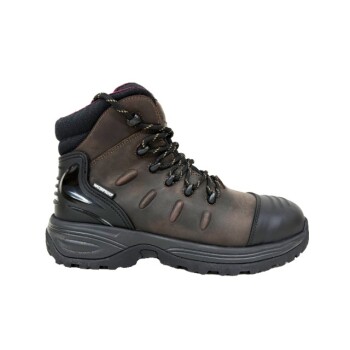
Professional foot protection is the critical barrier that validates the entire hygiene lock process in poultry farming. It ensures a physical and biological separation between the external "dirty" zone and the internal "clean" zone, functioning as the primary line of defense against epidemic outbreaks by mandating the use of specialized, chemically resistant footwear.
The hygiene lock is only as effective as the equipment used within it. Professional foot protection is essential because it replaces the variables of external footwear with internally managed, treated gear, securing the boundary between outside contaminants and your flock.
Securing the Biosecurity Perimeter
Defining the Clean and Dirty Zones
The core function of a hygiene lock is to divide a facility into distinct zones. This structure is designed to implement strict epidemic control.
Professional foot protection acts as the enforcement mechanism at this node. It dictates that no external materials touch the internal production floor.
The Primary Defense Line
Without specialized footwear, the hygiene lock is merely a hallway.
By enforcing a shoe change, you establish the reliability of the lock as your primary biosecurity defense line. This step stops pathogens at the door rather than mitigating them after entry.
Why Specialized Properties Matter
Resistance to Chemicals
Poultry farming environments rely on rigorous sanitation protocols involving strong disinfectants.
Professional footwear is specifically engineered to be chemical-resistant. Unlike standard work boots, these materials will not degrade, crack, or absorb hazardous fluids when treated repeatedly.
Designed for Sanitation
To maintain a sterile environment, footwear must not harbor bacteria.
Professional solutions possess easy-to-clean properties. Their surface textures and designs are intended to shed organic matter and allow for rapid, effective disinfection.
The Value of Internal Management
A key aspect of professional protection is that it is internally managed.
These shoes are dedicated solely to the facility. Because they never leave the clean zone, the risk of cross-contamination from the outside world is virtually eliminated.
Understanding the Trade-offs
Operational Discipline Required
While professional footwear provides superior protection, it creates a dependency on strict human compliance.
The best boots in the world are useless if staff bypass the "dirty" to "clean" transition protocols. The hardware must be paired with rigorous training.
Maintenance Considerations
Internally managed footwear requires its own support system.
You must account for the logistics of cleaning, drying, and storing this treated footwear within the facility to maintain its protective properties over time.
Optimizing Your Biosecurity Strategy
Implementing professional foot protection is not just about buying boots; it is about securing your investment.
- If your primary focus is maximum disease control: Prioritize an "internal management" system where footwear never leaves the facility, ensuring zero contact with external soil or biological matter.
- If your primary focus is operational efficiency: Select footwear with proven "easy-to-clean" designs to minimize the time staff spends on sanitation protocols without compromising safety.
By treating foot protection as a strategic asset rather than a basic accessory, you turn your hygiene lock into an impenetrable shield for your poultry operations.
Summary Table:
| Feature | Professional Foot Protection | Standard Footwear |
|---|---|---|
| Zone Separation | Enforces clean/dirty zone boundary | Risk of cross-contamination |
| Chemical Resistance | High (withstands disinfectants) | Low (prone to degradation) |
| Sanitation Design | Easy-to-clean, non-porous surfaces | Traps organic matter/bacteria |
| Management | Internally controlled & dedicated | External variables & unknown soil |
| Biosecurity Role | Primary defense against outbreaks | Weak link in the hygiene lock |
Secure Your Biosecurity with 3515 Footwear Solutions
In the high-stakes environment of poultry farming, your footwear is the first line of defense against epidemic outbreaks. 3515 provides specialized, high-performance footwear engineered to withstand rigorous chemical disinfection and strict hygiene protocols.
As a large-scale manufacturer serving distributors and brand owners, 3515 offers comprehensive production capabilities for all footwear types. Beyond our flagship Safety Shoes series, our portfolio includes chemical-resistant work boots, tactical boots, and training shoes designed to meet the most demanding bulk requirements.
Protect your investment and streamline your operations today. Contact us now to discuss how our manufacturing expertise can support your biosecurity strategy.
References
- Andrea Laconi, Alessandra Piccirillo. Stakeholders’ Perceptions of Biosecurity Implementation in Italian Poultry Farms. DOI: 10.3390/ani13203246
This article is also based on technical information from 3515 Knowledge Base .
Related Products
- Wholesale Durable Safety Boots | Custom Steel Toe & Puncture-Resistant Manufacturing
- Premium Flame-Retardant Waterproof Safety Boots and Shoes
- Premium Suede Sport Safety Shoes for Wholesale & Bulk Orders
- Heavy-Duty Waterproof Nubuck Safety Boots Safety Shoes for Bulk Supply
- Premium Oil Wax Leather Safety Boots for Bulk Purchase
People Also Ask
- What are the consequences of not wearing safety boots? Protect Your Finances and Career
- What are the risks of using ordinary rubber boots in forest clearing? Why professional safety boots are essential
- Why is proper storage important for safety boots? Preserve Protection and Extend Lifespan
- What materials are commonly used for outsoles in safety boots? A Guide to Durability, Grip, and Comfort
- What are the key features of safety boots? Essential Protection for Hazardous Workplaces