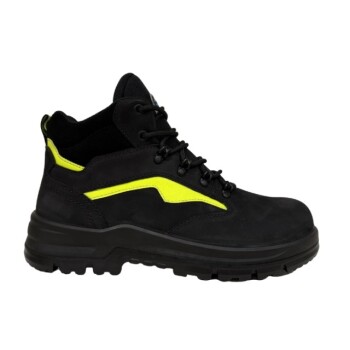
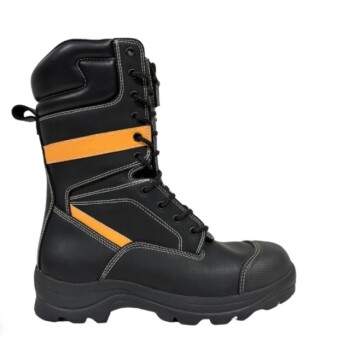
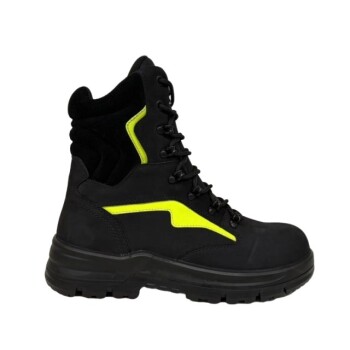
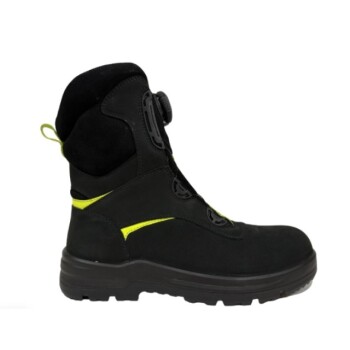
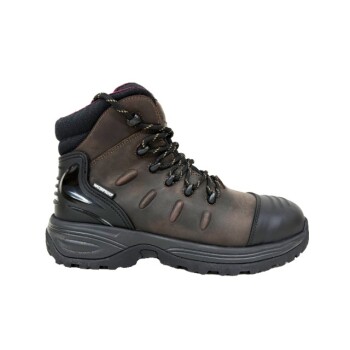
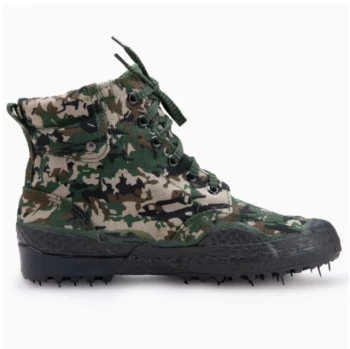
The importance of waterproof boots goes far beyond simply avoiding damp socks. They are a critical piece of equipment designed to maintain a stable, dry internal environment for your feet, which is the foundation of comfort, safety, and health during any activity in wet, muddy, or snowy conditions.
The core function of a waterproof boot is not just about blocking water; it's about preventing a cascade of negative consequences that begin the moment your feet get wet, ranging from blisters and infections to the dangerous onset of frostbite.
The Core Function: A Barrier Against Moisture
The primary role of waterproof footwear is to create an impassable barrier between your foot and the elements. This single function has profound effects on your well-being and performance.
Keeping Feet Dry
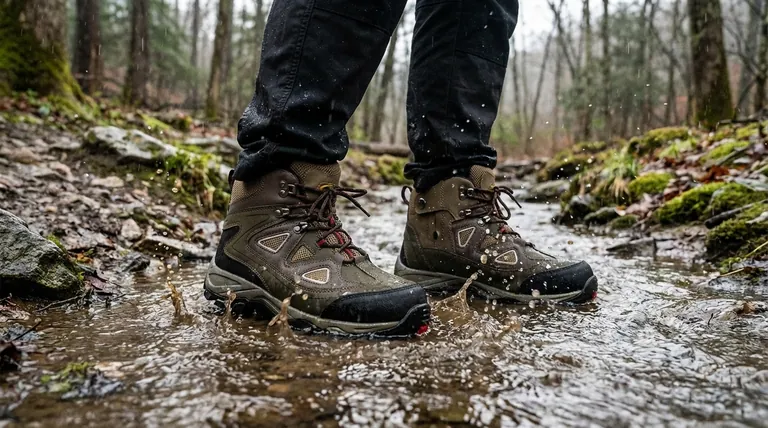
A boot's waterproofing system, often a combination of treated materials like leather or rubber, a waterproof membrane, and sealed seams, physically blocks water from entering. This is essential whether you're crossing a stream, navigating a muddy trail, or working in heavy rain.
The Critical Link Between Dryness and Warmth
Wet feet become cold feet much faster. Water conducts heat away from the body at a dramatically higher rate than air, meaning damp socks will rapidly sap your body's warmth, leading to discomfort and an increased risk of cold-related injuries. By keeping feet dry, waterproof boots are essential for thermal regulation.
Preventing a Cascade of Health Issues
Consistently damp skin is vulnerable. Wet feet are prone to blisters due to increased friction inside the boot. The warm, moist environment is also a perfect breeding ground for fungus, leading to conditions like athlete's foot. In cold weather, wet feet can lead to severe issues like frostbite.
Beyond Dryness: The Secondary Benefits
Because they are engineered for harsh environments, waterproof boots offer advantages that extend beyond moisture protection.
Enhanced Durability
The materials and construction methods required to make a boot waterproof often make it inherently more durable. Tough leathers, robust rubber shells, and reinforced seams are designed to withstand constant exposure to moisture and abrasion, leading to a longer lifespan for the footwear.
Protection in Varied Terrains
Waterproof boots provide a shield not just from water, but from the surrounding environment. They protect your feet from mud, snow, slush, and unseen hazards submerged in puddles or streams, ensuring you can move with confidence.
Versatility Across Activities
This combination of protection and durability makes waterproof boots highly versatile. They are equally suited for demanding activities like hiking, practical applications like construction work or gardening, and even casual wear in wet urban climates.
Understanding the Trade-offs
No piece of gear is perfect. As an advisor, it's my responsibility to highlight the potential downsides so you can make a fully informed decision.
The Breathability Challenge
The most significant trade-off is often breathability. A barrier that effectively blocks water from getting in can also make it harder for sweat vapor to get out. While high-end boots use advanced breathable membranes, less sophisticated designs can trap sweat, leading to dampness from the inside.
Weight and Stiffness
Waterproof construction typically adds weight and rigidity to a boot. The durable materials and extra layers can make the boot feel heavier and require a longer break-in period compared to lighter, non-waterproof alternatives.
Cost and Maintenance
Effective waterproofing technology is an investment. These boots often cost more upfront, and the waterproof treatments may need to be reapplied over time to maintain their effectiveness, adding a minor maintenance burden.
Making the Right Choice for Your Needs
The right boot depends entirely on its intended use. Use these guidelines to align your choice with your goal.
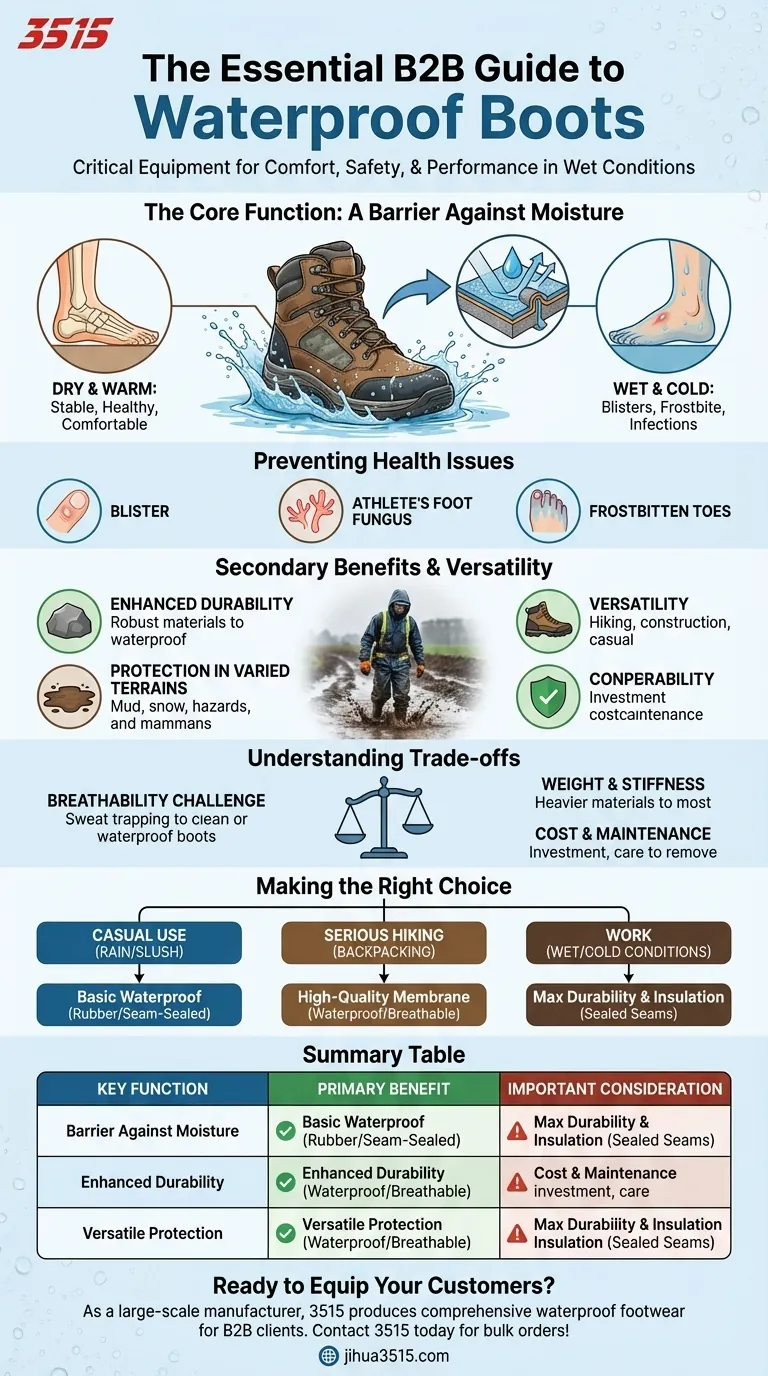
- If your primary focus is casual use in rain or slush: A basic waterproof boot made with rubber or seam-sealed leather will provide adequate protection and comfort.
- If your primary focus is serious hiking or backpacking: Prioritize a boot with a high-quality waterproof and breathable membrane to manage both external moisture and internal sweat.
- If your primary focus is working in consistently wet or cold conditions: Look for maximum durability, sealed seams, and consider models that also include insulation for added warmth.
Ultimately, choosing the right waterproof footwear is a direct investment in your ability to perform safely and comfortably in challenging conditions.
Summary Table:
| Key Function | Primary Benefit | Important Consideration |
|---|---|---|
| Barrier Against Moisture | Keeps feet dry and warm, preventing blisters and infections. | Breathability can be a trade-off, potentially trapping sweat. |
| Enhanced Durability | Built with robust materials (leather, rubber) for a longer lifespan. | Often results in heavier weight and increased stiffness. |
| Versatile Protection | Shields feet from mud, snow, and hazards across various activities. | Higher initial cost and potential need for maintenance. |
Ready to equip your customers with durable, high-performance waterproof boots?
As a large-scale manufacturer, 3515 produces a comprehensive range of footwear for distributors, brand owners, and bulk clients. Our production capabilities encompass all types of waterproof boots and shoes, designed for safety, comfort, and long-lasting wear in any condition.
Contact 3515 today to discuss your bulk order needs and discover how our expertise can benefit your business!
Visual Guide
Related Products
- Premium Wholesale Waterproof Safety Boots High Performance Protection for Industrial Markets
- High Performance Fire-Retardant Waterproof Safety Boots
- Wholesale Premium Waterproof Nubuck Safety Shoes Boots
- Premium Flame-Retardant Waterproof Safety Boots and Shoes
- Durable Waterproof Rain Boots | Custom Manufacturer for Wholesale & Brands
People Also Ask
- What weather and chemical protections do premium boots offer? Your Complete Guide to Safety & Performance
- Why are waterproof safety boots recommended for certain work environments? Essential Protection for Wet & Hazardous Jobs
- What are the primary protective functions of industrial safety boots in oil palm plantations? Master Rough Terrain Safety
- Why are oil-resistant and anti-slip properties critical for industrial safety boots? Expert Outsole Engineering Guide
- What are the best types of shoes for different gardening conditions? Find Your Perfect Match.