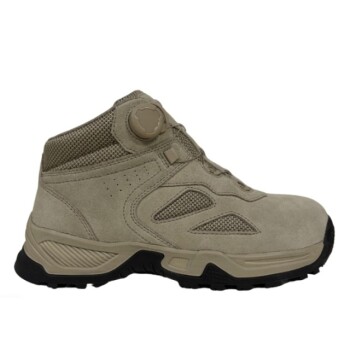
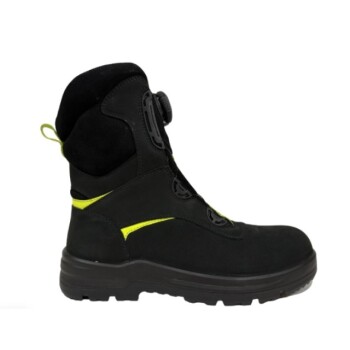
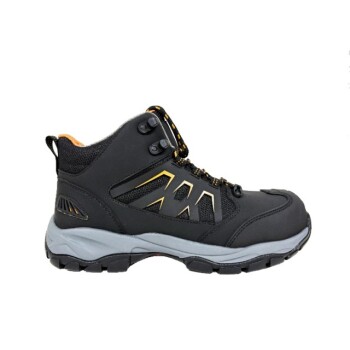
Lace-up safety boots are the superior choice for high-risk patients because they offer precise adjustability that pull-on styles cannot match. This capacity to customize the fit is the single most effective way to prevent the foot from sliding inside the boot, thereby eliminating the friction and mechanical stress that cause skin breakdown.
The structural fit of a lace-up boot does more than provide comfort; it serves as a protective barrier against trauma. By minimizing internal movement, these boots significantly reduce frictional heat and pressure, which are the primary drivers of foot ulcers in diabetic and high-risk patients.
The Critical Importance of Adjustability
Controlling Internal Movement
Pull-on boots, by design, require a wider ankle shaft and a more relaxed fit to allow the foot to slide inside.
Once the foot is inside, that extra space often remains. This lack of secure containment allows the foot to slide back and forth—often called "pistoning"—with every step.
Lace-up boots utilize a lacing system that allows the wearer to tighten the boot specifically around the instep and ankle. This locks the heel in place and ensures the boot moves with the foot, rather than the foot moving inside the boot.
The Danger of Frictional Heat
For patients with diabetes or neuropathy, the repetitive sliding found in looser footwear generates frictional heat.
This heat, combined with mechanical pressure, creates a hostile environment for the skin. Over the course of a workday, this micro-trauma can weaken the skin's integrity.
Lace-up boots minimize this risk by maintaining a static interface between the sock and the boot lining.
Prevention of Physical Trauma
High-risk feet are often unable to sense damage due to neuropathy. A loose pull-on boot can rub a blister raw without the wearer realizing it until it becomes a significant wound.
The structured fit of a lace-up boot reduces these pressure points. It ensures that the protective elements of the boot (like the toe cap) remain in the correct position relative to the foot.
Understanding the Trade-offs
Convenience vs. Clinical Safety
It is important to acknowledge why pull-on boots remain popular: they are exceptionally convenient.
For workers without foot complications, the ability to step in and out of boots quickly is a major advantage. Pull-ons are easier to maintain and often utilize stretchable materials for comfort.
The Cost of a "Relaxed Fit"
However, for high-risk patients, this convenience becomes a liability. The "relaxed fit" that makes a pull-on boot easy to wear is exactly what makes it dangerous for a fragile foot.
Furthermore, pull-on boots generally offer less ankle support than lace-up designs. For a patient with compromised stability, the lack of rigid ankle support increases the risk of trips and falls.
Making the Right Choice for Your Foot Health
When selecting safety footwear, you must weigh the convenience of the boot against the specific medical needs of your feet.
- If your primary focus is preventing foot ulcers and trauma: Prioritize lace-up boots to ensure a locked-in fit that minimizes dangerous friction and heat buildup.
- If your primary focus is convenience and you have no foot complications: A pull-on boot may be acceptable, provided you accept the trade-off of a looser fit and reduced ankle stability.
Secure the foot to save the skin; avoiding internal friction is the first line of defense against complications.
Summary Table:
| Feature | Lace-up Safety Boots | Pull-on Style Boots |
|---|---|---|
| Adjustability | Precise (Lacing system) | Limited (Fixed shaft) |
| Internal Movement | Minimal (Heel lock) | High (Pistoning/Sliding) |
| Skin Protection | High (Reduces friction/heat) | Low (Risk of blisters/ulcers) |
| Ankle Support | Superior Stability | Reduced Stability |
| Best Use Case | High-risk/Medical patients | Low-risk/General convenience |
As a large-scale manufacturer serving distributors and brand owners, 3515 offers comprehensive production capabilities for all footwear types, anchored by our flagship Safety Shoes series. We understand that for high-risk environments, precision and safety are non-negotiable. Whether you need specialized lace-up work boots or tactical footwear designed for maximum stability, our extensive portfolio—including outdoor shoes, training shoes, and formal dress shoes—is built to meet your diverse bulk requirements. Ensure your workforce or customers have the ultimate protection against foot complications. Contact us today to discuss how our manufacturing expertise can benefit your brand.
References
- Rita McMorrow, Jo‐Anne Manski‐Nankervis. Preventing diabetes-related foot ulcers through early detection of peripheral neuropathy. DOI: 10.31128/ajgp-06-22-6456
This article is also based on technical information from 3515 Knowledge Base .
Related Products
- Premium Wholesale Wheat Nubuck Safety Boot with Rapid Lacing System
- Premium Wholesale Tactical Style Safety Shoes Boots with Quick Lacing
- Durable Goodyear Welt Leather Work Boots for Wholesale & Private Label
- Advanced KPU Athletic Safety Shoe with Steel Toe Cap Anti-Slip Rotary Lacing System
- Wholesale Classic Leather Lace-Up Ankle Boots for Brand Manufacturing
People Also Ask
- Why are oil-resistant and anti-slip properties critical for industrial safety boots? Expert Outsole Engineering Guide
- What are the primary protective functions of industrial safety boots in oil palm plantations? Master Rough Terrain Safety
- How do industrial safety boots assist maintenance personnel working on high-level palm oil factory structures?
- What are the primary protective functions of industrial safety boots in granite quarry environments? Essential Guide
- Why are industrial safety boots with high-grip outsoles required for oil leaks and B3 waste? Ensure Worker Stability