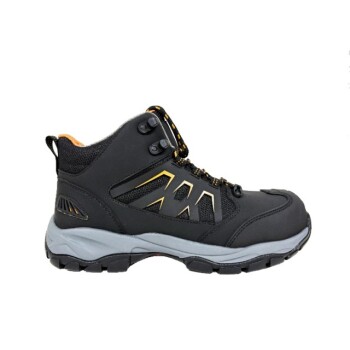
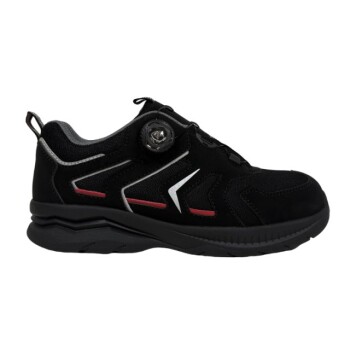
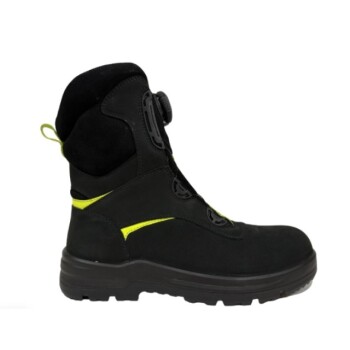
High-performance safety footwear acts as the foundational anchor of any PPE system. These specialized boots and shoes are considered essential because they establish a critical physical barrier against heavy impact, sharp punctures, and chemical corrosion. Furthermore, they secure the worker's physical stability on slippery or uneven terrain, directly preventing the falls that often compromise other safety measures.
Core Takeaway A PPE system is only as strong as its foundation. High-performance safety footwear does not merely protect the foot; it stabilizes the entire worker against environmental hazards, ensuring that physical mobility and traction are maintained even in high-risk industrial or medical scenarios.
The Role of the Physical Barrier
High-performance footwear is the first line of defense against direct physical aggression from the work environment. Without this barrier, the worker is vulnerable to immediate, incapacitating injury.
Deflecting Impact and Compression
Industrial environments are prone to falling heavy objects. Safety boots provide a hardened shell that absorbs and deflects impact energy. This prevents crushing injuries that would otherwise immobilize a worker.
Resisting Puncture and Abrasion
Sharp objects, such as nails, glass, or jagged metal, pose significant risks in construction and manufacturing. High-performance footwear utilizes materials specifically engineered to resist cuts and punctures. This armor allows personnel to navigate dangerous zones without the risk of penetrating foot wounds.
Isolating Chemical and Biological Hazards
In both industrial and medical settings, liquids pose a severe threat. Specialized footwear creates a sealed barrier against chemical corrosion and contaminated fluids. By preventing contact with spilled blood, medicinal fluids, or hazardous chemicals, the footwear controls exposure pathways effectively.
Ensuring Stability and Operational Integrity
Beyond impact protection, safety footwear is essential for maintaining control over the worker's environment. It mitigates risks caused by environmental defects.
Preventing Slips and Falls
Slips are a leading cause of occupational injury. Professional safety footwear significantly improves traction on slippery, wet, or uneven surfaces. By securing footing, these shoes reduce the likelihood of falls, which often result in secondary injuries to the head or spine.
Managing Fatigue and Mobility
High-intensity work shifts and long rounds require sustained physical exertion. Advanced footwear is designed to reduce foot fatigue. This ensures that personnel maintain the agility and mobility required for emergency operations, preventing accidents caused by exhaustion.
Understanding the Trade-offs
While essential, selecting high-performance footwear involves balancing conflicting needs. It is critical to match the footwear to the specific hazard profile.
Protection vs. Weight and Agility
Boots offering maximum impact and puncture resistance often come with increased weight. In scenarios requiring high speed or stealth, heavy industrial boots may induce fatigue faster. You must balance the level of armor against the need for rapid movement.
Specificity vs. Versatility
Footwear designed for chemical resistance often lacks the breathability or flexibility of construction boots. A boot optimized for a hospital setting (fluid isolation) may not meet the abrasion standards of a construction site. "All-purpose" boots often fail to provide adequate protection in specialized high-risk zones.
Making the Right Choice for Your Goal
To complete your PPE system effectively, you must align your footwear choice with your primary risk factors.
- If your primary focus is Heavy Industry or Construction: Prioritize boots with certified impact and puncture resistance to protect against falling objects and site debris.
- If your primary focus is Chemical or Medical Safety: Select footwear with high fluid resistance and seamless barriers to isolate against infection risks and corrosive spills.
- If your primary focus is Logistics or Maintenance: Focus on slip resistance and fatigue reduction to prevent falls on smooth floors during long shifts.
The correct safety footwear transforms a passive protection system into an active tool for risk management and operational stability.
Summary Table:
| Key Protective Feature | Primary Benefit | Target Hazard |
|---|---|---|
| Impact/Compression Resistance | Deflects energy from falling objects | Heavy machinery, construction sites |
| Puncture & Abrasion Resistance | Prevents penetrating foot wounds | Sharp debris, glass, nails |
| Chemical & Fluid Isolation | Creates a sealed barrier | Corrosive liquids, medical spills |
| Slip Resistance & Traction | Secures stability and mobility | Wet, oily, or uneven surfaces |
| Ergonomic Support | Reduces fatigue and exhaustion | Long shifts, high-intensity labor |
As a large-scale manufacturer serving distributors and brand owners, 3515 offers comprehensive production capabilities for all footwear types, anchored by our flagship Safety Shoes series. Our extensive portfolio covers work and tactical boots, outdoor shoes, training shoes, and sneakers, as well as Dress & Formal shoes to meet your diverse bulk requirements. Ensure your team’s safety with a foundation of durability and reliability—contact 3515 today to discuss your custom manufacturing needs!
References
- Gionatan Gallo, Carlo Vallati. A Smart System for Personal Protective Equipment Detection in Industrial Environments Based on Deep Learning at the Edge. DOI: 10.1109/access.2022.3215148
This article is also based on technical information from 3515 Knowledge Base .
Related Products
- Premium Wholesale Waterproof Safety Boots High Performance Protection for Industrial Markets
- Premium Wholesale Tactical Style Safety Shoes Boots with Quick Lacing
- Premium Grain Leather Safety Boots for Bulk Supply
- Wholesale Customizable Safety Boots Durable & Protective Footwear Manufacturing
- Wholesale Safety Footwear Manufacturer for Bulk & Custom OEM Orders
People Also Ask
- What weather and chemical protections do premium boots offer? Your Complete Guide to Safety & Performance
- Why are waterproof safety boots recommended for certain work environments? Essential Protection for Wet & Hazardous Jobs
- What are the primary protective functions of industrial safety boots in oil palm plantations? Master Rough Terrain Safety
- Why are oil-resistant and anti-slip properties critical for industrial safety boots? Expert Outsole Engineering Guide
- What are the best types of shoes for different gardening conditions? Find Your Perfect Match.