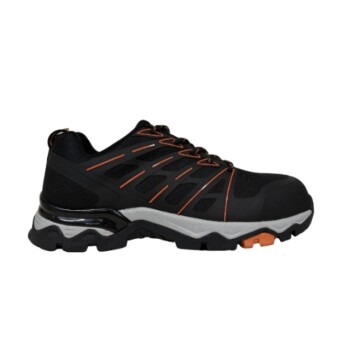
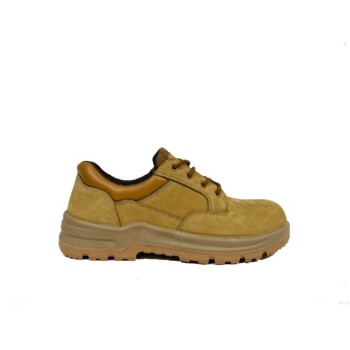
Force Sensing Resistor (FSR) sensors function as the definitive verification mechanism in smart safety footwear. Located in the pressure-bearing areas of the sole, these sensors detect the specific gravitational force of a human foot by measuring changes in electrical resistance, allowing safety systems to confirm that a worker is actively wearing the shoe rather than simply holding it or having it nearby.
By translating physical foot pressure into electrical signals, FSRs solve the critical problem of non-compliance. They ensure protective gear is not just present, but in use, directly mitigating risks from chemical exposure and physical trauma.
The Mechanics of Detection
Placement Strategy
FSRs are not placed randomly. They are strategically embedded in the pressure-bearing areas of the shoe's sole.
This placement ensures that the sensor captures the maximum force exerted by the user's body weight during standing or walking.
The Resistance Principle
The core technology relies on changes in electrical resistance.
When the shoe is empty, the resistance remains at a specific baseline. When a foot presses down, the gravity and weight alter this resistance, triggering a signal that confirms occupancy.
Distinguishing Usage States
The primary technical goal is binary classification: empty vs. worn.
Advanced sensing allows the system to differentiate between a shoe sitting on a shelf (or being carried) and one that is supporting a human being.
Why Compliance Matters
Preventing "Carry" Workarounds
In some industrial settings, workers may possess the gear but fail to wear it due to discomfort or negligence.
FSRs prevent the scenario where a worker enters a hazardous zone merely carrying their safety shoes. The system knows if the protection is not on the foot.
Real-Time Validation
This technology moves safety checks from manual inspections to automated, real-time verification.
Supervisors do not need to visually inspect every worker's feet; the sensors provide the data automatically.
Hazard Mitigation
Protection Against Chemical Corrosion
Industries involving cement or aggressive chemicals rely on the shoe acting as a barrier.
By ensuring the shoe is worn, the FSR guarantees that the worker's skin is shielded from corrosive substances that cause severe burns or dermatitis.
Defense Against Puncture Wounds
Construction environments are riddled with sharp objects like nails and scrap metal.
The sensor ensures the puncture-resistant sole is actually under the worker's foot, preventing debilitating injuries.
Understanding the Trade-offs
Mechanical Wear and Tear
Because FSRs are located in the sole, they are subjected to the same high-impact forces as the shoe itself.
Over time, constant compression can potentially degrade the sensor's accuracy or structural integrity, requiring periodic testing of the shoe's "smart" features.
Weight Distribution Variables
The system relies on "human foot gravity."
If a worker is sitting or leaning in a way that significantly reduces pressure on the sole, there is a potential for the system to momentarily misinterpret the shoe as "empty," depending on the sensitivity calibration.
Ensuring Effective Implementation
To maximize the benefits of FSR technology in your safety protocols, consider the following:
- If your primary focus is Compliance Assurance: prioritize shoes where sensors are mapped to high-pressure zones (heel and ball of foot) to prevent false negatives.
- If your primary focus is Hazard Defense: verify that the integration of the electronic sensor does not compromise the physical thickness or durability of the protective sole.
True safety is achieved not just by owning the equipment, but by guaranteeing it is used correctly every single time.
Summary Table:
| Feature | Function in Smart Safety Shoes | Primary Benefit |
|---|---|---|
| Placement | Pressure-bearing areas of the sole | Captures maximum force from body weight |
| Resistance Principle | Changes electrical resistance upon pressure | Distinguishes between empty and worn states |
| Detection Type | Binary classification (Empty vs. Worn) | Prevents manual inspection workarounds |
| Hazard Defense | Automated real-time verification | Protects against chemical and puncture risks |
Secure Your Workforce with Advanced Safety Footwear
As a large-scale manufacturer serving distributors and brand owners, 3515 offers comprehensive production capabilities for all footwear types, anchored by our flagship Safety Shoes series. Our extensive portfolio covers work and tactical boots, outdoor shoes, training shoes, and sneakers, as well as Dress & Formal shoes to meet diverse bulk requirements.
By integrating cutting-edge FSR technology, we help you eliminate non-compliance and ensure your team is always protected. Partner with us for reliable, high-volume manufacturing that prioritizes durability and innovation.
Contact 3515 Today to Discuss Your Bulk Requirements
References
- Gangishetty Arun Kumar, Ahmed Saeed AlGhamdi. Hybrid Architecture Based System for the Establishment of Sustainable Environment in a Construction Site with 433 MHz LoRa and 2.4 GHz Zigbee. DOI: 10.3390/su14106280
This article is also based on technical information from 3515 Knowledge Base .
Related Products
- Premium Suede Sport Safety Shoes for Wholesale & Bulk Orders
- Premium Lightweight Safety Shoes for Wholesale & Bulk Orders
- Wholesale Anti-Smash & Puncture-Proof Safety Shoes Custom Manufacturing for Brands
- Premium KPU Injection Athletic Style Safety Shoes
- Premium Safety Shoes with Rotating Buckle Safety Sneakers
People Also Ask
- What industries have specific OSHA footwear requirements? Ensure Compliance & Protect Your Workforce
- What are the primary functions of professional safety shoes? Maximize Safety in Water Supply Confined Spaces
- What role do specialized safety shoes play in preventing falls? Engineering Stability in Industrial Environments
- What are the technical advantages of integrating sensors into safety shoes? Achieve Superior Motion Capture Precision
- What are the main components of safety shoes? A Guide to Protective Footwear Design