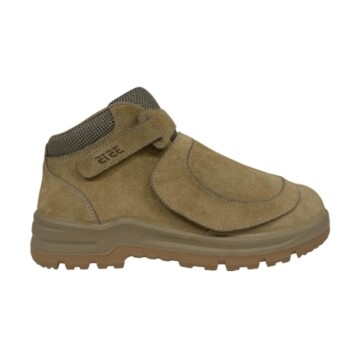
Foot protection equipment functions as a critical dual-layer defense system. In high-risk environments, its primary purpose is to act as a physical barrier that prevents the transmission of pathogens through ground-level contact and shields the wearer from liquid splashes. Simultaneously, in industrial settings, it provides mechanical armor against impact, punctures, and musculoskeletal injuries caused by unstable terrain.
Effective foot protection extends beyond personal safety; it is a vital component of environmental biosafety and operational stability. It secures the integrity of clean zones by preventing pathogen migration while ensuring worker mobility in hazardous physical conditions.
The Role of Footwear in Biosafety
In medical and biological contexts, the function of safety footwear and shoe covers is primarily rooted in containment and exclusion.
Creating a Pathogen Barrier
Foot protection serves as a physical wall against biological hazards. It effectively blocks the transmission of pathogens that accumulate on floor surfaces.
This equipment creates an immediate shield against liquid splashes, preventing potentially infectious fluids from contacting the wearer's skin or personal footwear.
Preventing Cross-Zone Migration
Perhaps the most critical function in biosafety is preventing the physical migration of contaminants. Pathogens can easily track from a "contaminated" zone to a "clean" zone via footwear.
By using dedicated safety footwear or covers, you ensure that these biological agents remain contained within their specific zones, maintaining the overall integrity of the environmental biosafety system.
Mechanical Defense in Industrial Environments
While medical gear focuses on invisible biological threats, industrial safety footwear addresses physical aggression and environmental instability.
Mitigation of Impact and Puncture
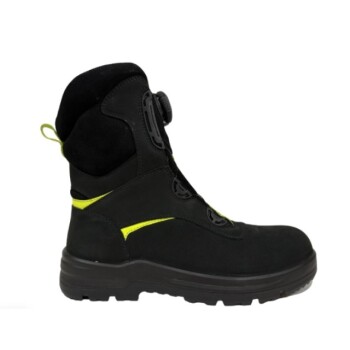
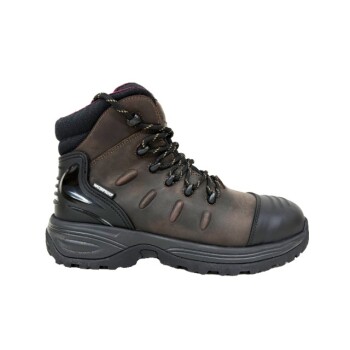
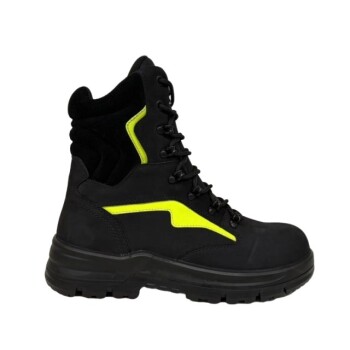
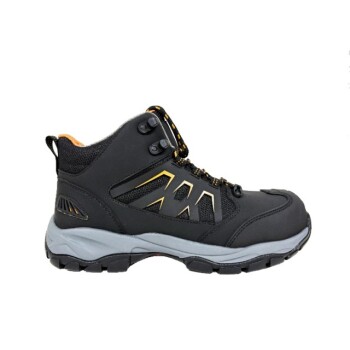
In environments such as mines or unstable geological zones, footwear must defend against direct mechanical trauma. Specialized tactical boots feature puncture resistance to guard the foot against sharp fragments and debris.
Additionally, these boots incorporate reinforced toe caps. This feature provides essential impact protection, shielding the toes from falling objects or crushing hazards common in heavy industry.
Stability and Musculoskeletal Support
Beyond armoring the foot, this equipment functions to stabilize the worker. High-traction outsoles are engineered to prevent slips and falls on slippery or uneven surfaces.
Furthermore, robust ankle support is integrated to prevent musculoskeletal injuries. This ensures workers remain protected against the mechanical strain of moving through unstable or rugged terrain.
Understanding the Trade-offs
Selecting the correct equipment requires balancing biological containment against physical durability.
The Limitation of Disposable Barriers
Shoe covers are excellent for preventing pathogen migration and are easily disposable between zones. However, they offer virtually no protection against mechanical hazards like punctures or impacts.
The Challenge of Decontamination
Heavy-duty safety boots offer superior physical protection and stability. However, without rigorous cleaning protocols, their complex treads and materials can trap debris, making them potential vectors for cross-contamination if moved between zones.
Making the Right Choice for Your Environment
To select the appropriate foot protection, you must prioritize the specific nature of the risk—biological transmission or physical injury.
- If your primary focus is Infection Control: Prioritize fluid-resistant barriers and shoe covers to stop pathogen migration between contaminated and clean zones.
- If your primary focus is Physical Safety: Prioritize boots with reinforced toes, puncture resistance, and ankle support to mitigate mechanical risks in unstable terrain.
Ultimately, the right equipment acts as an essential extension of your overall safety strategy, securing both the worker and the environment.
Summary Table:
| Function Category | Key Protection Feature | Primary Benefit |
|---|---|---|
| Biosafety | Pathogen Barrier & Fluid Resistance | Prevents infection from splashes and contaminated surfaces |
| Containment | Cross-Zone Migration Prevention | Maintains clean zone integrity by stopping contaminant tracking |
| Physical Safety | Impact & Puncture Resistance | Protects feet from falling objects, crushing, and sharp debris |
| Operational | Stability & Ankle Support | Reduces slips, falls, and musculoskeletal injuries on uneven terrain |
| Equipment Type | Disposable Covers vs. Safety Boots | Balances easy decontamination with heavy-duty physical durability |
Secure Your Workforce with Professional-Grade Foot Protection
As a large-scale manufacturer serving distributors and brand owners worldwide, 3515 offers comprehensive production capabilities for all footwear types to meet your specific safety requirements. Our flagship Safety Shoes series is engineered to provide the ultimate dual defense against both biological contaminants and physical hazards.
Whether you need robust tactical boots for industrial stability or specialized footwear for high-risk medical environments, our extensive portfolio—including work boots, outdoor shoes, training sneakers, and formal dress shoes—is built to scale with your bulk requirements. Partner with 3515 to enhance your operational safety and environmental biosafety today.
Contact Our Footwear Experts for Bulk Inquiries
References
- Dina Ali, Rehab El-Sokkary. Attitude and practices of personal protective equipment, telemedicine, and social distance among health care workers during COVID-19 pandemic: An international study. DOI: 10.21608/mid.2023.181062.1425
This article is also based on technical information from 3515 Knowledge Base .
Related Products
- Puncture-Resistant Velcro Safety Boots for Wholesale & Custom Manufacturing
- Wholesale Durable Safety Boots | Custom Steel Toe & Puncture-Resistant Manufacturing
- Premium Grain Leather Safety Boots for Bulk Supply
- Heavy-Duty Waterproof Nubuck Safety Boots Safety Shoes for Bulk Supply
- Premium High-Cut Waterproof Safety Boots Manufacturing & Wholesale Solutions
People Also Ask
- Why are industrial safety boots with steel toes necessary for machine operators? Essential Foot Protection for Safety
- What are the characteristics of steel toe safety boots? Maximum Protection, Key Trade-offs
- Is it true that steel toes can cause toes to get cut off? Debunking the Dangerous Myth
- What are the primary safety functions of safety boots with steel-toe designs? Essential Protection for Industry
- What do the symbols M, F, I, and C represent on safety toe boots? Decode ASTM F2413 for Maximum Protection