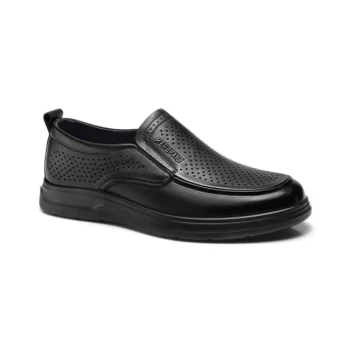
In river-based logistics, slip-resistant footwear serves as the critical mechanical interface between personnel and the powered vessels used for transport. Its primary technical role is to utilize specialized outsole compounds to generate superior traction on wet, metal boat decks. By effectively neutralizing the slip hazards inherent to high-moisture environments, this footwear prevents incapacitating falls, directly safeguarding crew members and ensuring the physical stability required to move goods across waterways.
Core Takeaway While often viewed merely as personal protective equipment (PPE), slip-resistant footwear functions as a fundamental operational asset in water transport. By maintaining personnel stability on slick surfaces, it prevents disruptions and supports the continuous operation of essential waterborne supply chains.
The Technical Function of Traction
Interaction with Metal Decks
River logistics rely heavily on powered vessels, which typically feature metal boat decks. When dry, these surfaces are stable, but they become perilous when exposed to river water and moisture.
The core technology in slip-resistant footwear lies in the specialized outsole compounds. These materials are engineered specifically to grip hard, non-porous surfaces like metal, maintaining friction even when a layer of water is present.
Countering High-Moisture Instability
The environment of river transport is defined by high-moisture conditions. Standard footwear often hydroplanes or loses grip in these scenarios.
Slip-resistant gear is designed to mitigate this instability. By ensuring a firm stance, the footwear allows personnel to focus on the complex task of navigating and transporting goods, rather than struggling to maintain their balance.
Logistics and Supply Chain Continuity
Preventing Operational Stoppages
The deep value of this footwear lies in its contribution to continuous operation. In a logistics chain, a slip or fall is not just a medical incident; it is an operational failure that halts the flow of goods.
By preventing these accidents, the footwear ensures that the supply chain remains unbroken. It allows the vessel and its crew to operate efficiently without the downtime associated with personnel injury.
Facilitating the Transport of Goods
The physical act of moving cargo requires leverage and stability. Personnel cannot safely lift, carry, or secure goods if their footing is compromised.
Slip-resistant footwear provides the necessary base of support. This stability is essential for the manual aspects of logistics, ensuring that essential supplies can be loaded and unloaded safely despite the movement of the vessel or the slickness of the deck.
Understanding the Trade-offs
Specificity of Design
A common pitfall is assuming that any durable boot is sufficient for river operations. The primary reference highlights that specialized outsole compounds are required.
Generic rugged footwear lacking these specific compounds may fail on wet metal decks. The trade-off here is specificity: general-purpose safety gear is often inadequate for the unique friction requirements of waterborne logistics, necessitating investment in purpose-built equipment.
Dependency on Surface Contact
While these compounds provide superior traction, they rely on contact with the deck. Extreme contamination (such as oil or heavy mud covering the metal) could theoretically interfere with the compound's ability to grip, though the primary function is designed to handle wet surfaces.
Making the Right Choice for Your Goal
To maximize safety and efficiency in river logistics, consider your primary operational objectives:
- If your primary focus is Personnel Safety: Prioritize footwear with specialized outsole compounds specifically rated for traction on wet, metal surfaces to prevent falls.
- If your primary focus is Operational Continuity: View footwear as a tool to prevent downtime; equipping the crew with proper traction ensures the continuous flow of goods without interruption from injury.
Ultimately, proper footwear converts a hazardous, slippery deck into a stable platform for essential logistics operations.
Summary Table:
| Feature | Technical Role in River Logistics | Operational Benefit |
|---|---|---|
| Outsole Compounds | Creates high-friction interface on wet metal | Prevents hydroplaning and slips |
| Traction Tech | Neutralizes high-moisture instability | Enables safe cargo handling and lifting |
| Stability Base | Provides a firm stance on powered vessels | Ensures continuous supply chain flow |
| Design Specificity | Engineered for non-porous surfaces | Replaces inadequate general-purpose gear |
Secure Your Supply Chain with 3515 High-Traction Footwear
In the demanding environment of river-based logistics, specialized equipment is the difference between seamless operation and costly downtime. 3515, a premier large-scale manufacturer, provides distributors and brand owners with high-performance footwear engineered for maximum stability.
Our flagship Safety Shoes series and tactical boots utilize advanced outsole compounds designed to conquer wet metal decks and high-moisture challenges. From rugged work boots to formal dress options, we offer comprehensive production capabilities to meet your bulk requirements and protect your personnel.
Ready to upgrade your fleet's safety? Contact us today to discuss your bulk manufacturing needs!
References
- Mochammad Wahyu Ghani, Anggi Afriansyah. Portrait of Child Labor in Small-Scale Oil Palm Plantations: Dillemma Between Education and Work.. DOI: 10.14203/jmi.v49i2.1262
This article is also based on technical information from 3515 Knowledge Base .
Related Products
- Premium Suede Sport Safety Shoes for Wholesale & Bulk Orders
- Heavy-Duty Waterproof Nubuck Safety Boots Safety Shoes for Bulk Supply
- Wholesale Durable 6-Inch Work Boots | Custom & Private Label Manufacturer
- Durable Leather Moc Toe Work Boots for Wholesale & Custom Manufacturing
- Durable Goodyear Welt Leather Work Boots for Wholesale & Private Label
People Also Ask
- What are the primary functions of professional safety shoes? Maximize Safety in Water Supply Confined Spaces
- What industries have specific OSHA footwear requirements? Ensure Compliance & Protect Your Workforce
- What role do specialized safety shoes play in preventing falls? Engineering Stability in Industrial Environments
- How do I choose the best safety shoes? Match Certified Features to Your Hazards
- How do gait analysis algorithms ensure accuracy in footwear? Master Step Length Precision for Boots & Sneakers