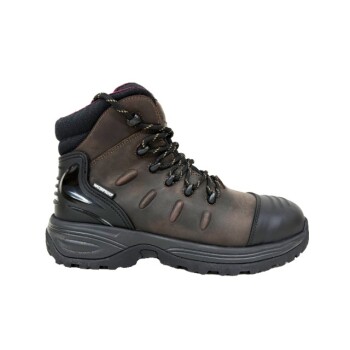
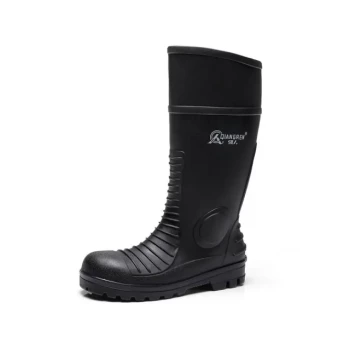
Industrial-grade Safety Footwear serves as a critical barrier against four primary categories of occupational hazards: physical, chemical, radiological, and mechanical. In high-stakes settings like laboratories or medical facilities, this equipment goes beyond basic durability to prevent injury from direct contact with harmful substances, sharp objects, and dangerous spills.
The core function of this footwear is to integrate multiple protective features—such as chemical shielding and anti-static properties—into a single unit, ensuring personnel safety while handling hazardous waste or working in complex laboratory conditions.
Defending Against Environmental Contaminants
Chemical Corrosion Resistance
High-risk environments frequently involve handling volatile compounds or hazardous waste. Safety footwear is engineered to resist degradation when exposed to corrosive chemicals.
This prevents acid burns or skin contamination that could occur if standard footwear materials were dissolved or permeated by a spill.
Radiological Protection
Unlike standard work boots, industrial-grade footwear for these specific sectors addresses radiological hazards.
This design provides a necessary shield for the feet and legs against potential exposure to radioactive materials found in nuclear medicine or specialized research labs.
Mitigating Physical and Mechanical Risks
Puncture and Impact Defense
Laboratories and medical centers contain sharp instruments and heavy equipment. Mechanical hazards are addressed through reinforced materials that resist punctures from stepping on sharps.
Additionally, the footwear structure protects against compression injuries or impacts from falling objects, ensuring structural integrity is maintained during accidents.
Slip Resistance
Spills are an inevitable risk in medical and chemical processing environments. Specialized treads are essential for maintaining traction on wet or slippery surfaces.
This feature is critical for preventing falls, which remains one of the most common workplace accidents.
Anti-Static Properties
In environments utilizing sensitive electronic equipment or flammable substances, static electricity is a significant threat.
Industrial safety footwear includes anti-static properties to dissipate electrical charges, preventing sparks that could ignite fumes or damage delicate instrumentation.
Understanding the Trade-offs
While comprehensive protection is vital, it often comes with functional trade-offs regarding weight and flexibility.
Heavier protection limits agility. Footwear designed to withstand chemical corrosion and mechanical impact may be heavier than standard shoes, potentially leading to fatigue during long shifts.
Furthermore, materials designed to be impermeable to chemicals often reduce breathability. It is essential to ensure the level of protection matches the specific intensity of the hazard to maintain worker comfort and compliance.
Making the Right Choice for Your Environment
To select the appropriate safety footwear, you must audit the specific primary risks of your facility.
- If your primary focus is Chemical Handling: Prioritize materials with certified corrosion resistance to prevent permeation by hazardous fluids.
- If your primary focus is Mechanical Safety: Ensure the footwear features high-rated puncture resistance and toe protection against falling equipment.
- If your primary focus is Sensitive Electronics: Mandate footwear with verified anti-static properties to prevent equipment damage or combustion risks.
True safety is achieved not just by wearing protection, but by matching the specific engineering of the gear to the unique hazards of your workspace.
Summary Table:
| Hazard Category | Protection Feature | Key Benefit in High-Risk Settings |
|---|---|---|
| Chemical | Corrosion Resistance | Prevents acid burns and material degradation from spills |
| Physical | Puncture & Impact Defense | Guards against sharp instruments and falling heavy equipment |
| Radiological | Specialized Shielding | Protects feet and legs from radioactive material exposure |
| Electrical | Anti-Static Properties | Dissipates charges to prevent sparks near sensitive electronics |
| Slip/Fall | Specialized High-Traction Treads | Ensures stability on wet or contaminated laboratory floors |
Secure Your Workforce with Industrial-Grade Protection
As a large-scale manufacturer serving distributors and brand owners, 3515 offers comprehensive production capabilities for all footwear types, anchored by our flagship Safety Shoes series. Whether you are supplying medical laboratories or heavy industrial sites, our extensive portfolio covers work and tactical boots, outdoor shoes, training shoes, and sneakers, as well as Dress & Formal shoes to meet your diverse bulk requirements.
Partner with 3515 to provide your customers with footwear engineered for the most demanding environments. Contact us today to discuss your manufacturing needs and explore our bulk distribution opportunities!
References
- Nathaniel Gyimah. Impact of Personal Protective Equipment in the Covid-19 Era: A Study of Health Workers in Ghana. DOI: 10.23880/aii-16000159
This article is also based on technical information from 3515 Knowledge Base .
Related Products
- Premium Wholesale Waterproof Safety Boots High Performance Protection for Industrial Markets
- Premium Waterproof High-Cut Industrial Safety Boots for Wholesale and Bulk Orders
- Puncture-Resistant Velcro Safety Boots for Wholesale & Custom Manufacturing
- Premium Wheat Nubuck Safety Shoes for Bulk Distribution
- Premium Wholesale Tactical Style Safety Shoes Boots with Quick Lacing
People Also Ask
- What weather and chemical protections do premium boots offer? Your Complete Guide to Safety & Performance
- Why are waterproof safety boots recommended for certain work environments? Essential Protection for Wet & Hazardous Jobs
- What are the primary protective functions of industrial safety boots in oil palm plantations? Master Rough Terrain Safety
- Why are oil-resistant and anti-slip properties critical for industrial safety boots? Expert Outsole Engineering Guide
- What are the best types of shoes for different gardening conditions? Find Your Perfect Match.